

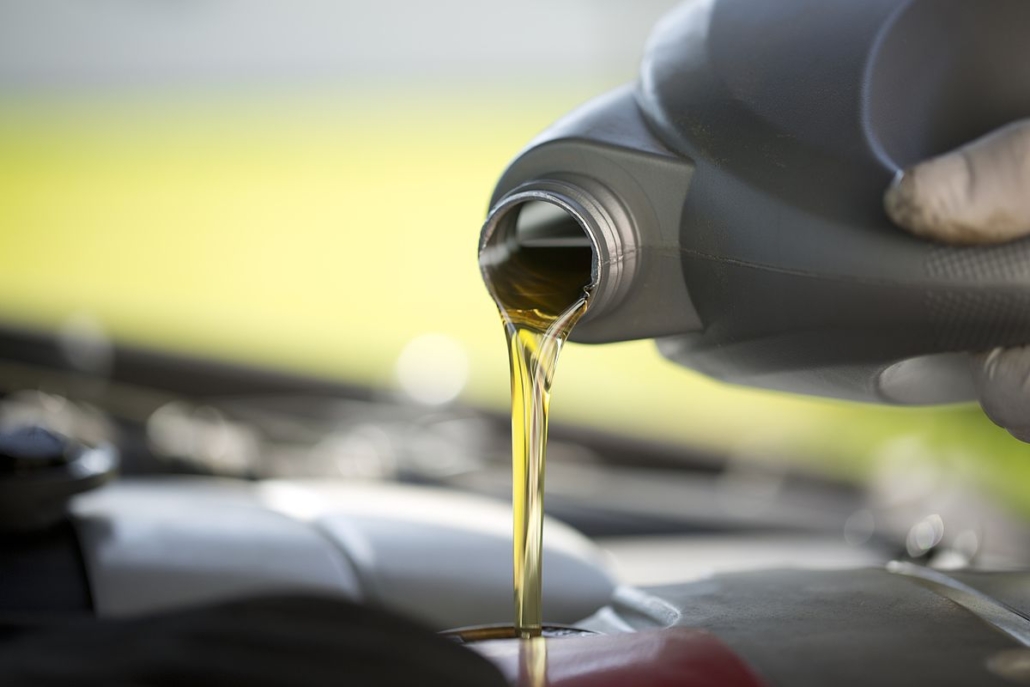
What Does Your Car’s Oil Actually Do?
Understanding the Lifeblood of Your Engine
When it comes to vehicle maintenance, oil changes might seem routine—but the truth is, engine oil is one of the most critical components in keeping your car running smoothly and reliably. Whether you’re driving a commuter car, a rugged truck, or a weekend cruiser, understanding what engine oil does (and why the grade matters) can go a long way in extending your vehicle’s life and performance.
What Does Engine Oil Actually Do?
Think of engine oil as your engine’s multi-tasking MVP. Here’s what it’s responsible for:
1. Lubrication

The primary job of engine oil is to reduce friction between the many fast-moving parts inside your engine. Without proper lubrication, components would grind together, generating heat, wearing out parts, and ultimately leading to engine failure.
2. Cooling

Your engine runs hot—really hot. While your cooling system handles most of the temperature control, engine oil helps absorb and dissipate some of that heat, especially from parts the coolant can’t reach
3. Cleaning
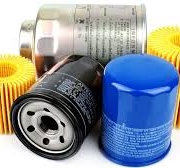
Oil picks up carbon deposits, dirt, and microscopic metal particles as it circulates through the engine. It carries these contaminants to the oil filter, keeping internal components cleaner and reducing long-term damage.
4. Sealing
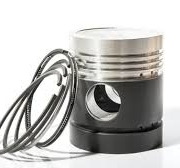
Oil helps form a seal between piston rings and cylinder walls, preventing combustion gases from escaping and maintaining compression—essential for good engine performance.
5. Corrosion Protection

Modern engine oils contain additives that help prevent rust and corrosion on internal engine components, especially during cold starts or infrequent driving.
What Do Oil Grades Mean?

You’ve probably seen labels like 5W-30 or 10W-40 on oil containers or heard your mechanic mention them. But what do those numbers mean?
The grade of oil refers to its viscosity, or how thick or thin it is at certain temperatures. The Society of Automotive Engineers (SAE) developed this grading system
Breaking Down an Example: 5W-30
The first number (5W) refers to how the oil flows in cold temperatures (“W” stands for “winter”). Lower numbers mean the oil stays thinner in cold weather, which helps your engine start more easily and get lubrication faster.
The second number (30) represents the oil’s viscosity at normal operating temperatures. Higher numbers mean the oil is thicker when hot, which can be beneficial for high-performance or heavy-duty engines.
Common Grades and When They’re Used:
5W-20 / 5W-30: Common in most modern gasoline engines. Good for fuel economy and cold-weather performance.
10W-30 / 10W-40: Slightly thicker, often used in older engines or warmer climates.
0W-20: Very thin at cold temps, great for newer vehicles designed for maximum efficiency.
15W-40 / 20W-50: Typically found in diesel engines or performance vehicles that run hotter or carry heavy loads.
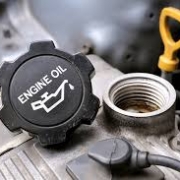
So… What Happens If You Use the Wrong Oil?
Using the wrong oil grade can lead to:
- Poor cold starts or increased engine wear
- Reduced fuel efficiency
- Increased oil consumption or leaks
- Potential engine damage over time
That’s why it’s always best to follow your vehicle manufacturer’s oil specifications—or talk to a trusted mechanic if you’re unsure.

Final Thoughts
Oil isn’t just “oil.” It’s a critical piece of your engine’s performance, longevity, and efficiency. Choosing the right oil grade and changing it on schedule ensures your vehicle runs its best—whether it’s -30°C in Edmonton or you’re hauling a trailer through the Rockies.
If you’re due for an oil change or have questions about which oil is best for your ride, Those Guys Garage has your back. Our experienced techs can help you choose the right oil and keep your engine humming like it should.
📆 Book your next oil change today and keep your vehicle in top shape!


