

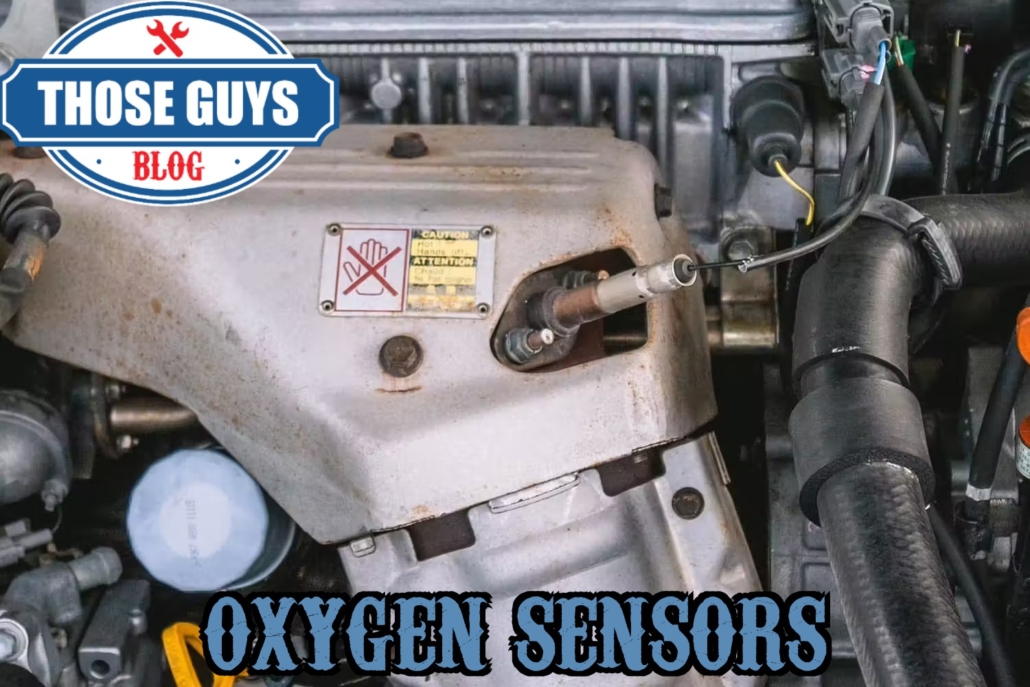
The Role of Oxygen Sensors
The Role of Oxygen Sensors in Fuel Efficiency and Emissions
In the intricate ecosystem of modern vehicles, few components punch above their weight like the humble oxygen sensor. Often overlooked by the average driver, this small but critical device plays a massive role in how efficiently your car runs and how cleanly it burns fuel. As environmental regulations tighten and fuel costs climb, understanding the oxygen sensor’s function is more relevant than ever.
What Is an Oxygen Sensor?
An oxygen sensor, often referred to as an O2 sensor, is a device that measures the amount of oxygen in your car’s exhaust gases. It’s located in the exhaust manifold or along the exhaust pipe and sends real-time data to the vehicle’s Engine Control Unit (ECU).
Most modern vehicles have multiple oxygen sensors—at least one before the catalytic converter (upstream) and one after (downstream). These sensors help the ECU maintain the optimal air-fuel ratio for combustion.
How It Works
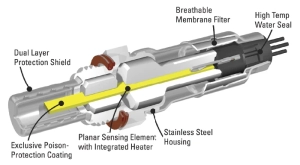
The ideal air-fuel mixture for gasoline engines is known as the stoichiometric ratio—14.7 parts air to 1 part fuel. The oxygen sensor detects whether the mixture is too rich (more fuel than air) or too lean (more air than fuel) and sends that data to the ECU.
Using this feedback, the ECU adjusts the amount of fuel injected into the engine. This continuous feedback loop is part of a system called “closed-loop operation,” which ensures the engine runs as efficiently and cleanly as possible.

Fuel Efficiency: The Economic Advantage
One of the oxygen sensor’s primary roles is helping your engine use fuel more efficiently. When the air-fuel mixture is too rich, your car consumes more fuel than necessary. When it’s too lean, performance suffers and the engine could be damaged over time.
By ensuring that the air-fuel mixture is balanced, oxygen sensors help maximize combustion efficiency, which translates directly into better fuel economy. A faulty oxygen sensor can cause fuel consumption to spike by up to 20%, which adds up quickly at the gas pump.

Emissions Control: Protecting the Environment
Oxygen sensors are also key players in reducing vehicle emissions. By keeping the combustion process in check, they help lower the production of harmful pollutants such as carbon monoxide (CO), hydrocarbons (HC), and nitrogen oxides (NOx).
In vehicles with catalytic converters, downstream O2 sensors monitor the converter’s efficiency. If the catalytic converter isn’t reducing emissions as it should, the oxygen sensor will alert the ECU, which can trigger a check engine light and prompt a diagnostic trouble code.
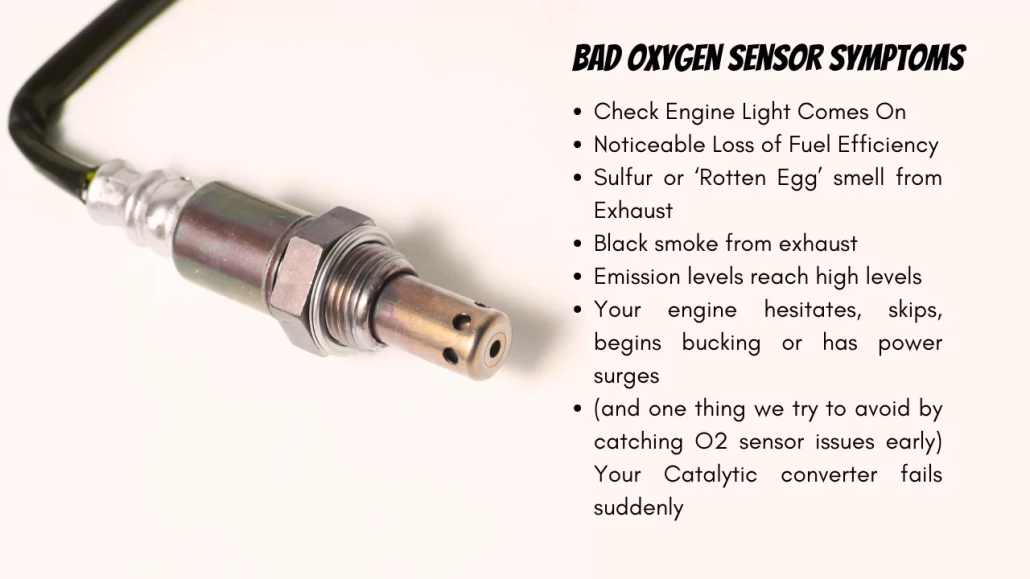
Signs of a Faulty Oxygen Sensor
A failing oxygen sensor can wreak havoc on your vehicle’s performance. Here are a few telltale signs:
- Check engine light is on
- Decreased fuel economy
- Rough engine idle or misfires
- Increased emissions (failed emissions test)
- Poor acceleration
If you notice any of these symptoms, it’s wise to get your vehicle checked out promptly.

Maintenance Tips
- Follow manufacturer recommendations: Many automakers suggest replacing oxygen sensors every 60,000 to 100,000 miles.
- Use high-quality fuel: Poor fuel quality can shorten sensor life.
- Address engine issues early: Misfires, oil leaks, or coolant leaks can contaminate the sensor.

Conclusion
The oxygen sensor may be small, but its impact on your vehicle’s performance, fuel economy, and environmental footprint is anything but minor. Regular maintenance and prompt attention to sensor issues can save you money and keep your car running cleaner and smoother. So next time your check engine light comes on, don’t overlook the O2 sensor—it just might be the key to getting your car back in top form.


