

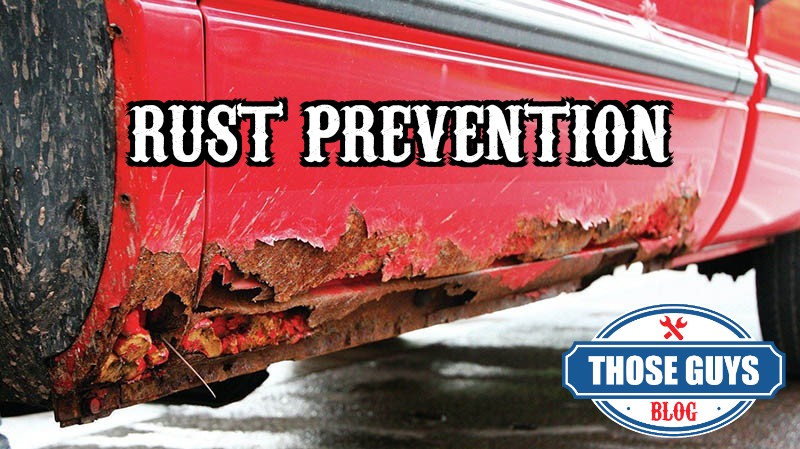
Rust Prevention Strategies
Keeping Your Car’s Body Intact
Rust might be nature’s way of reclaiming metal, but for car owners, it’s an expensive, unsightly, and damaging problem. Whether you’re driving through salted winter roads or living in a humid coastal climate, rust can creep in and compromise your car’s appearance and structure. The good news? With the right strategies, you can prevent rust and protect your vehicle for years to come.

1. Wash Your Car Regularly (Especially in Winter)
Salt, grime, and moisture are rust’s best friends. Washing your car regularly, particularly the undercarriage, helps remove corrosive materials that cling to your vehicle.
Tip: In winter, aim to wash your car every 1–2 weeks, especially after snowstorms or driving on salted roads.

2. Don’t Forget the Undercarriage
The underside of your car is most vulnerable to rust—yet often overlooked. Make sure any professional car wash includes an undercarriage rinse. If you’re DIY-ing it, invest in a pressure washer with an angled attachment.
3. Apply Rust-Proofing Treatments
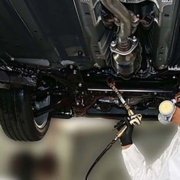
Rust-proofing sprays and undercoating treatments create a barrier that repels moisture and salt. These can be applied professionally or purchased as DIY kits.
Common types:
- Oil-based sprays: Penetrate seams and joints.
- Rubberized undercoating: Offers tough protection, ideal for exposed underbodies.
4. Inspect Drain Holes and Seals
Drain holes are found in doors, rockers, and trunk areas to let moisture escape. If these clog up, water can pool and promote rust.
What to do:
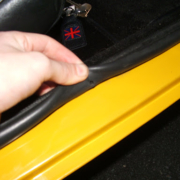
Use compressed air or a soft brush to clear debris. Also check rubber seals around windows and doors to prevent leaks.
5. Keep an Eye Out for Paint Chips and Scratches
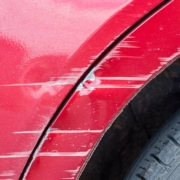
Chipped paint exposes bare metal, which can quickly rust—especially in wet conditions.
Fix it fast:
Use touch-up paint to seal small chips and scratches before they spread. Many kits are vehicle-specific and easy to apply at home.
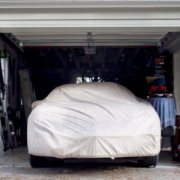
6. Store It Right
Parking indoors, especially in a dry, climate-controlled garage, significantly reduces rust risks.
Bonus tip:
Avoid leaving your car in a damp garage with snow or ice on it—dry off your vehicle before storing it to avoid rust-forming condensation.
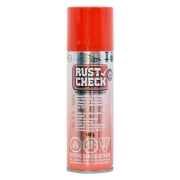
7. Use Rust Inhibitors During Maintenance
Many vehicle owners overlook preventative rust sprays during routine maintenance. Apply rust inhibitors in wheel wells, suspension components, and exposed bolts during oil changes or inspections.

8. Regular Inspections Are Key
Rust often starts small and hidden—behind wheel wells, under trim, or in door seams. Regularly inspect your vehicle for any bubbling paint or reddish-brown spots.
Don’t Let Rust Win
Rust doesn’t have to be inevitable. With consistent care and the right preventive measures, you can maintain your car’s structural integrity and resale value.

