

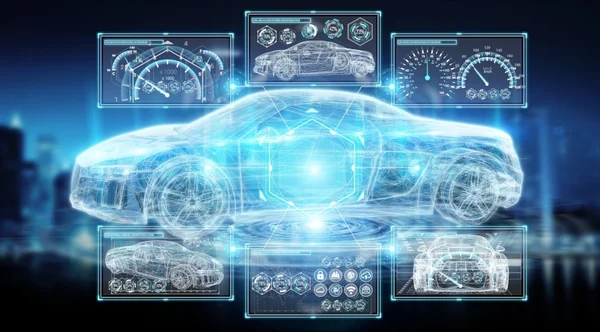
Smart Cars: What You Need to Know
The world of automotive technology has shifted gears in recent years, and “smart cars” are leading the way. Whether you drive a vehicle with advanced driver-assist features, built-in connectivity, or fully integrated infotainment systems, smart cars are changing the way we interact with the road. But with these advancements comes a new responsibility—caring for the technology inside your vehicle.
In this blog, we’ll break down what makes a car “smart” and highlight some of the special care these vehicles require, including on-boarding diagnostics, software updates, and sensor calibrations.
What is a Smart Car?
When we say “smart car,” we’re not just talking about compact city vehicles like the brand Smart. We’re talking about any vehicle equipped with advanced technology that relies on computer systems, sensors, and connectivity to operate safely and efficiently.
Examples of smart car features include:
Advanced Driver Assistance Systems (ADAS):
lane-keeping assist, adaptive cruise control, blind-spot monitoring.
Connectivity:
integration with smartphones, navigation apps, and over-the-air updates.
On-board computers:
systems that track everything from fuel efficiency to maintenance schedules.
In short, smart cars are vehicles where technology plays just as big a role as the engine under the hood.
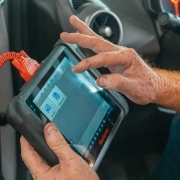
On-Boarding Diagnostics: The New “Check-Up”
Traditional vehicles rely on basic error codes when a problem arises. Smart cars, however, use on-boarding diagnostics (OBD) that provide a much deeper look into the health of your vehicle.
More Data:
Instead of a simple “check engine” light, the system can track hundreds of potential issues.
Precision:
Diagnostics can identify specific components or systems in need of attention.
Integration:
Mechanics now use specialized tools and software to communicate directly with your car’s computer systems.
Routine check-ups aren’t just about oil and brakes anymore—they’re about ensuring your vehicle’s “digital brain” is functioning properly.
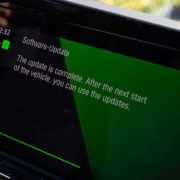
Software Updates: Keeping Your Car Current
Just like your smartphone or laptop, smart cars need software updates to stay safe and effective.
Security:
Updates help protect against potential cyber threats.
Performance:
New updates can improve fuel efficiency, adjust driving modes, or enhance battery life in hybrid/electric vehicles.
Features:
Some automakers add new capabilities—like improved navigation systems or voice assistants—through updates.
Many updates can now be performed over the air (OTA), meaning they’re sent wirelessly to your vehicle. In some cases, however, your vehicle may need to visit the shop for larger, more complex updates.
Sensor Calibrations: Eyes and Ears of the Vehicle
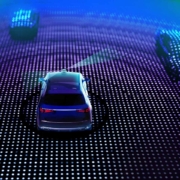
Smart cars rely on sensors for nearly everything—cameras for lane assist, radar for adaptive cruise, and ultrasonic sensors for parking assistance.
Why Calibration Matters:
After windshield replacements, bumper repairs, or suspension adjustments, sensors can be knocked out of alignment.
Safety First:
A misaligned camera or radar sensor could mean your lane-keeping assist or automatic emergency braking doesn’t work correctly.
Professional Tools:
Sensor calibration requires precision equipment and a controlled environment—something that can’t be done in your driveway.
Regular calibration checks ensure your vehicle’s safety systems are working exactly as designed.

Final Thoughts
Smart cars are revolutionizing the way we drive, offering safety, convenience, and efficiency like never before. But this technology also means these vehicles require a new level of care.
Diagnostics keep your systems healthy.
Software updates keep your vehicle current and secure.
Sensor calibrations keep your safety features reliable.
If you own a smart car, think of it as a rolling computer with wheels. Regular maintenance isn’t just about the mechanical side anymore—it’s about keeping the technology finely tuned as well.


