

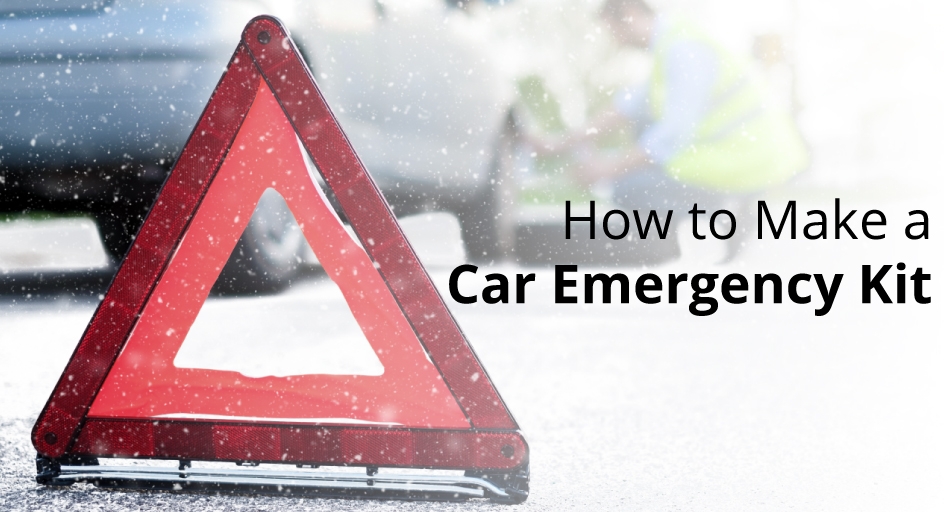
Essential Emergency Car Kit Items:

Be Prepared for Any Situation
When it comes to driving, safety should always be your top priority—especially when the unexpected happens. Whether you’re commuting across town or heading out on a long road trip, having a well-stocked emergency car kit can be the difference between a minor inconvenience and a major disaster. Here’s a comprehensive guide to the essential items you should always keep in your vehicle to stay prepared for any situation.
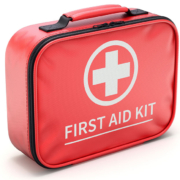
1. First Aid Kit
Injuries can happen anywhere, especially on the road. A basic first aid kit should include:
Adhesive bandages (various sizes)
Antiseptic wipes and ointment
Gauze pads and adhesive tape
Tweezers and scissors
Pain relievers
Emergency blanket
CPR face shield
This kit can handle everything from minor scrapes to stabilizing injuries until help arrives.
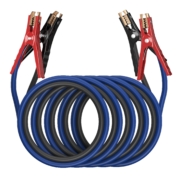
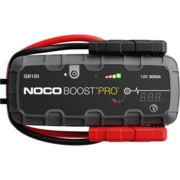
2. Jumper Cables or Jump Starter
Dead batteries are one of the most common roadside issues. Jumper cables are essential if you rely on help from another vehicle. For added independence, consider a portable jump starter with built-in safety features and USB charging capabilities.
3. Flashlight and Extra Batteries
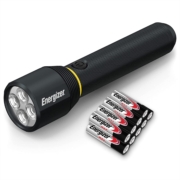
If you break down at night, a flashlight becomes a vital tool. Choose a durable LED flashlight and pack extra batteries—or go with a rechargeable version that can double as a power bank.
4. Tire Repair Tools / Portable Air Compressor
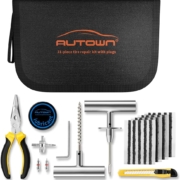
A flat tire is inconvenient but manageable with the right tools:
Tire inflator/sealant
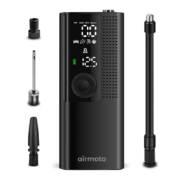
Portable air compressor
Lug wrench
Tire pressure gauge
Spare tire in good condition
Familiarize yourself with how to use these tools before an emergency strikes.
5. Basic Toolkit
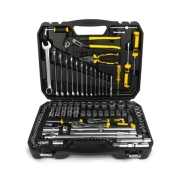
A compact tool kit can help with minor repairs. Include:
Screwdrivers (flathead and Phillips)
Pliers and wrench
Duct tape
Zip ties
Multi-tool
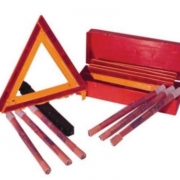
6. Reflective Triangles and Road Flares
These items alert oncoming traffic if you’re stranded on the side of the road, especially at night or in poor visibility conditions. They greatly enhance your safety by reducing the risk of a secondary accident.

7. Blanket, Gloves, and Warm Clothing
If you get stuck in cold weather, staying warm is crucial. Keep a thermal blanket, insulated gloves, and a hat or extra clothing layer in your kit—especially during winter months.
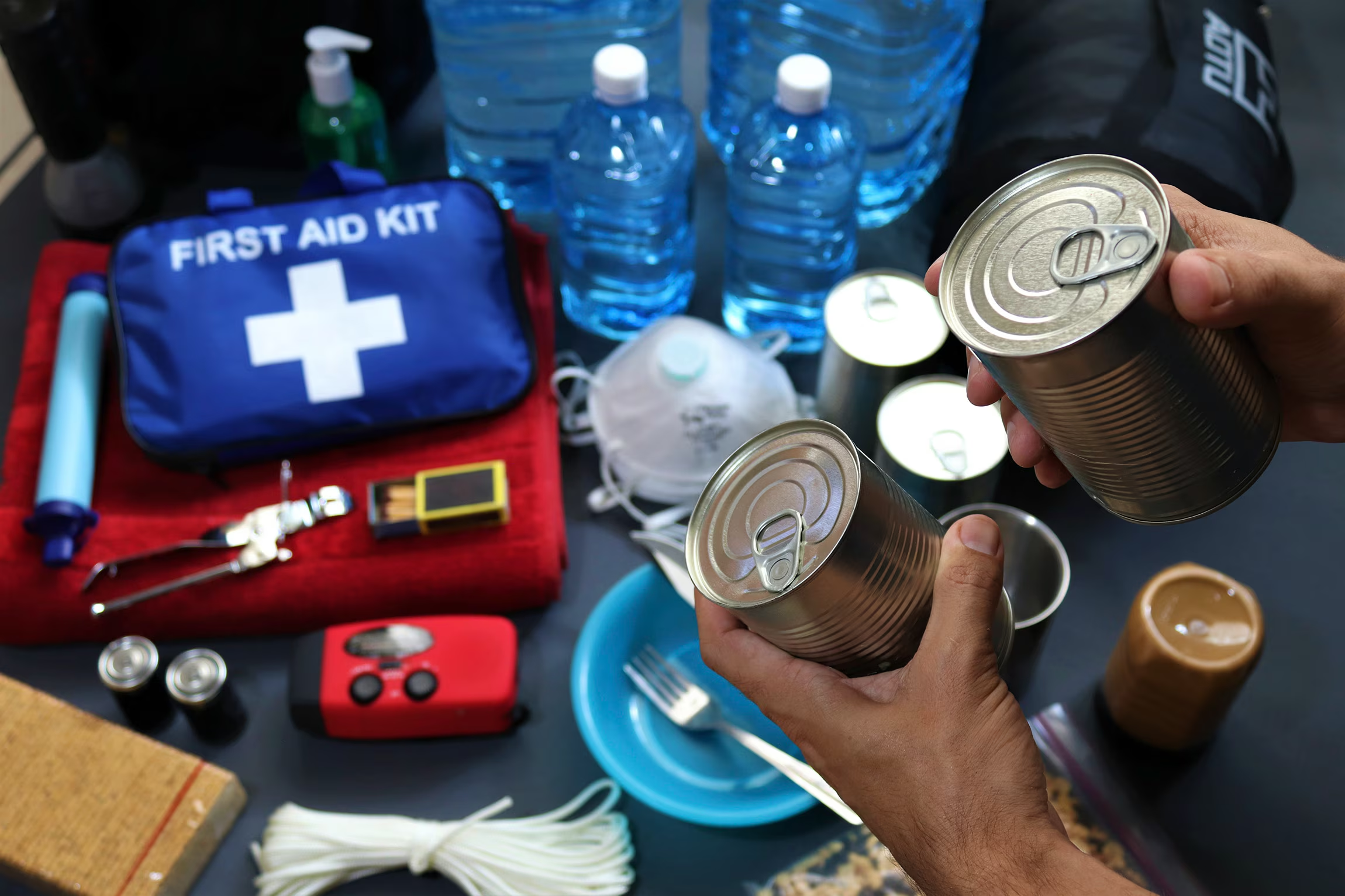
8. Non-Perishable Food and Water
Keep bottled water and high-energy snacks like granola bars, trail mix, or energy bars in your vehicle. This can be a literal lifesaver if you’re stuck for an extended period of time.
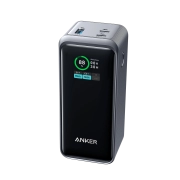
9. Phone Charger or Power Bank
Your smartphone is a vital lifeline in an emergency. Keep a car charger or portable power bank on hand to ensure you can always make a call, check a map, or access emergency services.
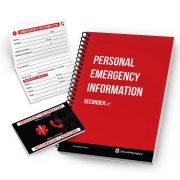
10. Important Documents and Emergency Contacts
Include copies of your vehicle registration, insurance information, and a list of emergency contacts. A written list is especially useful if your phone is dead or lost.
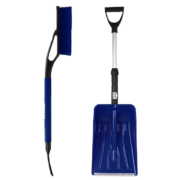
11. Ice Scraper and Shovel (Seasonal)
In colder climates, include an ice scraper, snow brush, and a compact shovel to deal with snow or ice build-up and help free your vehicle if you’re stuck.
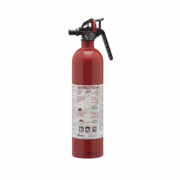
12. Multi-Purpose Fire Extinguisher
Small car-friendly extinguishers can put out electrical or engine fires before they become catastrophic. Be sure it’s rated for automotive use.
Be Proactive, Stay Safe
An emergency car kit isn’t just for doomsday scenarios—it’s a smart, proactive measure that can save time, money, and even lives. Tailor your kit based on your location, climate, and how often you travel. Check it periodically to replace expired items and recharge batteries.
Drive smart. Stay prepared. Your future self will thank you.


