


Understanding DEF

Why It’s Essential for Your Diesel and How Winter Can Cause Problems
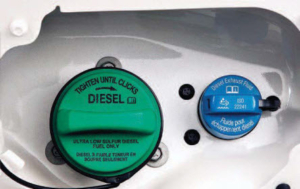
If you drive a diesel vehicle, chances are you’ve seen that blue cap beside your fuel filler — that’s for DEF, or Diesel Exhaust Fluid. It might not seem like much, but this simple fluid plays a huge role in keeping your vehicle running clean, efficient, and compliant with emissions standards.
At Those Guys Garage, we often see drivers run into DEF-related problems, especially during the cold Canadian winters. So, let’s break down what DEF does, why it’s important, and how to avoid common cold-weather issues.
What Is Diesel Exhaust Fluid (DEF)?
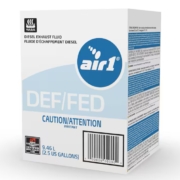
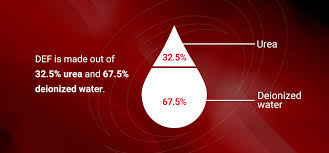
DEF is a mixture of 67.5% deionized water and 32.5% urea — a compound that helps convert harmful nitrogen oxide (NOx) emissions into harmless nitrogen and water vapor.
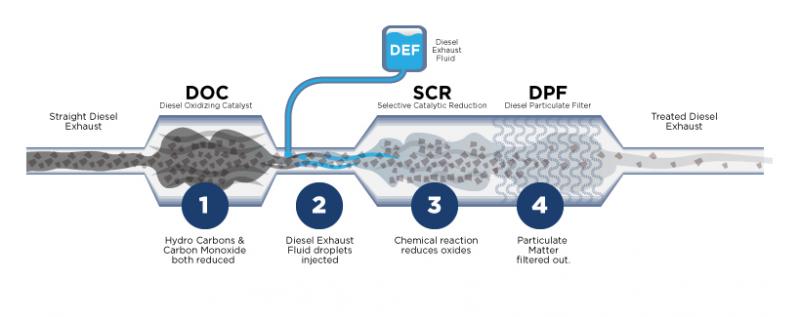
It’s used in trucks equipped with Selective Catalytic Reduction (SCR) systems, a key part of modern diesel emissions control. When your truck injects DEF into the exhaust stream, it reacts with the NOx gases, reducing pollution and helping your vehicle meet environmental standards.
Without DEF, your truck can’t properly control emissions — and most diesel vehicles will go into limp mode or refuse to start if the DEF tank runs empty.
Why DEF Is So Important
Keeps Your Diesel Truck Compliant
It ensures your engine meets strict emission standards, avoiding fines or performance restrictions.
Protects the Environment
DEF significantly reduces NOx emissions, which contribute to smog and air pollution.
Maintain Engine Performance
A properly functioning SCR system helps your diesel run more smoothly and efficiently.
Prevents Costly Repairs
Running with contaminated or low-quality DEF can damage sensors, pumps, and injectors – repairs that aren’t cheap.

How Cold Weather Affects DEF
Here in Alberta, our winters bring freezing temperatures that can cause issues with DEF systems if you are not prepared.
DEF Freezing Point
DEF begins to freeze at -11°C (12°F). Since it’s mostly water, this is completely normal. Most modern diesel trucks have built-in DEF tank heaters that thaw the fluid once the engine is running. However, problems can still occur if the fluid freezes solid or if you’re using older equipment that doesn’t have a heated DEF system.
Crystallization
When DEF gets too cold or when the system isn’t sealed properly, it can crystallize — forming white deposits that clog injectors and lines. These crystals can also form around the filler cap, making it tough to close properly.
Contamination Risk
During winter, condensation or dirt can easily contaminate your DEF if it’s not stored correctly. Even a small amount of contamination can trigger check engine lights or DEF quality errors.
Reduced Efficiency
If DEF can’t flow properly or freezes in lines, your vehicle’s SCR system won’t function as it should — leading to potential performance loss or emission system warnings.
Winter Tips to Avoid DEF Problems
Store DEF Properly
Keep DEF containers in a temperature-controlled area whenever possible. If stored outside, use insulated containers.
Avoid Overfilling
Leave some space in the tank for expansion when the fluid freezes.
Use Fresh DEF
DEF has a shelf life of about a year (less if stored in hot conditions). Always check the expiration date before topping up.
Clean the Cap Area
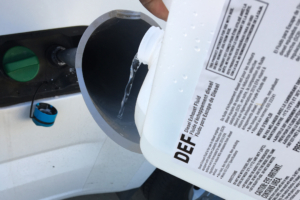
Before refilling, wipe around the cap to prevent debris or ice from entering the tank.
Let the System Do Its Job
Don’t panic if the DEF light comes on during a cold start — it may just be frozen. Once the fluid warms up, the system will function normally.

When to Get It Checked
If your truck throws a DEF quality, low DEF, or SCR malfunction code — or if you notice reduced power — it’s worth bringing it in for a check. Those issues could stem from frozen or contaminated fluid, a faulty heater, or crystallized lines.
At Those Guys Garage, we can run a diagnostic on your DEF system, check the heaters and sensors, and get your truck back to full performance — especially important before those deep-freeze mornings hit.
How Diesel Exhaust Fluid (DEF) Works
And Why It’s Essential for Your Truck
If you own a modern diesel truck, chances are you’ve topped up the DEF tank a few times — and maybe wondered what that blue fluid actually does. Diesel Exhaust Fluid (DEF) plays a major role in keeping your diesel engine clean, efficient, and compliant with emissions standards.
Let’s break down how DEF works, why it’s important, and what happens if you ignore it.
What is DEF?
Diesel Exhaust Fluid is a non-toxic, colorless mixture of 32.5% high-purity urea and 67.5% deionized water.
It’s not a fuel additive — it never goes inside your diesel tank.
Instead, it has its own reservoir and is used only in your vehicle’s emission system.
How DEF Works?
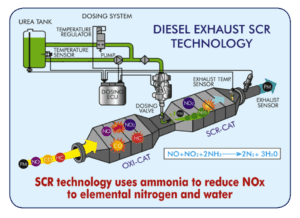
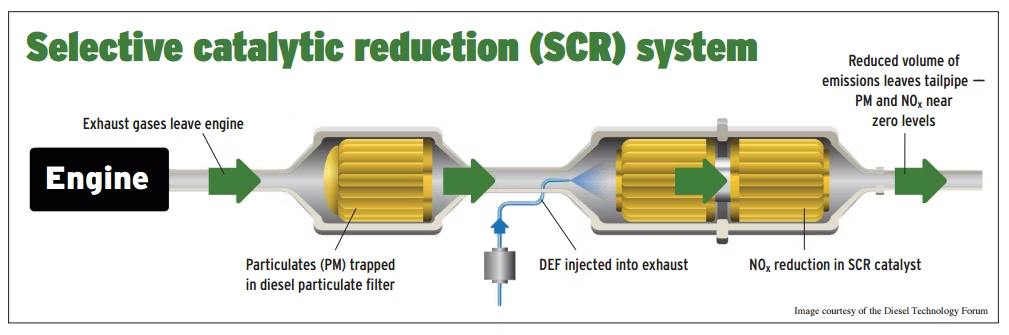
Modern diesel engines use a technology called Selective Catalytic Reduction (SCR) to reduce harmful nitrogen oxide (NOx) emissions — one of the main pollutants created during diesel combustion.
Here’s how it works step by step:
1 – Diesel combustion produces exhaust gases that contain NOx.
2 – Before those gases exit through the tailpipe, they pass through the SCR system.
3 – DEF is injected into the exhaust stream as a fine mist.
4 – When heated, DEF breaks down into ammonia (NH₃) and carbon dioxide (CO₂).
5 – Inside the SCR catalyst, ammonia reacts with NOx to form harmless nitrogen (N₂) and water vapor (H₂O).
In short — DEF helps your diesel breathe cleaner and run more efficiently, keeping emissions nearly 90% lower than older systems.

Why It’s Important
Without DEF, your truck’s SCR system can’t do its job. Modern diesel engines are designed to monitor DEF levels — and if the fluid runs too low, you’ll notice:
Warning lights on your dash
Reduced engine power or speed limits
Eventually, the truck won’t start until DEF is refilled
Using DEF properly keeps your truck compliant, powerful, and reliable.

Common Myths About DEF

“It’s just water — I can mix my own.”
Nope. DEF must meet ISO 22241 standards to prevent contamination and damage to your SCR system.
“I can run without it in the winter.”
DEF is crucial year-round. While it can freeze at –11°C, your truck’s DEF tank has built-in heaters to keep it functioning in Canadian winters.
“Adding more DEF improves performance.”
The system injects the exact amount needed — adding extra doesn’t boost power or fuel economy.
How Often Should You Refill DEF?
Usage depends on driving habits, towing loads, and fuel consumption. Most trucks use about 1–3 liters of DEF for every 100 liters of diesel fuel.
Keep an eye on your DEF gauge or reminder light and top up regularly to avoid downtime.

Final Thoughts
DEF might not be the most exciting part of your diesel truck, but it’s one of the most important for keeping your rig clean, legal, and running strong.
At Those Guys Garage, we can help you check your DEF system, sensors, and heater function — especially before the winter months when cold can cause issues.
Keep your diesel running at its best.
🔗👉 Book your service or inspection today!


