

Why Your Vehicle’s A/C Is Still Important in the Winter
Many drivers associate air conditioning exclusively with hot summer days, but your vehicle’s A/C system plays an important role year-round—including during winter. In fact, using your A/C in colder months can improve visibility, comfort, and even the longevity of your vehicle’s HVAC components. Understanding how and why it works in winter can help you get the most out of your vehicle while avoiding common issues.
A/C is the Best Tool for Clearing Fogged Windows
One of the biggest winter driving frustrations is fogged-up windows. When warm, moist air inside the cabin meets cold glass, condensation forms quickly. This reduces visibility and can become a safety concern.
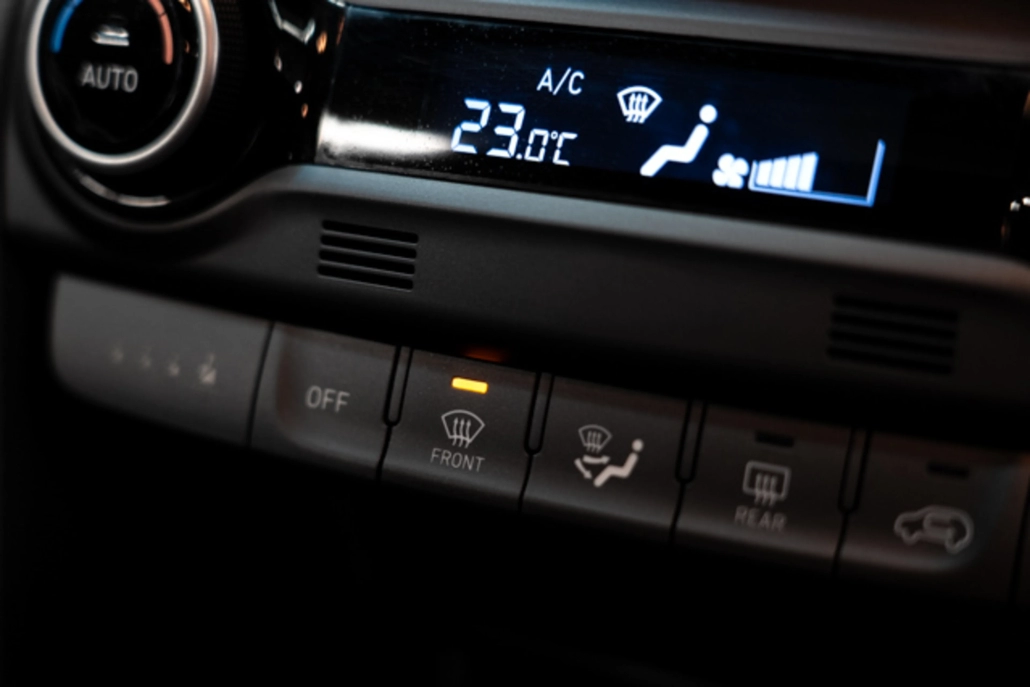
Your air conditioning system removes moisture from the air as it operates. When you turn on the defrost setting, most vehicles automatically engage the A/C—even if you don’t realize it. The system dries the air before blowing it across the windshield, clearing fog and condensation far faster than heat alone.
Bottom line: If your windshield clears quickly in winter, your A/C system is doing its job.
Running the A/C Helps Maintain the System
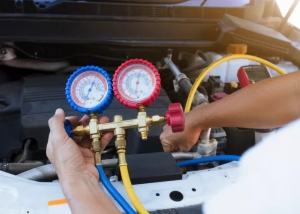
Like many automotive components, an A/C system benefits from regular use. Running it periodically—even in cold weather—helps keep internal seals lubricated and prevents them from drying out. When seals dry and shrink, refrigerant leaks are more likely to develop over time.
Using the A/C during winter:
Keeps seals and O-rings in good condition
Helps circulate refrigerant and oil through the system
Reduces the likelihood of A/C failure when summer arrives
Many manufacturers design vehicles so the A/C cycles automatically in winter defrost modes for this exact reason.
Improved Cabin Comfort and Air Quality
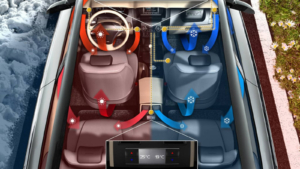
Winter air inside a vehicle can become damp, especially with snow-covered boots, wet clothing, and temperature swings. Excess humidity can make the cabin feel colder and uncomfortable.
By removing moisture from the air, the A/C system helps:
Maintain a more consistent cabin temperature
Reduce that “clammy” winter feel
Improve overall air quality
This can make long winter drives noticeably more comfortable, even when the heater is doing most of the work.
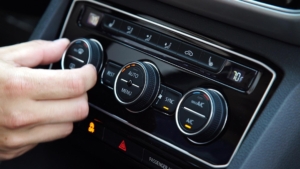
Yes, Your A/C Can Run in Cold Temperatures
A common misconception is that A/C systems don’t work—or shouldn’t be used—below freezing. While extremely cold conditions may limit compressor operation to protect the system, most modern vehicles are designed to safely run the A/C in winter, especially during defrost mode.
If your A/C never seems to engage or your windows take a long time to clear, it could indicate:
Low refrigerant
A failing compressor
Electrical or sensor issues
These are worth addressing before they turn into bigger (and more expensive) problems.

Winter Is a Smart Time to Catch A/C Problems Early
Because winter use of A/C is subtle, issues often go unnoticed until the first hot day of summer—when everyone else is also trying to book A/C repairs. Identifying problems early can save time, money, and frustration.
Signs your A/C may need attention:
Windshield fogging that takes too long to clear
Musty or damp odors from vents
Weak airflow in defrost mode

Final Thoughts
Your vehicle’s air conditioning system is more than a summer luxury—it’s a year-round safety and comfort feature. Using your A/C in winter helps keep your windows clear, your cabin comfortable, and your system in good working order for when warmer weather returns.
If you suspect your A/C isn’t performing as it should, having it inspected during the off-season is a smart move. A properly functioning HVAC system makes winter driving safer—and summer driving far more enjoyable.


