

Modern Vehicle Emissions Technology: What It Is, How It Works, and the Real-World Pros & Cons
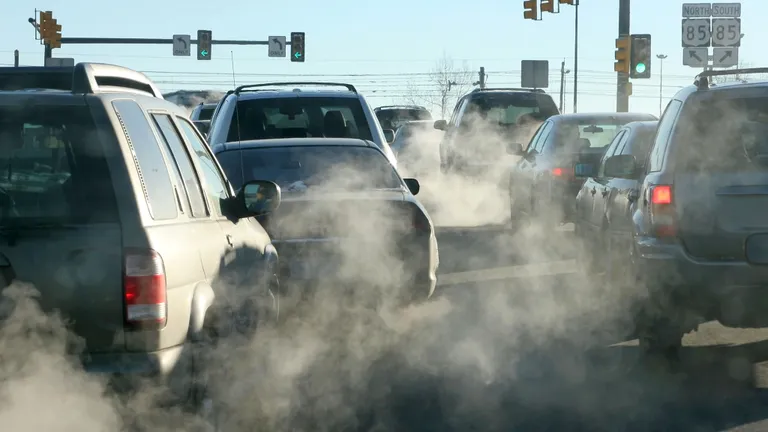
Modern vehicles are cleaner than ever, but it’s not because engines magically “stopped polluting.” It’s because today’s gasoline and diesel vehicles use layered emissions systems that reduce harmful gases and soot across a wide range of driving conditions—cold starts, city idling, highway cruising, towing, and everything in between.
Below is a practical breakdown of the main emissions technologies found in current vehicles, how they work, and the pros and cons you’ll actually notice as an owner.
The Three Main Targets: What Emissions Systems Are Trying to Control
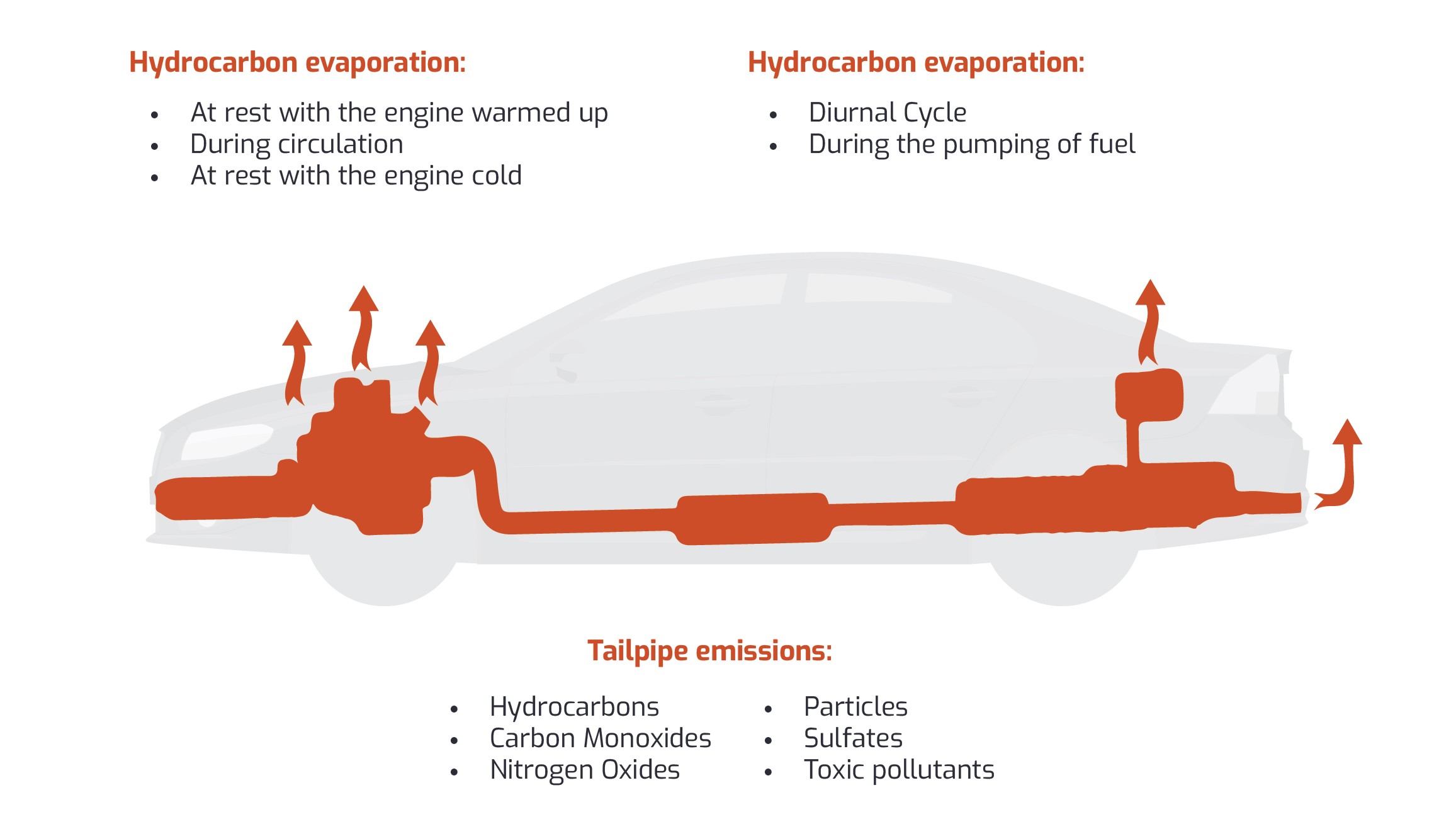
Most emissions tech is designed to reduce one (or more) of these:
NOx (Nitrogen Oxides): Contributes to smog and respiratory irritation. Commonly produced in high-temperature combustion.
HC/CO (Hydrocarbons and Carbon Monoxide): “Unburned fuel” and partially burned byproducts, especially high during cold starts.
PM (Particulate Matter / soot): Tiny particles from combustion—more common on diesels, but now also relevant for gasoline direct injection.
Gasoline Emissions Technology (Common on Most Cars, SUVs, and Light Trucks)
1. – Three-Way Catalytic Converter (TWC)
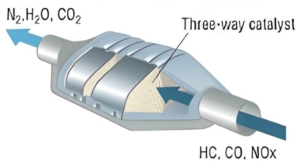
What it does: Reduces NOx, CO, and HC once the converter is hot.
How it works: Uses precious metal catalysts to convert:
NOx → nitrogen + oxygen
CO → carbon dioxide
HC → carbon dioxide + water
| PROS | CONS |
|---|---|
| Highly effective once warmed up | Needs heat to work well (cold starts are the toughest emissions period) |
| Usually long-lasting if the engine is healthy | Sensitive to misfires, oil burning, coolant leaks, and rich fueling (can overheat/melt) |
2. – Heated Oxygen Sensors (O2) and Air-Fuel Control Sensors
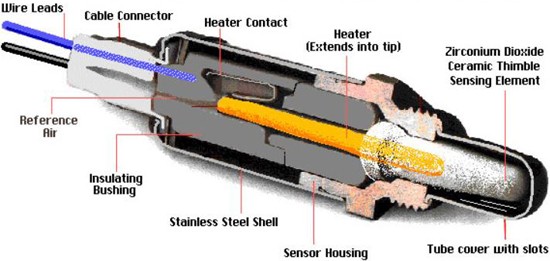
What they do: Help the ECU maintain the ideal air-fuel ratio so the catalyst works properly.
How it works: Sensors measure oxygen content in exhaust; the ECU adjusts fueling in real time.
| PROS | CONS |
|---|---|
| Better fuel control, better drivability, lower emissions | Sensor failure can cause poor economy, drivability issues, and catalyst damage |
| Helps prevent catalyst damage when working correctly | Replacement costs vary; some are easy, others are not |
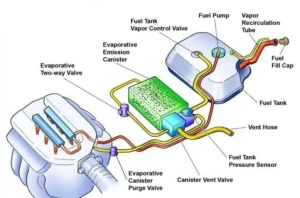
3. – EVAP System (Evaporative Emissions Control)
What it does: Prevents fuel vapors from escaping the tank to the air.
How it works: Vapors are stored in a charcoal canister and later purged into the engine to be burned.
| PROS | CONS |
|---|---|
| Reduces hydrocarbon emissions significantly | Common nuisance faults: loose gas cap, purge valve, vent valve, canister issues |
| Doesn’t affect performance when functioning properly | Can cause hard starts after fueling, rough idle, or fuel odor if components fail |
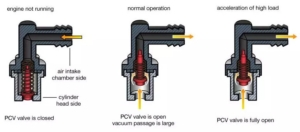
4. – PCV System (Positive Crankcase Ventilation)
What it does: Routes blow-by gases from the crankcase back into the intake to be burned.
How it works: Uses a calibrated PCV valve or orifice to control flow.
| PROS | CONS |
|---|---|
| Reduces crankcase pressure and emissions | Can contribute to intake valve deposits on some engines (especially direct injection) |
| Helps keep oil cleaner longer in many applications | Can cause oil consumption or vacuum leaks if the PCV system fails |
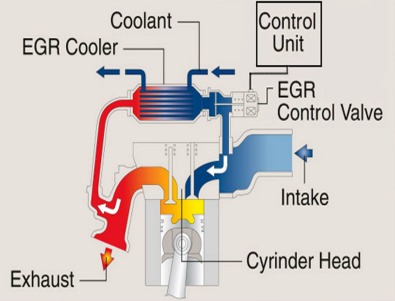
5. – EGR (Exhaust Gas Recirculation) — Gasoline and Diesel
What it does: Lowers NOx by reducing combustion temperatures.
How it works: Recirculates a controlled amount of exhaust back into the intake.
| PROS | CONS |
|---|---|
| Effective NOx reduction | Carbon buildup can cause sticking valves/coolers |
| Can improve efficiency in some operating conditions | Can trigger drivability issues and check engine lights when restricted or leaking |
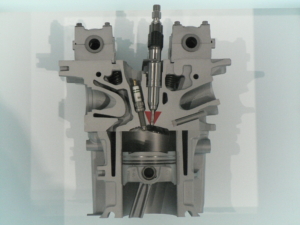
6. – Direct Injection (GDI) + Gasoline Particulate Filter (GPF) (Increasingly Common)
What it does: GDI improves efficiency; GPFs (on some newer vehicles) trap fine gasoline particulates.
How it works: The filter captures soot-like particles; under certain conditions it regenerates (burns off deposits).
| PROS | CONS |
|---|---|
| Better power and efficiency potential with GDI | Some GDI engines are prone to intake valve carbon buildup (no fuel wash over valves) |
| GPF helps address particulate concerns from GDI engines | Added complexity and cost if equipped with a GPF |
Diesel Emissions Technology (Common on Modern Diesel Pickups and Commercial Diesels)
Diesels use multiple systems together because they produce different emissions than gasoline engines—especially NOx and soot.
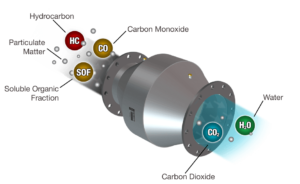
1. – Diesel Oxidation Catalyst (DOC)
What it does: Reduces HC and CO and helps initiate DPF regeneration.
How it works: Similar concept to a catalytic converter, optimized for diesel exhaust chemistry.
| PROS | CONS |
|---|---|
| Reliable, effective, helps downstream systems work better | Can be damaged by excessive fueling, oil burning, or contamination |
| Reduces diesel odor and visible smoke in many cases | Not typically “noticed” until there’s a bigger underlying engine issue |
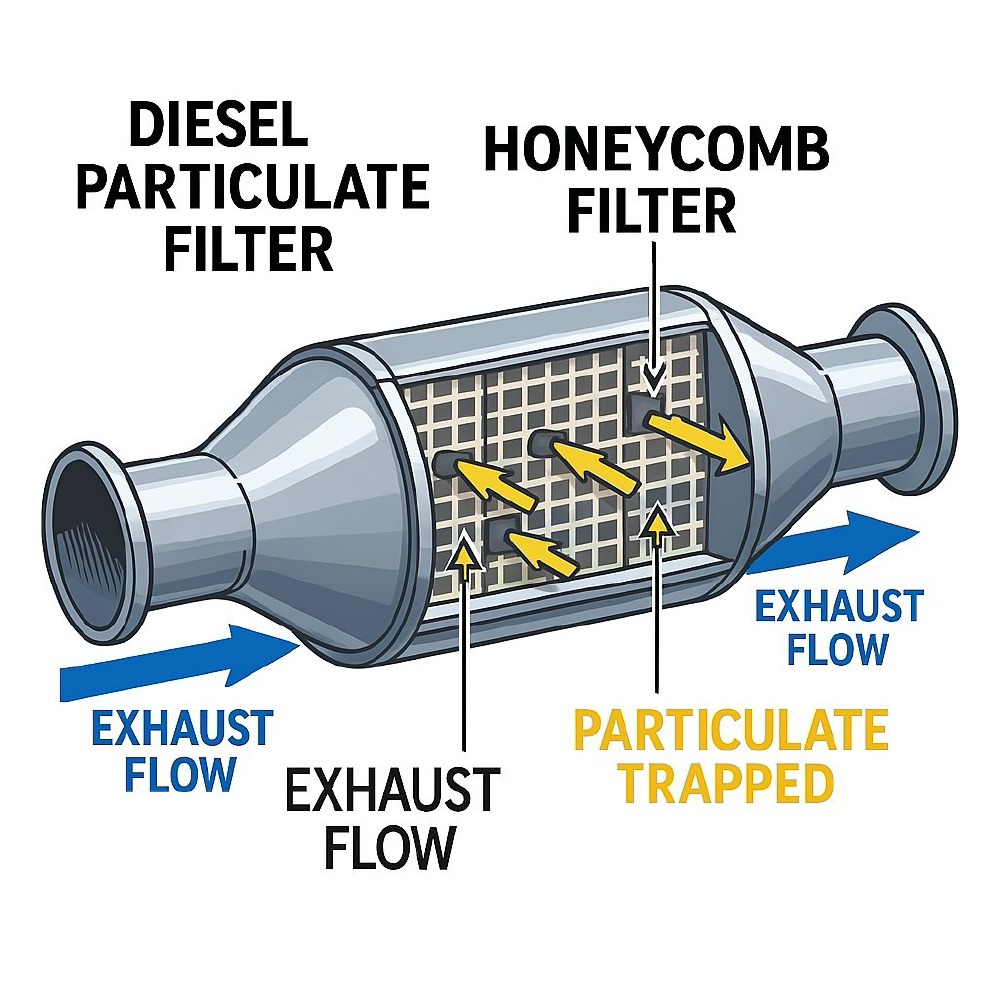
2. – DPF (Diesel Particulate Filter)
What it does: Captures soot (PM) so it doesn’t leave the tailpipe.
How it works: The filter traps soot until it reaches a threshold, then performs regeneration:
Passive regen: Happens naturally at higher exhaust temps (highway driving)
Active regen: ECU injects fuel/adjusts conditions to raise temps and burn soot
| PROS | CONS |
|---|---|
| Massive reduction in particulate emissions | Short-trip driving can prevent proper regen (soot builds faster than it burns off) |
| Cleaner exhaust and less visible smoke | Active regens can raise fuel consumption |
| When ignored, can lead to derates/limp mode and expensive repairs (filter, sensors, or related components) |
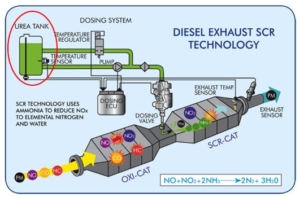
3) DEF/UREA Injection + SCR (Selective Catalytic Reduction)
What it does: Major reduction of NOx on diesels.
How it works: The vehicle injects DEF (Diesel Exhaust Fluid) into exhaust upstream of the SCR catalyst. DEF breaks down into ammonia, which reacts in the SCR catalyst to convert NOx into nitrogen and water.
| PROS | CONS |
|---|---|
| Very effective NOx control while allowing the engine to run efficiently | DEF is an ongoing consumable and freezes in cold climates (systems are heated, but it’s another layer of complexity) |
| Helps modern diesels meet strict emissions standards with strong performance potential | Additional sensors/heaters/pumps can fail |
| Low DEF or system faults can cause warning messages and power reductions by design |
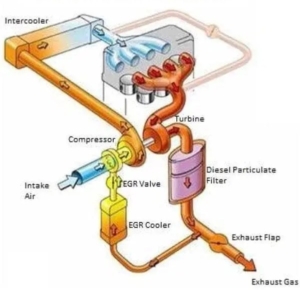
4. – EGR on Diesels (Often High-Rate + Cooled EGR)
What it does: Lowers NOx and can reduce combustion temperatures.
How it works: A cooled EGR loop routes exhaust back into intake with a heat exchanger.
| PROS | CONS |
|---|---|
| Effective NOx reduction and emissions compliance | Carbon buildup is common over time, especially with lots of idling or short trips |
| Works alongside SCR for overall control | EGR coolers and valves are known failure points on some platforms |
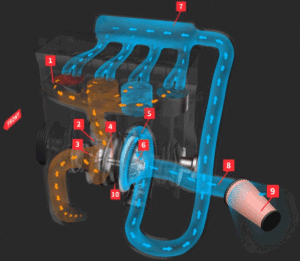
5. – Turbocharging + Modern Engine Controls (Emissions by Efficiency)
What it does: Helps engines burn fuel more completely and operate in cleaner regions of the map.
How it works: Turbochargers, variable geometry turbos (VGT), advanced injection timing, and high-pressure common-rail injection optimize combustion.
| PROS | CONS |
|---|---|
| Improved torque, better towing performance, often better economy when unloaded | More components to maintain (turbo, actuators, sensors) |
| Cleaner combustion can reduce soot formation | Heat and complexity increase repair costs if something fails |
System-Wide Technology Used on Both Gas and Diesel
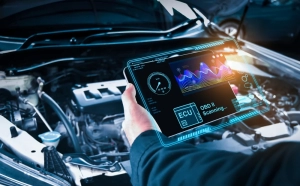
1. – Onboard Diagnostics (OBD-II) and Emissions Monitoring
What it does: Continuously checks sensor readings and system performance.
How it works: If the ECU detects emissions drifting out of spec, it sets fault codes and illuminates the MIL (check engine light).
| PROS | CONS |
|---|---|
| Early detection of issues (sometimes before you feel symptoms) | Can feel “overly sensitive” (especially EVAP) |
| Helps keep vehicles compliant and running efficiently | Diagnosing modern systems often requires proper scan tools and process—parts swapping gets expensive fast |
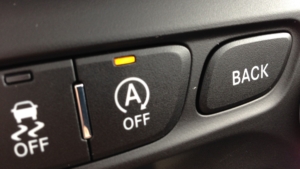
2. – Start-Stop Systems (Indirect Emissions Reduction)
What it does: Reduces idling fuel burn and tailpipe emissions in traffic.
How it works: Shuts the engine off at stops and restarts when you release the brake or press the clutch.
| PROS | CONS |
|---|---|
| Reduced fuel use and emissions during heavy stop-and-go driving | Additional wear considerations (battery, starter, engine mounts—though systems are designed for it) |
| Often seamless on well-calibrated systems | Some drivers find it annoying or inconsistent in extreme weather |

The Practical Pros and Cons: The Owner’s Perspective
What’s genuinely better today
Cleaner air and dramatically lower tailpipe output compared to older vehicles
Improved fuel control and drivability due to sophisticated sensors and engine management
More power from smaller engines (downsizing + turbocharging) while meeting emissions requirements
The trade-offs you feel
More complexity: more sensors, valves, coolers, catalysts, pumps, and wiring
More “nuisance” faults: particularly EVAP and sensor-related issues
Higher repair costs when failures happen (especially diesel DPF/SCR systems)
Driving-style sensitivity: Short trips, long idles, and stop-and-go can be harder on certain systems (notably DPF on diesels)
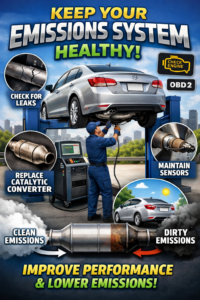
How to Keep Emissions Systems Healthy (Without Overthinking It)
Avoid chronic short-trip driving when possible (especially diesels with a DPF). A longer drive periodically helps the system complete regens.
Fix misfires immediately on gasoline engines—misfires can destroy catalytic converters.
Use the correct oil spec (low-ash oils matter on many diesels and some modern gasoline engines).
Don’t ignore warning messages related to DEF/DPF—small issues become big bills.
Keep up with maintenance items that indirectly affect emissions (air filter, spark plugs, injectors, PCV components).

Final Thoughts
Modern emissions systems work extremely well—when everything is functioning as designed. The “cost” of cleaner vehicles is added complexity, more monitoring, and higher repair stakes if maintenance is ignored or driving patterns don’t suit the platform (particularly for DPF-equipped diesels). Understanding what each component does helps you spot problems early, make smarter maintenance choices, and avoid the most common—and most expensive—failure scenarios.
If you want, tell me whether you’d like this blog written for a general audience (new driver / consumer-friendly) or a more shop-tech tone (diagnostic-focused), and whether you want a dedicated section for diesel pickups used for towing in winter (common pain points in Alberta).


