

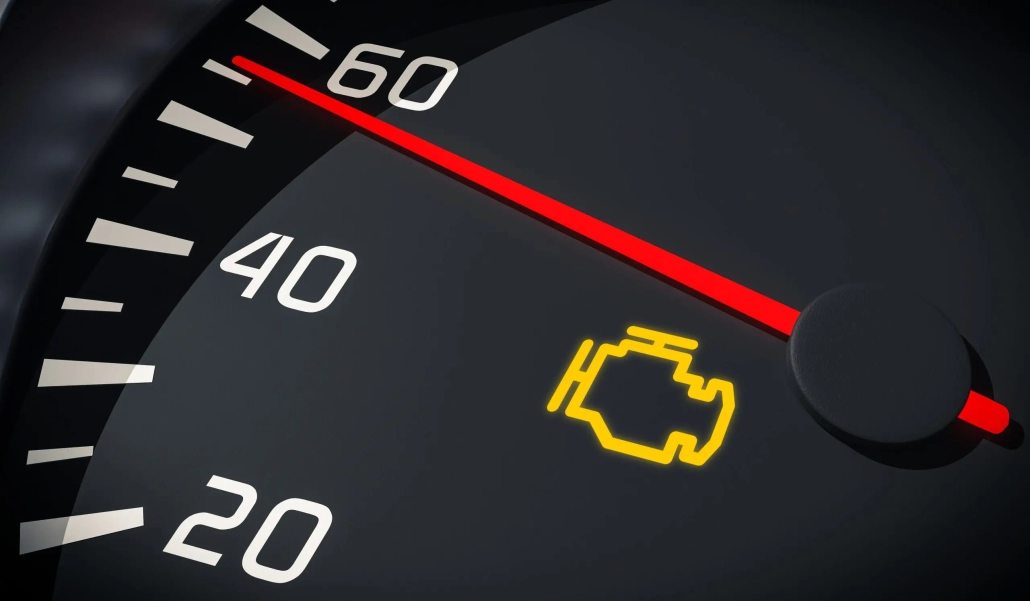
Myth-Busting the Check Engine Light
What It Really Means, What It Doesn’t, and Why You Shouldn’t Ignore It
The check engine light is one of the most misunderstood warnings on a vehicle dashboard. For some drivers, it triggers immediate panic. For others, it becomes an ignored glow that stays on for months. The truth sits somewhere in the middle.
Let’s break down the most common myths surrounding the check engine light, explain what it actually does, and outline what drivers should do when it turns on.
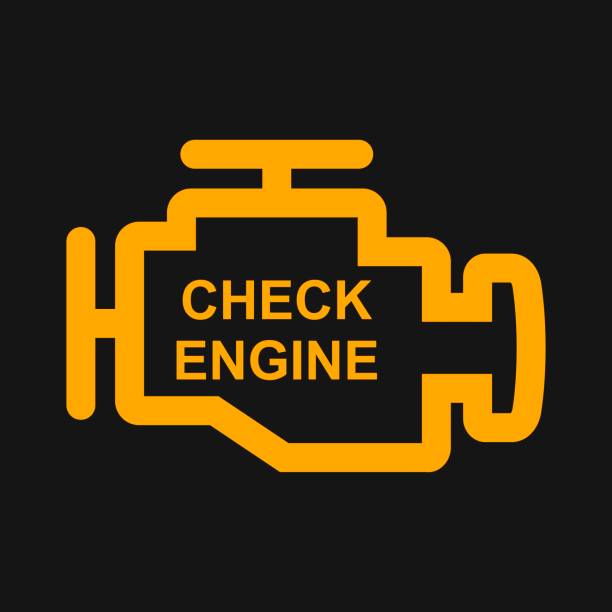
What the Check Engine Light Actually Is
The check engine light (also known as the Malfunction Indicator Lamp) is part of your vehicle’s onboard diagnostics system. It monitors engine performance, emissions systems, and many supporting components using sensors throughout the vehicle.
When the system detects something operating outside of its normal parameters, it stores a diagnostic trouble code (DTC) and illuminates the light.
Important note:
The check engine light is not a single-problem indicator. It can represent hundreds of different faults, ranging from minor to serious.
Myth #1: “The Check Engine Light Means My Engine Is About to Blow”
Reality: Not usually.
In most cases, a steady (non-flashing) check engine light indicates a non-urgent issue, such as:
A loose or failing gas cap
An emissions system fault
A sensor reporting abnormal data
These problems typically do not mean immediate engine damage. However, they still matter and should be diagnosed.
Exception:
If the light is flashing, that indicates a severe misfire that can damage the catalytic converter. A flashing light means you should reduce driving immediately and have the vehicle inspected as soon as possible.
Myth #2: “If the Car Drives Fine, the Light Doesn’t Matter”
Reality: Modern vehicles can hide problems well.
Today’s vehicles are designed to maintain drivability even when faults are present. Just because the car feels normal does not mean everything is operating correctly.
Ignoring the light can lead to:
Increased fuel consumption
Emissions system damage
Long-term engine or drivetrain wear
Costly repairs that could have been prevented early
A small issue now can become an expensive repair later.
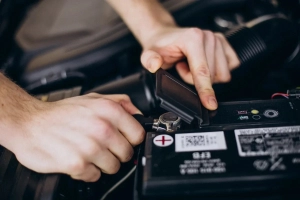
Myth #3: “Disconnecting the Battery Fixes the Problem”
Reality: This only clears the symptom, not the cause.
Disconnecting the battery may temporarily turn off the check engine light by clearing stored codes. However:
The underlying problem is still there
The light will return once the system detects the issue again
Valuable diagnostic information may be lost
Modern diagnostics rely on stored data and system readiness monitors. Clearing codes without repairs can actually make diagnosis harder.
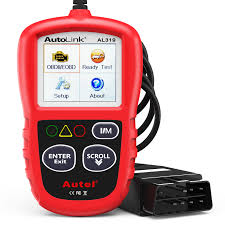
Myth #4: “A Cheap Code Scan Tells Me Everything I Need to Know”
Reality: A code is a starting point, not a diagnosis.
A diagnostic trouble code tells technicians where to look, not necessarily what part to replace. For example:
An oxygen sensor code does not always mean the sensor itself has failed
A misfire code does not automatically mean bad spark plugs
Proper diagnosis involves:
Reading live data
Testing components
Inspecting wiring and connectors
Verifying the root cause before repairs
Replacing parts based on codes alone often leads to unnecessary costs and unresolved problems.

Myth #5: “The Check Engine Light Only Has to Do With Emissions”
Reality: Emissions are only part of the picture.
While emissions compliance is a major function, the system also monitors:
Fuel delivery
Ignition performance
Engine timing
Air intake and exhaust systems
Transmission-related inputs (on many vehicles)
An issue affecting engine efficiency, even if it feels minor, can trigger the light.

Myth #6: “It’s Safe to Ignore It Until the Vehicle Fails Inspection”
Reality: Waiting can cost you more.
Delaying diagnosis often results in:
Failed emissions tests
More extensive repairs
Reduced fuel economy over time
Additionally, some faults prevent readiness monitors from completing, meaning your vehicle may fail inspection even if the light turns off temporarily.

What You Should Do When the Check Engine Light Comes On
1 – Check if it’s flashing or steady
Flashing: Reduce driving and book service immediately
Steady: Schedule a diagnostic appointment soon
2 – Check simple items first
Ensure the gas cap is tight and undamaged
3 – Have the vehicle properly scanned and diagnosed
A professional diagnostic scan provides accurate information
Root-cause diagnosis prevents repeat failures
4 – Don’t Ignore It
Early diagnosis almost always saves money

Final Thoughts
The check engine light is not your enemy—it’s your vehicle communicating that something needs attention. While it doesn’t always mean catastrophic failure, it should never be ignored or dismissed.
Understanding what the light actually represents allows you to respond appropriately, protect your vehicle, and avoid unnecessary repairs down the road.


