
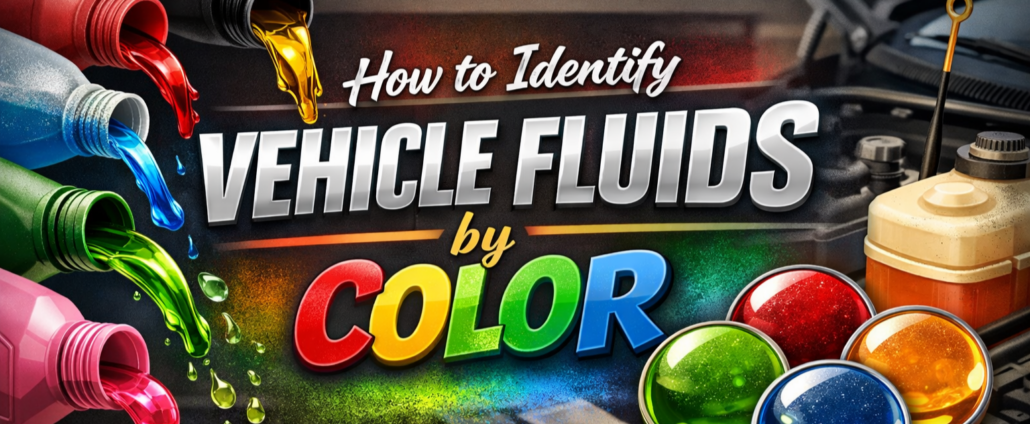
How to Identify Vehicle Fluid Leaks by Color
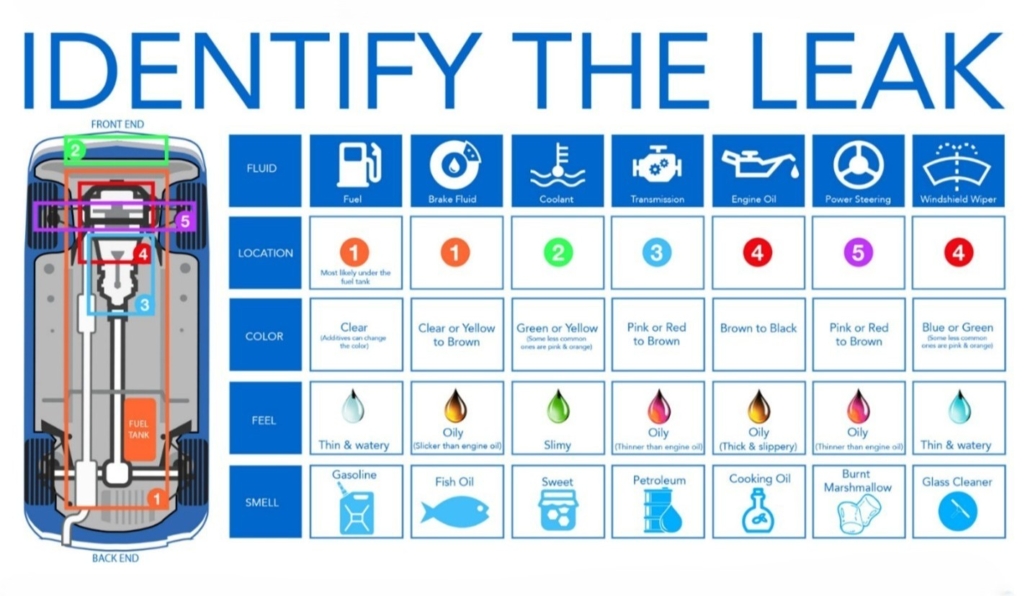
Noticing a puddle under your vehicle can be stressful—but the good news is that the color and texture of the fluid can tell you a lot about what’s going on.
Catching a leak early can save you from major repairs, breakdowns, or unsafe driving conditions. In this guide, we’ll break down the most common automotive fluids, what their leaks look like, and what you should do next.
Why Fluid Leaks Matter
Your vehicle relies on several fluids to function properly—each one plays a critical role in performance, safety, and longevity.
Ignoring a leak can lead to:
Engine damage
Brake failure
Transmission issues
Overheating
Costly repairs
If you see something on your driveway, it’s worth investigating right away.
Common Vehicle Fluid Leaks (By Color)
Brown or Black Fluid – Engine Oil
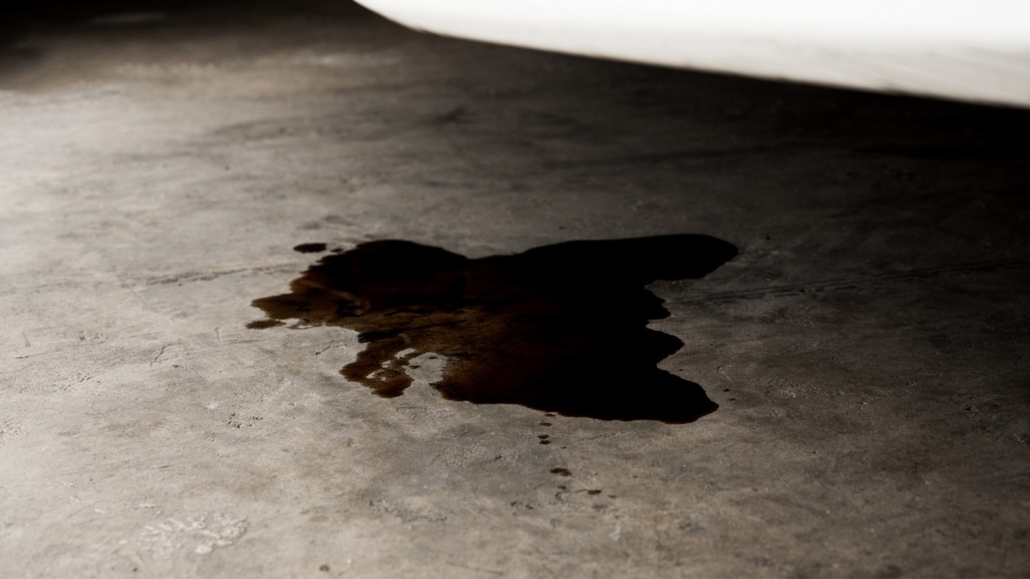
What it means:
This is the most common leak. Fresh oil is light brown, but as it ages, it turns dark brown or black.
Where it comes from:
Oil pan
Valve cover gasket
Oil filter
Drain plug
What to do:
Check your oil level immediately. Driving with low oil can cause severe engine damage.
Red or Pink Fluid – Transmission or Power Steering Fluid
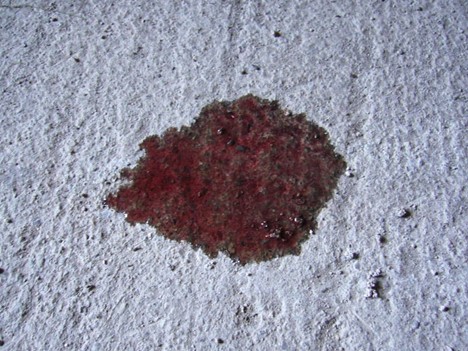
What it means:
Red or pink fluid usually indicates transmission fluid or sometimes power steering fluid.
Where it comes from:
Transmission lines or pan
Cooler lines
Power steering hoses
What to do:
This isn’t something to ignore—low transmission fluid can lead to slipping or total transmission failure.
Green, Orange or Pink Fluid – Coolant (Antifreeze)
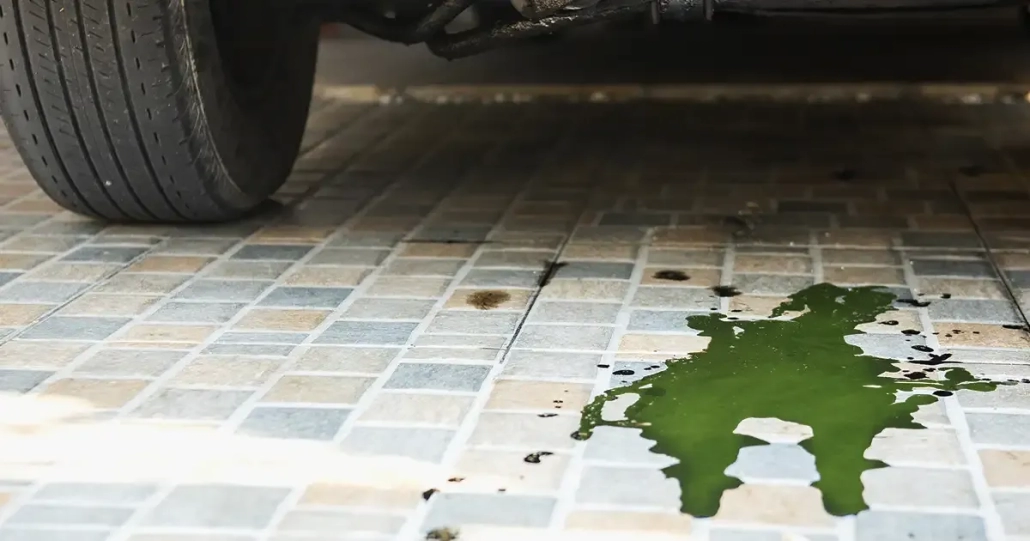
What it means:
Coolant comes in multiple colors depending on the type, but it’s usually bright and easy to spot.
Where it comes from:
Radiator
Hoses
Water pump
Overflow tank
What to do:
Coolant leaks can quickly lead to overheating. If your temperature gauge rises, stop driving immediately.
Yellow or Clear Fluid – Brake Fluid
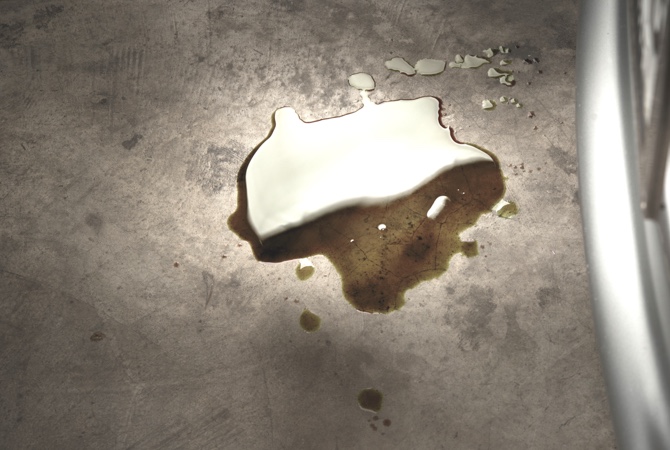
What it means:
Brake fluid is typically clear to yellowish and has a slightly oily feel.
Where it comes from:
Brake lines
Master cylinder
Calipers
What to do:
This is serious. A brake fluid leak can reduce stopping power—do not drive the vehicle until it’s inspected.
Blue Fluid – Windshield Washer Fluid
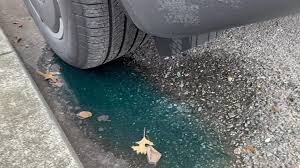
What it means:
Bright blue fluid is usually washer fluid.
Where it comes from:
Washer reservoir
Hoses
Spray nozzles
What to do:
Not urgent, but you’ll lose visibility support—especially important in Alberta winters.
Brownish-Red Fluid — Gear Oil or Differential Fluid
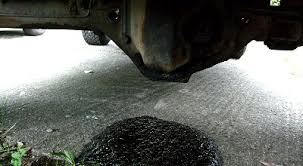
What it means:
Thicker than engine oil and often has a strong sulfur smell.
Where it comes from:
Differential
Transfer case
Axle seals
What to do:
Have it checked soon—gear oil protects critical drivetrain components.
Clear Water — Likely Normal (Condensation)
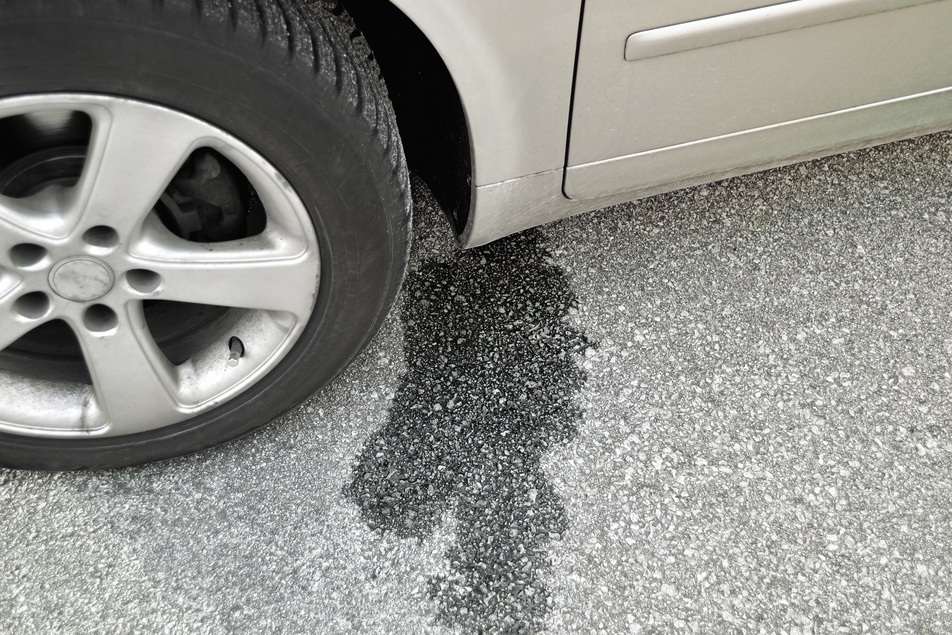
What it means:
If it’s clear and odorless, it’s likely just water from:
Where it comes from:
Air conditioning condensation
Exhaust moisture
What to do:
No action needed—this is completely normal.
Quick Tips to Identify a Leak
Check the location (front, middle, rear of vehicle)
Look at color and thickness
Smell it (carefully) – some fluids have distinct odors
Use cardboard under the vehicle overnight to pinpoint the source
When to Bring It In
If you’re unsure about the fluid—or if the leak is:
Growing quickly
Dark or thick
Near your brakes
Causing warning lights
…it’s time to get it inspected.
Trust the Pros at Those Guys Garage

At Those Guys Garage in Sherwood Park, we don’t guess—we diagnose.
Our team can quickly identify leaks, find the source, and fix the issue before it turns into a major repair.
👉 Book Your Inspection Today
Don’t ignore that spot on your driveway—let’s take a look and keep your vehicle running strong.

Final Thoughts
Fluid leaks are your vehicle’s way of telling you something’s wrong. The sooner you identify the issue, the easier (and cheaper) it is to fix.
If you’re ever unsure—bring it in and let the pros handle it.