
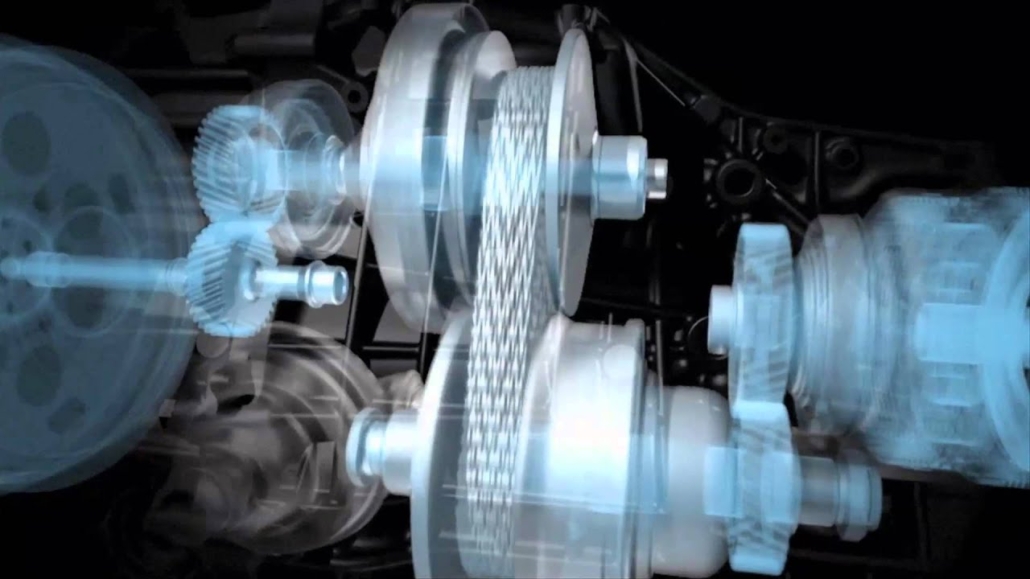
CVT Transmissions
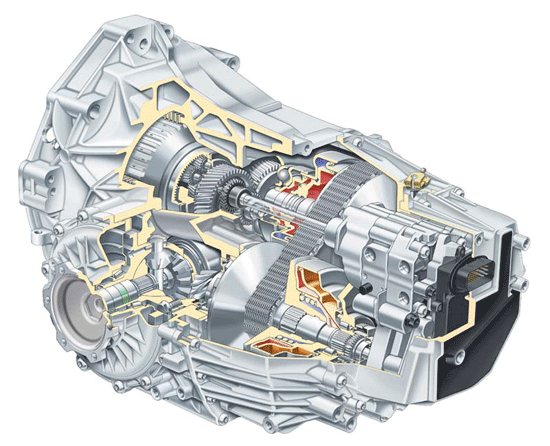
A Smoother Ride or a Compromise?
When shopping for a new car or diving into the technical specs of modern vehicles, you’ve likely come across the term CVT, or Continuously Variable Transmission. Unlike traditional automatic or manual gearboxes, CVTs don’t operate using a fixed set of gear ratios. Instead, they offer a seamless range of gear ratios, making them unique in the world of automotive transmissions.
But is a CVT the right fit for your driving style and expectations? Let’s take a closer look at the benefits and drawbacks of CVT technology.
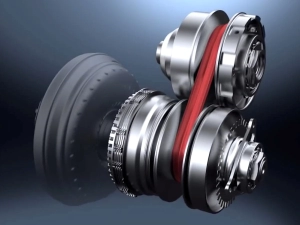
What Is a CVT?
A Continuously Variable Transmission uses a system of pulleys and a belt (or chain) to create an infinite number of gear ratios within a range, rather than shifting between a fixed set of gears. This allows the engine to operate at its most efficient RPM for a variety of driving conditions.
Benefits of CVT Transmissions

1. Fuel Efficiency
One of the most touted advantages of CVTs is improved fuel economy. Because the transmission constantly adjusts to keep the engine in its optimal power band, it can often use less fuel than traditional automatics, especially in city driving.
2. Smooth Driving Experience
CVTs eliminate the sensation of gear shifting, creating a smoother ride with uninterrupted acceleration. This makes for a more comfortable driving experience, particularly in stop-and-go traffic.
3. Better Performance in Some Cases
Although not designed for high performance, CVTs can maximize power delivery from smaller engines. For example, they can help compact cars feel more responsive during acceleration by keeping the engine at peak torque.
4. Lighter Weight
CVTs often weigh less than conventional automatic transmissions. This contributes to better fuel economy and can reduce overall vehicle weight, which is particularly beneficial in hybrid vehicles.
5. Fewer Moving Parts
With fewer mechanical components than traditional gearboxes, CVTs can theoretically require less maintenance and suffer less wear over time — though that’s a bit of a double-edged sword (more on that below).
Disadvantages of CVT Transmissions

1. Unnatural Driving Feel
Many drivers find the lack of shift points unsettling. The steady engine tone during acceleration (often described as a “rubber band” effect) can feel disconnected or unrefined, especially to enthusiasts who enjoy the feedback of a traditional transmission.
2. Longevity and Repair Costs
While CVTs have fewer moving parts, they are more complex in design and often more expensive to repair or replace. If a CVT fails, it usually requires a full replacement rather than a simple fix, and not all mechanics are comfortable working on them.
3. Limited Towing Capacity
CVTs are generally not ideal for heavy-duty use, such as towing or aggressive driving. The belt or chain system isn’t built to handle the high torque demands that a traditional automatic transmission can.
4. Performance Limitations
In sporty or high-performance applications, CVTs often fall short. Their sluggish response and lack of “geared” feeling make them less engaging for spirited driving. Some manufacturers try to mimic gear shifts with artificial shift points, but the result can feel gimmicky.
5. Noise at High RPM
Because CVTs keep the engine at a constant high RPM during heavy acceleration, they can be noisy — sometimes unpleasantly so. This can detract from the overall driving experience, especially on long uphill climbs or highway merges.

Is a CVT Right for You?
If you prioritize fuel economy, a smooth driving experience, and low-speed efficiency (think commuting or city driving), a CVT can be a smart choice. They shine in hybrid vehicles, compact cars, and daily drivers where performance isn’t the top priority.
However, if you love driving engagement, plan to tow, or want your car to handle more rugged conditions, a traditional automatic or dual-clutch transmission might better suit your needs.

Final Thoughts
CVT transmissions are a fascinating innovation, bridging the gap between fuel efficiency and modern convenience. But like any technology, they come with trade-offs. As manufacturers continue refining CVTs — and as consumer preferences evolve — it’s worth understanding both the strengths and the compromises before deciding if a CVT vehicle is right for your garage.


