
The Heat Is On: When Your Car Overheats & What You Should Do
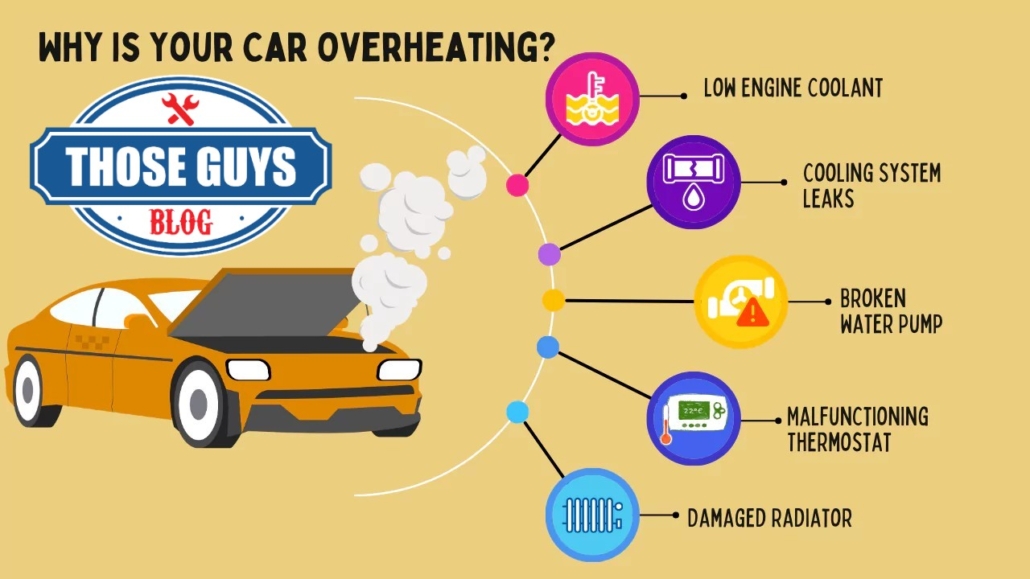
There’s nothing quite as stressful as seeing that engine temperature needle climb or steam billow out from under your hood in the middle of traffic. An overheating vehicle isn’t just a temporary inconvenience—it can lead to serious engine damage and expensive repairs if not handled correctly. So let’s break down what happens when your car overheats, why it’s dangerous, and what steps you should take if it does.
What Happens When a Car Overheats?
Your car’s engine operates within a specific temperature range, usually between 195°F and 220°F (90°C–105°C). When the engine surpasses this range, it’s officially overheating. Here’s what can go wrong:
1. Coolant Breakdown
Coolant (or antifreeze) is essential for absorbing heat from the engine. If the cooling system fails—due to a leak, broken radiator fan, stuck thermostat, or low coolant levels—heat can no longer be properly regulated.
2. Engine Component Damage
Excessive heat can warp metal parts inside the engine. Aluminum cylinder heads, in particular, are prone to cracking. Pistons can seize, gaskets can blow, and oil can lose viscosity, further worsening the problem.
3. Total Engine Failure
In worst-case scenarios, continuous overheating can cause complete engine failure. This often means a full engine replacement—a repair that could cost thousands of dollars.
Signs Your Car Is Overheating
- Temperature gauge needle is in the red zone
- Steam coming from under the hood
- Strange smell (sweet from coolant, or burning oil)
- Warning lights on the dashboard
- Engine performance dropping or “knocking” sounds
What to Do if Your Car Overheats
1. Pull Over Safely
As soon as you notice the signs, turn off the A/C, turn on the heater (yes, really—it helps pull heat away from the engine), and find a safe place to stop.
2. Turn Off the Engine
Once parked safely, shut off the engine to prevent further damage. Let the engine cool for at least 15–30 minutes before touching anything under the hood.
3. Don’t Open the Radiator Cap
The radiator and coolant system are pressurized and extremely hot – opening the cap too soon can cause serious burns. Wait until the engine has completely cooled before checking fluid levels.
4. Check Coolant Levels
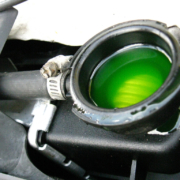
If you’re safely equipped (and the engine has cooled), check the coolant reservoir. If it’s low and you have coolant or water, top it off. This may help you limp to a mechanic—but it’s a temporary fix, not a solution.
5. Call for Help
If you’re unsure, don’t try to drive a car that’s been overheating. Call roadside assistance or a tow truck and get your vehicle to a professional for inspection.
How to Prevent Overheating
- Check coolant levels regularly
- Inspect hoses and belts for wear
- Replace coolant as recommended by your car’s manufacturer
- Pay attention to the temperature gauge—don’t ignore early signs
- Have your radiator and thermostat inspected during routine maintenance

Final Thoughts
An overheating engine is a warning your vehicle can’t be ignored. It’s always cheaper and safer to address minor cooling system issues before they spiral into major engine damage. Keep your car cool, and it’ll keep you cruising smoothly—no roadside drama required.


