
10 Q&As That Explain Everything You Need to Know About Engine Belts
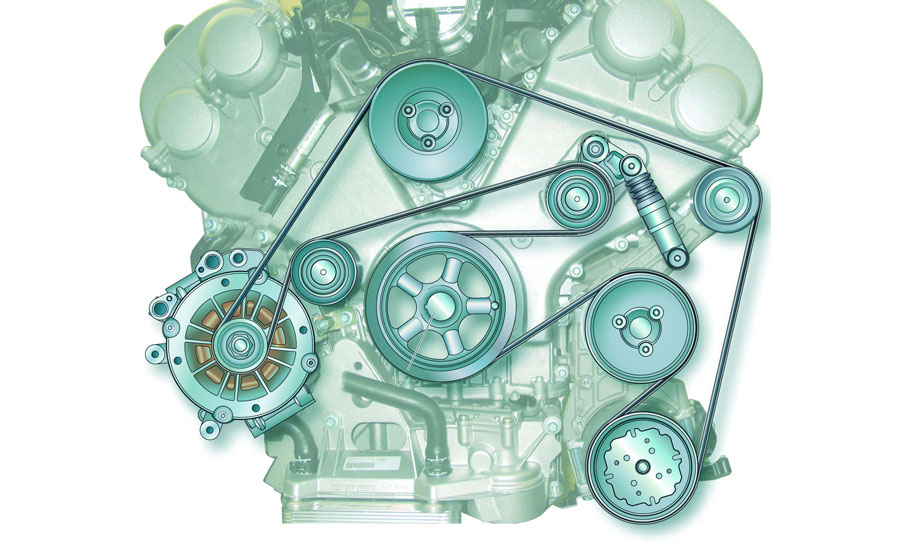
When it comes to keeping your vehicle running smoothly, few parts work harder behind the scenes than your engine belts. Whether it’s the serpentine belt, timing belt, or accessory drive belts, these unsung heroes power critical components that keep you safely on the road. To help clear up the mystery, here are 10 common Q&As about engine belts every driver should know.
1. What do engine belts actually do?
Engine belts transfer power from the engine’s crankshaft to various components like the alternator, water pump, power steering pump, and air conditioning compressor. Without them, many essential systems in your vehicle simply wouldn’t work.
2. What’s the difference between a serpentine belt and a timing belt?
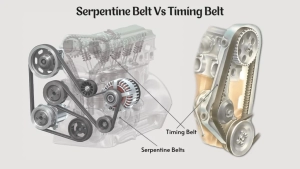
Serpentine Belt: Runs multiple accessories at once (alternator, A/C, etc.).
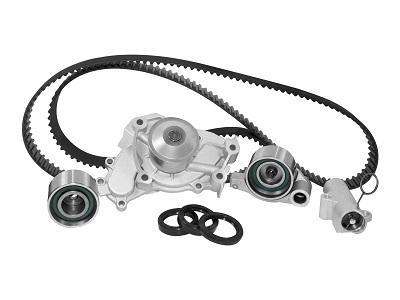
Timing Belt: Synchronizes the crankshaft and camshaft so your engine’s valves open and close at the right time.
Both are critical—but a timing belt failure can be catastrophic for your engine.
3. How long do belts usually last?
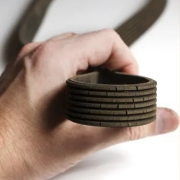
Serpentine belts: 80,000–160,000 km (50,000–100,000 miles)
Timing belts: 95,000–160,000 km (60,000–100,000 miles) or around 5–7 years
Always check your owner’s manual, as some vehicles have shorter or longer service intervals.
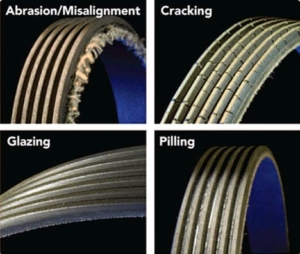
4. What are signs my serpentine belt is failing?
Watch (and listen) for:
Squealing or chirping noises
Cracks, fraying, or glazing on the belt
Power steering, alternator, or A/C not working properly
Dashboard warning lights
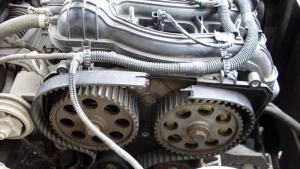
5. What happens if my timing belt breaks?
Bad news. If your car has an “interference engine,” a snapped timing belt can cause the pistons and valves to collide, leading to thousands in repair costs. Even in non-interference engines, your car will stop running instantly.
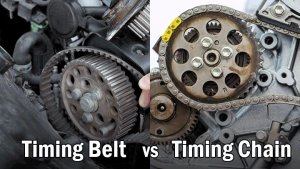
6. Are timing chains the same as belts?
Nope! A timing chain is metal and typically lasts much longer than a belt—often the lifetime of the engine. However, chains can stretch or wear, so they still need inspection and sometimes replacement.
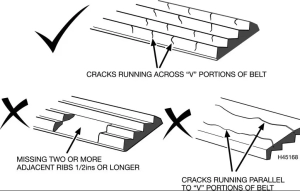
7. How do mechanics check belt condition?
During regular inspections, a technician will:
Look for cracks, splits, or missing chunks
Measure belt tension and alignment
Listen for abnormal noises
Inspect pulleys and tensioners (since these can fail too)
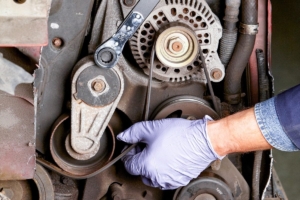
8. Can I replace an engine belt myself?
A serpentine belt? Maybe, if you’re handy with tools and follow a diagram.
A timing belt? Not recommended. It usually requires disassembling parts of the engine, lining up timing marks, and resetting components—one wrong move can ruin your engine.

9. What happens if I ignore a worn-out belt?
At best: your A/C stops working or your alternator quits charging.
At worst: your engine overheats, you lose steering assist, or the timing belt snaps and causes major engine damage. In short—don’t ignore it.

10. How much does it cost to replace a belt?
Serpentine belt replacement: Usually between $300–$500 (parts & labor)
Timing belt replacement: $1000–$3,000+ depending on the vehicle, since it’s labor-intensive and often done with water pump replacement.

Final Thoughts
Engine belts might not be flashy, but they’re some of the hardest-working parts in your vehicle. Staying on top of inspections and replacement intervals can save you from breakdowns—and expensive repairs.
👉 If you’re noticing squeals, cracks, or it’s been a while since your last replacement, book an inspection with Those Guys Garage today. We’ll make sure your belts (and the components they run) are ready for the road.


