
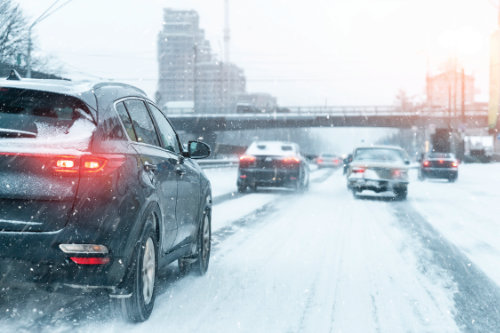
Steps to Winter Prep for Your Vehicle
As the temperatures start to dip and the roads get slick, it’s time to start thinking about winter prep for your vehicle. Cold weather, snow, and ice can be tough on both your ride and your peace of mind. A little preparation now can help you avoid breakdowns, improve safety, and keep your vehicle running smoothly through the harshest months of the year.
Here are the key steps to get your vehicle winter-ready:
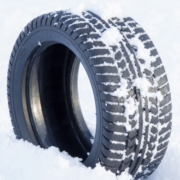
1. Swap to Winter Tires
All-season tires just don’t cut it once the mercury drops. Winter tires are designed with special rubber compounds and tread patterns that grip cold, icy roads better. If you already have a set, check the tread depth (at least 5/32″) and look for any cracks or uneven wear.
Pro tip: Don’t forget to check your tire pressure frequently—cold air lowers PSI.
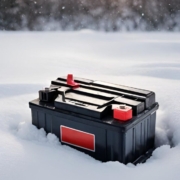
2. Test Your Battery
Cold weather is a battery killer. A weak battery that worked fine in summer might leave you stranded in January. Have your battery tested, and replace it if it’s nearing the end of its life. Also, clean the terminals and make sure the cables are snug.

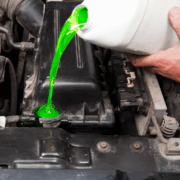
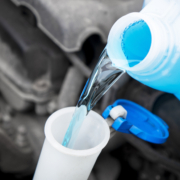
3. Check Your Fluids
Oil: Depending on your vehicle and climate, consider a thinner winter-grade oil for easier cold starts.
Antifreeze/Coolant: Make sure it’s topped up and mixed properly to prevent freezing.
Windshield Washer Fluid: Switch to a winter formula that won’t freeze on contact.
Oil: Depending on your vehicle and climate, consider a thinner winter-grade oil for easier cold starts.
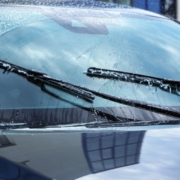
4. Inspect Wipers & Defrosters
Snow and freezing rain demand a clear windshield. Replace old or streaking wiper blades with winter blades designed to handle ice buildup. Double-check that your heater and defrosters are working properly for both comfort and safety.
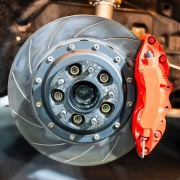
5. Check Brakes & Suspension
Winter driving requires confident stopping and stable handling. Have your brakes inspected for wear, and ensure your suspension components are in good shape. Slippery roads amplify any issues.

6. Protect Against Rust & Salt
Road salt is tough on metal. A professional undercoating or rust protection treatment can extend the life of your vehicle and keep it looking sharp. Don’t forget to wash the undercarriage regularly during the season
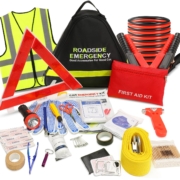
7. Pack a Winter Emergency Kit
Even the most prepared driver can end up in a roadside emergency.
Your kit should include:
Booster cables
Small shovel & traction aids (sand, kitty litter, or traction mats)
Ice scraper & snow brush
Blanket and warm gloves
Flashlight & extra batteries
First aid kit

8. Book a Winter Inspection
If you’re not comfortable checking everything yourself, bring your vehicle to a trusted shop for a full winter prep inspection. A mechanic can spot issues early and give you confidence before the snow hits.
👉 Book your inspection today and breathe easier on your next drive!
✅ Bottom line: A little preparation goes a long way. Winter doesn’t have to be stressful—make sure your vehicle is ready to handle whatever the season throws at it.