
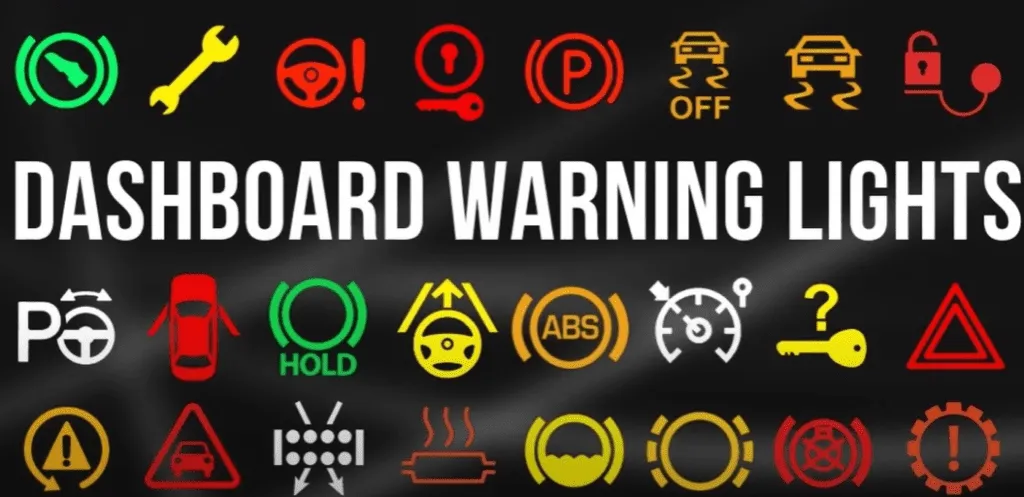
Understanding Your Car’s Warning Lights – A Quick Reference Guide
We’ve all been there—you’re cruising down the road, music on, coffee in hand—and suddenly a strange little light flicker on your dashboard. Cue the panic. Do you need to pull over right now? Can it wait until tomorrow? Or is it just your car’s way of saying “Hey, don’t forget me”?
Knowing what your car’s warning lights mean can save you from expensive repairs, unsafe driving conditions, or even a roadside breakdown. Here’s a quick reference guide to help you decode those mysterious symbols.
Common Dashboard Warning Lights (and What They Mean)
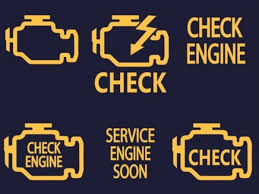
Check Engine Light (CEL)
What it looks like: An outline of an engine (sometimes with the word “Check”).
What it means: Could be minor (like a loose gas cap) or serious (engine misfire, emissions issue). Don’t ignore it—get a diagnostic scan.
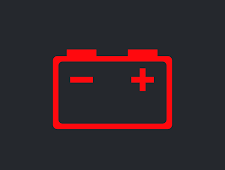
Battery/Charging System Light
What it looks like: A battery symbol.
What it means: Alternator problem, weak battery, or bad wiring. If this stays on, your car may soon lose electrical power.
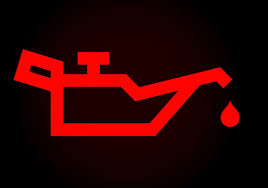
Oil Pressure Light
What it looks like: An oil can dripping a drop.
What it means: Low oil pressure—could mean low oil level or a major lubrication issue. Pull over ASAP and check your oil.
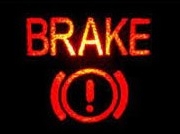
Brake System Warning Light
What it looks like: Circle with an exclamation mark or the word “BRAKE.”
What it means: Could be low brake fluid, worn pads, or parking brake still engaged. Don’t mess with brakes—get them checked immediately.

ABS Light
What it looks like: Circle with “ABS” inside.
What it means: Anti-lock brake system issue. Regular brakes will still work, but ABS safety features may not.
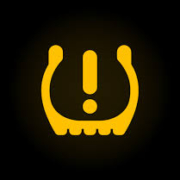
Tire Pressure Monitoring System (TPMS)
What it looks like: Exclamation mark inside a tire.
What it means: One or more tires are low on air. Inflate to the recommended pressure (check your door sticker).
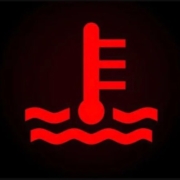
Coolant Temperature Light
What it looks like: A thermometer in waves of liquid.
What it means: Engine is overheating. Pull over, turn off the engine, and let it cool. Continuing to drive could cause major engine damage.

Airbag Warning Light
What it looks like: A person with a circle in front of them.
What it means: Airbag system malfunction. If it stays on, your airbags might not deploy in an accident.
What to Do When a Warning Light Appears
Flashing light? That’s urgent. Pull over safely.
Solid light? Still important, but you may have time to get it checked soon.
Red lights = Danger. Yellow/orange lights = Caution.

Final Thoughts
Your dashboard isn’t trying to annoy you—it’s your car’s way of talking to you. By learning these common warning lights, you’ll know when it’s safe to keep driving, when to schedule a repair, and when to pull over immediately.
Save this guide, share it with a friend, and keep your car happy (and safe)!


