
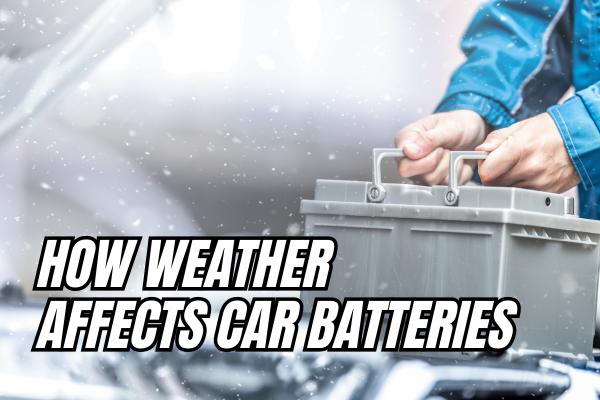
The Impact of Weather on Car Batteries: Tips for All Seasons
When you turn the key or push the start button, you expect your vehicle to roar to life. But few things are as frustrating as being stuck with a dead battery—especially when weather plays a role. Temperature extremes, both hot and cold, are some of the biggest culprits behind battery issues. Understanding how weather affects your car battery and taking the right precautions can help you stay on the road year-round.
How Weather Impacts Your Car Battery
Cold Weather
Slower Chemical Reactions: Car batteries generate electricity through chemical reactions. In freezing temperatures, these reactions slow down, reducing your battery’s ability to provide the necessary power.
Thicker Engine Oil: Cold weather also thickens engine oil, making it harder for the starter to crank the engine, which requires more energy from your battery.
Accessory Demands: Heaters, defrosters, heated seats, and wipers all draw extra power when it’s cold, further taxing the battery.
Hot Weather
Increased Fluid Evaporation: Heat causes the water inside a battery’s electrolyte solution to evaporate faster, leading to reduced battery life.
Corrosion Acceleration: High temperatures speed up corrosion on battery terminals and connections, which can reduce efficiency.
Higher Under-Hood Temps: Prolonged exposure to heat under the hood puts stress on the battery and surrounding components.
Seasonal Transitions
It’s often during the change of seasons that weak batteries reveal themselves. A battery that survived a summer of extreme heat may fail as soon as the first cold snap hits, and vice versa.
Tips for Protecting Your Car Battery in Every Season
Have Your Battery Tested Regularly
Most batteries last 3–5 years, but it’s a good idea to test them at least twice a year—before winter and before summer.
Keep Terminals Clean
Check for corrosion or buildup on your battery terminals. Cleaning with a baking soda solution and a brush can improve connections.
Check for Secure Mounting
Vibrations can damage internal components. Ensure your battery is properly secured.
Limit Short Trips in Cold Weather
Frequent short drives don’t give your alternator enough time to recharge the battery. Try to combine errands or take longer drives occasionally.
Protect Against Heat
Park in shaded areas or garages when possible to limit heat exposure during summer.
Turn Off Accessories When Not in Use
Don’t leave lights, chargers, or electronics plugged in when your car is off—they can drain the battery faster, especially in extreme weather.
When to Replace Your Battery
If your car cranks slowly or struggles to start.
If you notice dim headlights or electrical issues.
If the battery is older than 3–5 years.
Being proactive can save you from unexpected breakdowns.

Final Thoughts
Your car battery doesn’t just fail out of nowhere—weather conditions often play a big role in its health. With regular checks and seasonal precautions, you can extend your battery’s life and avoid inconvenient surprises.
At Those Guys Garage, we provide battery testing, replacements, and full electrical diagnostics to keep your vehicle running strong—no matter the season. Stop by today for a quick check before the next big temperature swing catches you off guard.


