
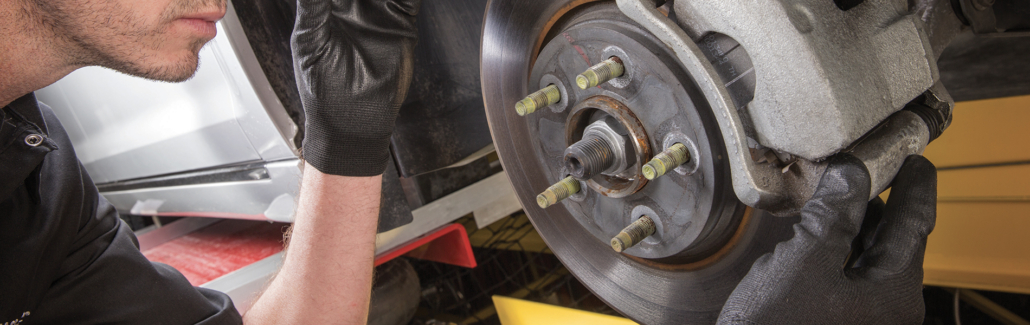
How To Identify and Fix Brake Problems Before They Become Dangerous
When it comes to vehicle safety, nothing is more important than your brakes. They’re the first—and sometimes only—line of defense between you and a potential accident. The good news? Most brake issues show warning signs long before they fail completely. The key is recognizing those signs and addressing them early. Here’s what every driver should know about identifying and fixing brake problems before they become dangerous.
Common Signs of Brake Problems
Squealing or Grinding Noises
A high-pitched squeal usually means your brake pads are worn and need replacing.
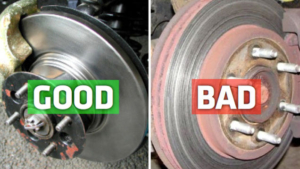
Grinding noises suggest the pads are completely worn down, and metal-on-metal contact is occurring—this can damage your rotors and lead to costly repairs.
Spongy or Soft Brake Pedal
If the pedal feels squishy or sinks to the floor, it could indicate air in the brake lines, a brake fluid leak, or worn master cylinder components.
Vibration or Pulsation
A vibrating brake pedal when you stop often points to warped rotors. This can happen when brakes overheat from heavy use, such as towing or repeated hard stops.
Pulling to One Side
If your car pulls left or right during braking, it may mean a stuck caliper, uneven brake pad wear, or contaminated brake fluid.
Why You Shouldn’t Delay Repairs
Brake problems don’t get better on their own. Delaying repairs can:
Increase repair costs (worn pads destroy rotors, leaks damage other parts).
Reduce stopping power, making emergency braking dangerous.
Put you and others at risk of an accident.
A small squeal today could turn into a costly tow bill tomorrow.
How Brake Problems Are Fixed
Brake Pad Replacement
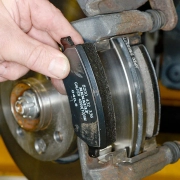
Replacing worn pads is one of the most common and affordable brake repairs.
Rotor Resurfacing or Replacement
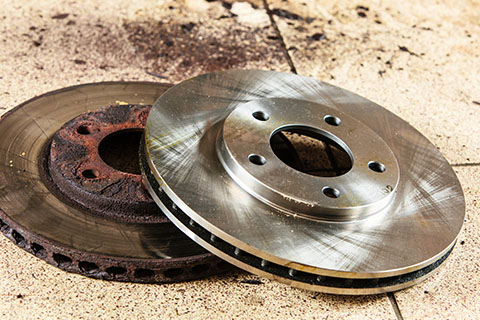
Warped or damaged rotors may be machined smooth if still within spec, or replaced entirely.
Brake Fluid Service
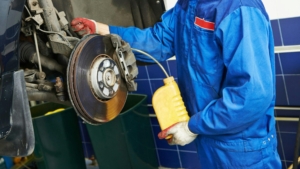
Flushing old, contaminated brake fluid helps maintain hydraulic performance and prevent corrosion in the system.
Caliper and Hose Repairs
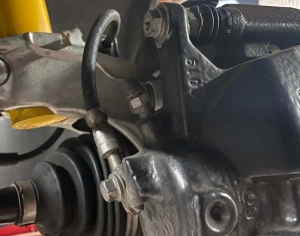
Seized calipers or damaged brake hoses are replaced to restore proper braking balance.
ABS Diagnostics and Repair
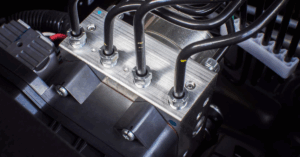
If the ABS light is on, specialized equipment is used to diagnose and fix electronic or sensor issues.
Preventative Maintenance Tips
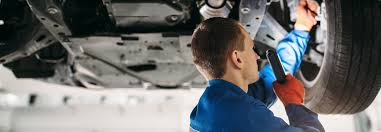
Regular Brake Inspections
Have your brakes checked every 20,000 km (or sooner if you notice symptoms).
Fluid Checks
Replace brake fluid every 2–3 years, depending on manufacturer recommendations.
Listen and Feel
Don’t ignore noises, vibrations, or warning lights—these are your car’s way of asking for help.

Final Thoughts
Your brakes are your vehicle’s most critical safety feature. Paying attention to early warning signs and scheduling timely repairs not only saves money but also ensures you, your family, and everyone else on the road stays safe.If you’ve noticed any of the brake symptoms above, don’t wait until it’s too late—book an appointment with Those Guys Garage today, and let our experienced technicians keep your stopping power strong.


