
Why Winter Tires Are Essential for Our Canadian Roads
When the first snowflake starts to fall, it’s a clear sign that Canadian drivers need to prepare for winter driving. And while an oil change and a fresh set of wiper blades are a great step, nothing impacts your safety and control on the winter roads more than the right set of winter tires.
Understanding Winter Tires
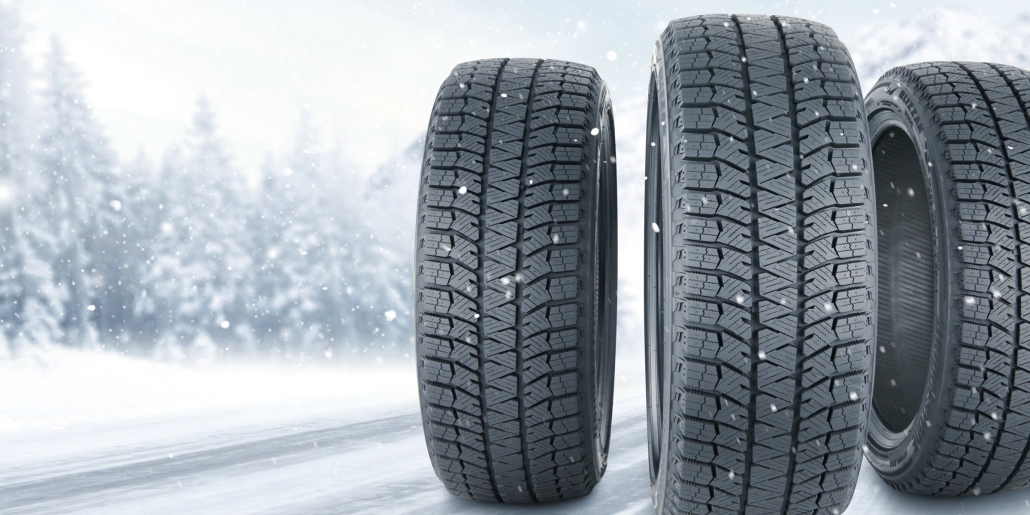
Winter tires are built specifically to handle cold temperatures, snow, ice and slush. They are not just about tread depth – the entire tire is engineered differently than all-season or summer tires.
Here is what sets them apart:
Rubber Compound
Winter tires use a softer rubber blend that stays flexible in freezing temperatures. This flexibility helps the tire grip the road, even when it’s icy or covered in snow.
Tread Design
The deep grooves and biting edges of winter tire tread are designed to channel snow, slush and water away, improving traction and preventing hydroplaning.
Sipes (Tiny Slits)
These fine cuts in the tread blocks act like claws that bite into ice and packed snow for better braking and cornering performance.

The Canadian Reality
Canada’s winters aren’t for the faint of heart – from freezing rain in the Prairies to heavy snow in Ontario or Quebec, the conditions are constantly changing. Once temperatures dip below below 7°C, all-season tires start to harden, losing grip on cold pavement.
That means even if there’s no snow on the ground, your vehicle can still slide more easily, take longer to stop, and struggle to corner safely.

Safety and Performance Benefits
Shorter Stopping Distances
Studies show that a vehicle with winter tires can stop up to 30-40% shorter on icy or snowy roads compared to all-season tires.
Improved Handling and Control
You’ll notice the difference in how your vehicle corners and accelerates — especially when taking turns or merging onto highways in the winter.
Better Traction in Cold Weather
Even on dry, cold pavement, winter tires grip better and give you the confidence to brake, steer, and accelerate smoothly.
Longer Life for All-Season Tires
By swapping your tires seasonally, you’re not wearing out one set year-round. This extends the life of both your summer and winter tires.
Winter Tires vs. All-Season vs. All-Weather
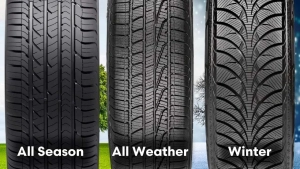
| Tire Type | Best Use | Key Advantage | Limitation |
| Winter Tires | Below 7°C, ice, snow, slush | Maximum traction & safety in winter | Not ideal for warm weather |
| All-Season Tires | Mild spring–fall driving | Balanced performance | Lose grip below 7°C |
| All-Weather Tires | Year-round use in mild climates | Acceptable in light snow | Not as effective as dedicated winters in heavy snow or ice |
For most Canadians — especially here in Alberta and the Edmonton area — dedicated winter tires are the safest choice once the mercury drops.
Our Final Thoughts

At Those Guys Garage, we always recommend installing your winter tires early, ideally when the temperature consistently falls below 7°C. Don’t wait until the first big snowstorm — by then, every shop in town will be booked solid.
Your safety on the road this winter starts with proper traction. Don’t risk it — get your winter tires installed and hit the roads with confidence.


Book Your Winter Tire Appointment Today
Stop by Those Guys Garage or call us to reserve your winter tire service.
Book your appointment online!
Let’s keep you rolling safely this winter — no matter what Mother Nature throws your way.
We can help you:
Select the right tire brand and tread for your vehicle
Mount and balance your winter tires
Inspect your brakes, suspension, and alignment while you’re here


