
Understanding Your Vehicle’s HVAC System
How It Works and Why It Matters?
When you hop into your vehicle on a scorching summer day or a freezing Alberta morning, there’s one system you rely on more than anything: the HVAC system. Short for Heating, Ventilation, and Air Conditioning, the HVAC system keeps your cabin comfortable, your windows clear, and—most people don’t realize—your engine and electronics happy too.
But how does this system actually work under the hood? Let’s break it down.
What the HVAC System Does
Your vehicle’s HVAC system handles three key jobs:
1. Heating
Warming up the cabin in cold weather by using engine heat.
2. Cooling / Air Conditioning
Removing heat and humidity from the cabin in hot or muggy weather.
3. Ventilation
Bringing fresh air in, circulating air, and controlling temperatures through vents, ducts, and blower motors.
Modern HVAC systems are incredibly efficient and rely on a mix of mechanical, electrical, and electronic components to keep everything operating smoothly.
How the Heating System Works
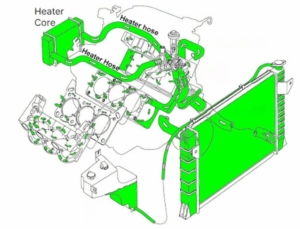
When your engine runs, it generates heat. Instead of wasting that heat, your vehicle uses it:
Engine coolant absorbs heat from the engine as it circulates.
A portion of this hot coolant is sent to the heater core, a small radiator inside the dashboard.
The blower motor pushes air over the hot heater core, warming it up before delivering it through your vents.
You adjust the temperature using blend doors and controls that regulate how much warm or cool air mixes before entering the cabin.
This system is why your heat doesn’t blow warm instantly on a cold morning—your engine needs time to warm up first.
How Air Conditioning Works
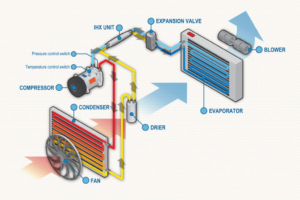
The A/C system works differently. Instead of using engine heat, it uses a refrigerant cycle to remove heat and humidity from the air:
The A/C Cycle:
1. Compressor
Driven by the engine or a belt, it compresses refrigerant into a high-pressure, high-temperature state.
2. Condenser
Located at the front of the vehicle, it cools the hot refrigerant down and turns it back into a liquid.
3. Receiver/Drier or Accumulator
Removes moisture and contaminants.
4. Expansion Valve or Orifice Tube
Drops the refrigerant pressure rapidly, cooling it significantly.
5. Evaporator Core
Inside the dash, refrigerant absorbs heat from the cabin air as the blower pushes air across it.
This absorbs heat and humidity—cooling and drying the air.
6. Cooled, dehumidified air is then delivered through your vents.
That’s why your A/C helps defog windows in winter—it removes moisture from the air.
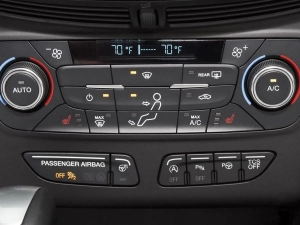
Ventilation and Airflow Controls
Modern HVAC system rely on:
Blower motor (adjusts airflow speed)
Mode doors (direct airflow to floor, dash, or defrost)
Recirculation door (fresh air vs. interior air)
Cabin air filter (captures dust, pollen, and debris)
Electronic climate control modules (manage automatic temperature settings)

Common HVAC Problems and Symptoms
Your HVAC system is always working, so components can wear out. Watch for:
Weak airflow (possibly a clogged cabin filter or failing blower motor)
Warm A/C (low refrigerant, leaks, compressor issues)
No heat (low coolant, airlock, stuck thermostat)
Strange smells (dirty cabin filter or mildew in the evaporator)
Clicking behind the dash (blend door actuator problems)
If you see any of these symptoms, it’s a great time to book an inspection.
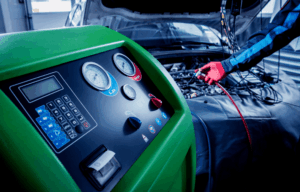
Why HVAC Maintenance Matters
Keeping your HVAC system healthy ensures:
Clear visibility with effective defrosting
Comfortable cabin temperatures year-round
Proper humidity control
Reduced strain on your engine and electrical systems
Better air quality inside the vehicle
Simple maintenance items—like changing your cabin air filter or servicing your A/C—go a long way in preventing expensive repairs.

Final Thoughts
Your vehicle’s HVAC system is more than just comfort—it’s a critical part of safe driving and overall vehicle health. Whether you’re battling -30°C mornings or +30°C afternoons, a properly functioning HVAC system keeps you safe, comfortable, and in control.
If you’re noticing HVAC issues, odd smells, or weak airflow, Those Guys Garage can diagnose and fix the problem quickly and professionally.
Stay warm, stay cool, and stay safe out there!


