
How Snow and Ice Build-Up in Your Wheels Can Cause Vibrations All Winter Long
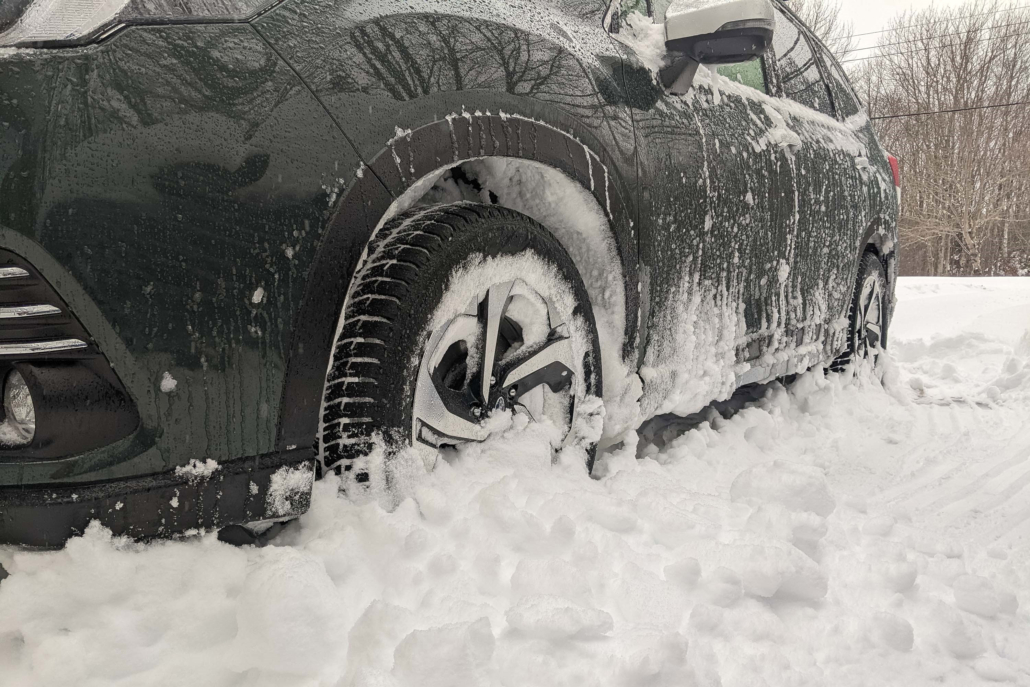
Winter driving brings no shortage of challenges—reduced traction, icy roads, and freezing temperatures are obvious ones. However, one of the most common (and often overlooked) cold-weather issues drivers experience is steering wheel or vehicle vibrations at highway speeds, caused by snow and ice building up inside the wheels.
This problem affects cars, trucks, and SUVs alike and can show up suddenly after driving through slushy roads, snow-packed parking lots, or during fluctuating freeze-thaw conditions.
How Snow and Ice Build Up in Wheels
During winter driving, snow and slush are constantly being thrown into your wheels. When temperatures hover around freezing, this moisture can:
Pack into the inner barrel of the wheel
Freeze solid while driving or after parking
Build unevenly as you continue driving
Alloy wheels—especially those with open or spoke-style designs—are particularly prone to this issue. The snow enters easily and has nowhere to escape, allowing it to freeze into a solid mass.
Why It Causes Vibrations at Speed
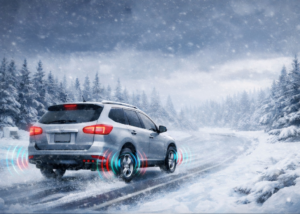
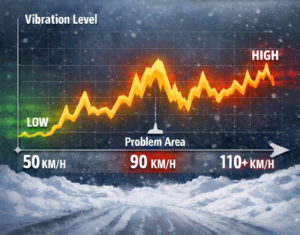
Your wheels are carefully balanced to spin evenly at speed. When snow or ice builds up inside a wheel, it throws that balance off.
As a result, you may notice:
Steering wheel shaking between 80–110 km/h (50–70 mph)
A vibration felt through the seat or floor
A sensation similar to an unbalanced tire
Because the buildup is often uneven, even a relatively small amount of ice can create a noticeable vibration—especially at highway speeds.

Why It’s More Common in Winter
This issue tends to come and go throughout the winter season due to:
Freeze-thaw cycles – Snow melts slightly, refreezes, and accumulates
Slushy road conditions – Wet snow sticks more easily inside wheels
Cold parking conditions – Ice hardens while the vehicle is parked
Drivers may find that vibrations disappear after parking in a heated garage or during warmer daytime temperatures, only to return after another snowy drive.

Is It Harmful to Your Vehicle?
In most cases, snow-related wheel imbalance is temporary and not mechanically damaging. However, prolonged vibration can contribute to:
Accelerated tire wear
Added stress on suspension and steering components
Reduced driving comfort and confidence
If vibrations persist after the wheels are cleared or temperatures rise, it may indicate a separate issue such as a lost wheel weight or tire imbalance that should be inspected.
How to Fix and Prevent Winter Wheel Vibrations
Quick Fixes
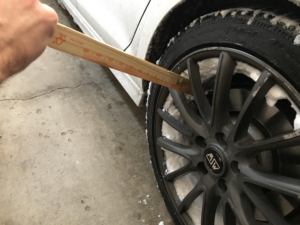
Knock snow and ice out of wheels using a gloved hand or a paint stir stick
Rinse wheels with warm (not hot) water if conditions allow
Park in a heated garage to melt ice buildup
Preventative Tips
Clean wheels regularly during winter
Consider winter wheels with a more closed design
Avoid letting heavy snow pack into wheels when parking
Have tires inspected if vibrations become frequent
When to Get It Checked
If you notice:
Vibrations that don’t go away after clearing snow
Shaking that worsens over time
Pulling, clunking, or unusual noises
It’s best to have the vehicle inspected by a professional to rule out tire balance, wheel damage, or suspension concerns.

Final Thoughts
Snow and ice buildup in wheels is one of the most common winter driving annoyances—and one of the easiest to overlook. Understanding what causes it can save you unnecessary worry and help you quickly identify when a vibration is just winter doing its thing versus a problem that needs attention.
Staying proactive with winter maintenance and inspections will keep your ride smoother, safer, and more comfortable all season long.


