
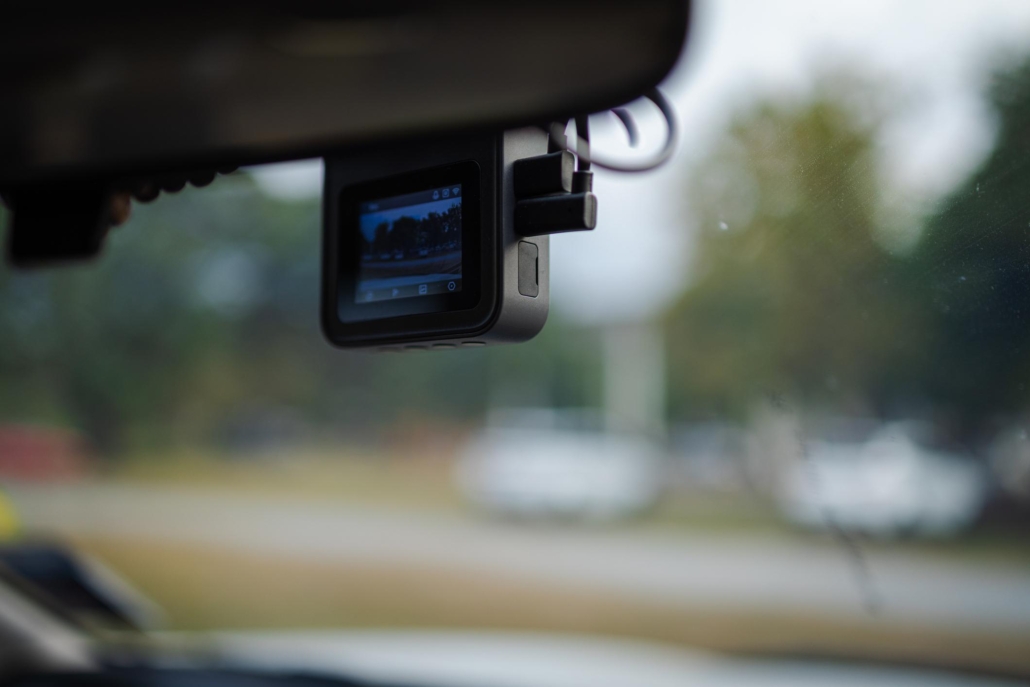
Why Every Driver Should Consider a Dashcam
In today’s driving environment — from congested Edmonton commutes to unpredictable winter road conditions — a dashcam is no longer a “nice-to-have” accessory. It’s a practical, risk-management tool that protects drivers legally, financially, and personally.
Whether you’re running a lifted F-150, a daily commuter SUV, or a work truck outfitted for Alberta job sites, here’s a technical breakdown of why a dashcam matters and what features you should evaluate before purchasing one.
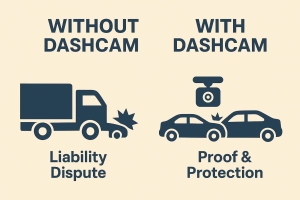
Accident Protection & Insurance Support
A dashcam provides timestamped, real-time video documentation. In the event of:
Rear-end collisions
Intersection disputes
Hit-and-run incidents
Fraudulent “brake check” claims
Video footage removes ambiguity. Insurance providers increasingly accept dashcam footage as supporting evidence, which can:
Speed up claim resolution
Protect against false liability
Reduce legal exposure
In winter-heavy regions like Alberta, where black ice and low visibility contribute to accidents, recorded footage can clarify fault when road conditions are questionable.
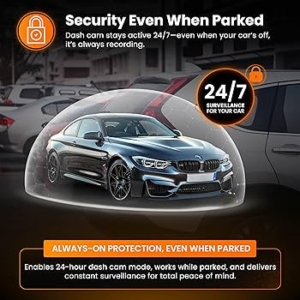
Protection While Parked
Parking Mode Surveillance
Higher-tier dashcams offer parking mode, which activates recording when:
Motion is detected
Impact sensors (G-sensors) trigger
Someone approaches the vehicle (advanced radar-based systems)
This is especially valuable for:
Mall or arena parking lots
Work trucks parked at job sites
Street parking in residential areas
If someone dings your door and drives off, the camera may capture a license plate or identifiable details.
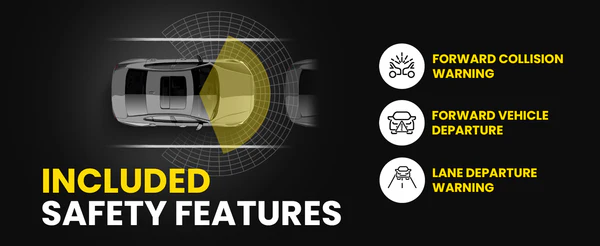
Enhanced Driving Awareness
Modern dashcams often include:
GPS tracking – Records vehicle speed and location.
ADAS alerts – Lane departure and forward collision warnings.
Interior cabin cameras – Useful for rideshare or fleet vehicles.
WiFi/Bluetooth connectivity – Download footage instantly to your phone.
For fleet operators or commercial vehicles, dual-channel systems (front + interior or rear) improve driver accountability and operational transparency.
Dashcam Feature Breakdown: What to Look For
Not all dashcams are equal. Below is a structured comparison of common feature categories:
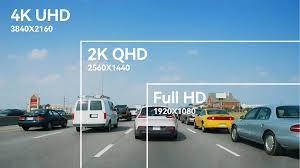
1. Video Resolution
| Resolution | Best for | notes |
|---|---|---|
| 1080p (Full HD) | Basic daily driving | Affordable, clear enough for most plates |
| 1440p (2K) | Higher clarity | Better detail in low light |
| 4K UHD | Maximum detail | Ideal for reading plates at distance |
Higher resolution = better evidence quality, especially at highway speeds.
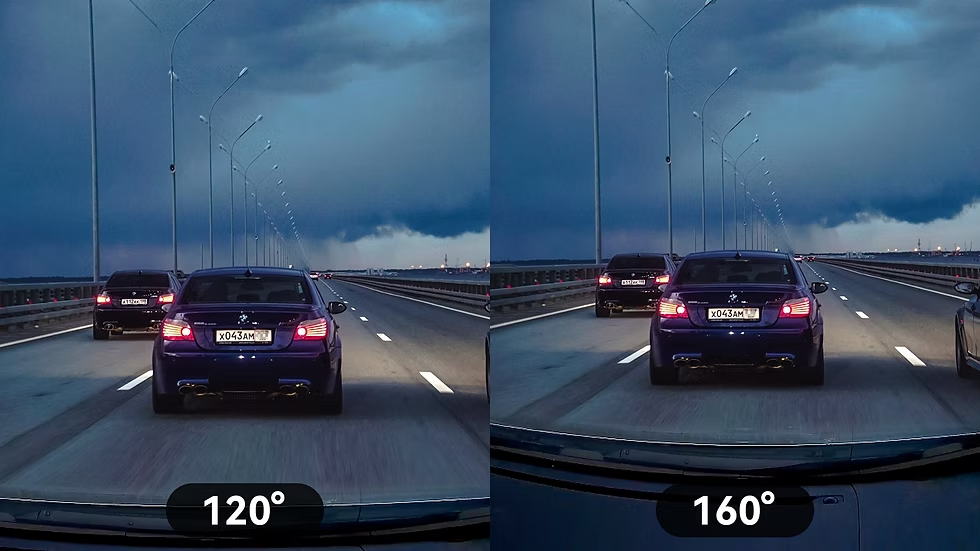
2. Field of View (FOV)
120°–140°: Standard coverage
160°–180°: Wide angle (captures adjacent lanes)
Be cautious of extreme wide-angle distortion — quality optics matter more than just angle specs.
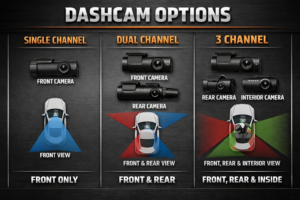
3. Single vs Dual vs 3-Channel Systems
Single Channel – Front-facing only
Dual Channel – Front + Rear
3-Channel – Front + Rear + Interior
Dual channel systems are ideal for:
Highway commuters
Larger trucks and SUVs
Lifted vehicles with limited rear visibility
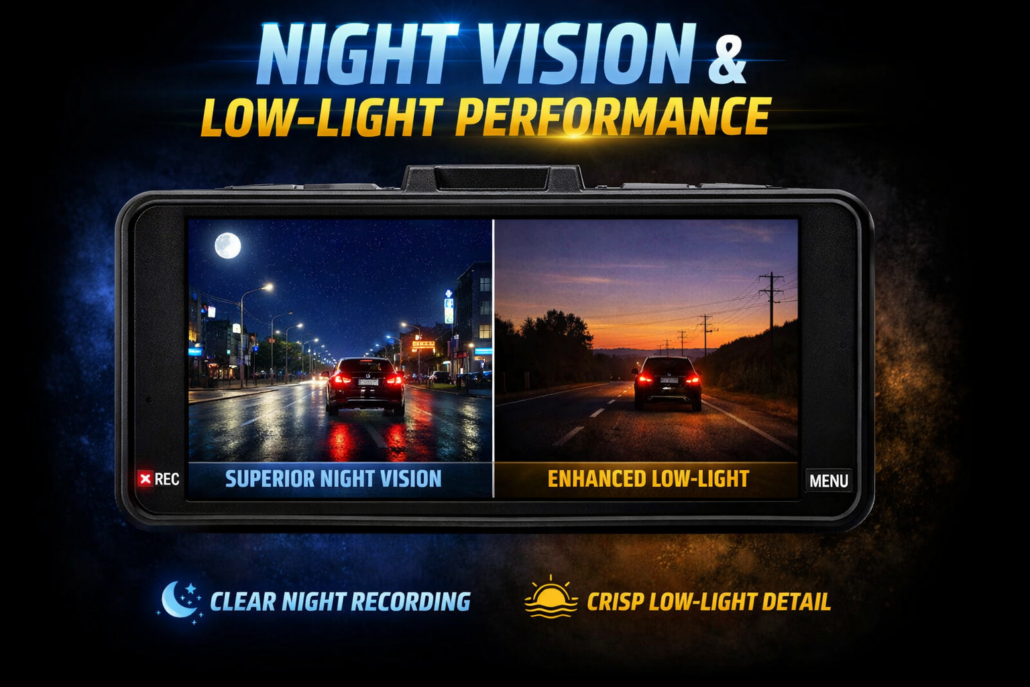
4. Night Vision & Low-Light Performance
Look for:
Sony STARVIS sensors
HDR (High Dynamics Range)
WDR (Wide Dynamic Range)
These improve plate readability in:
Snow glare
Rain
Low-light urban streets
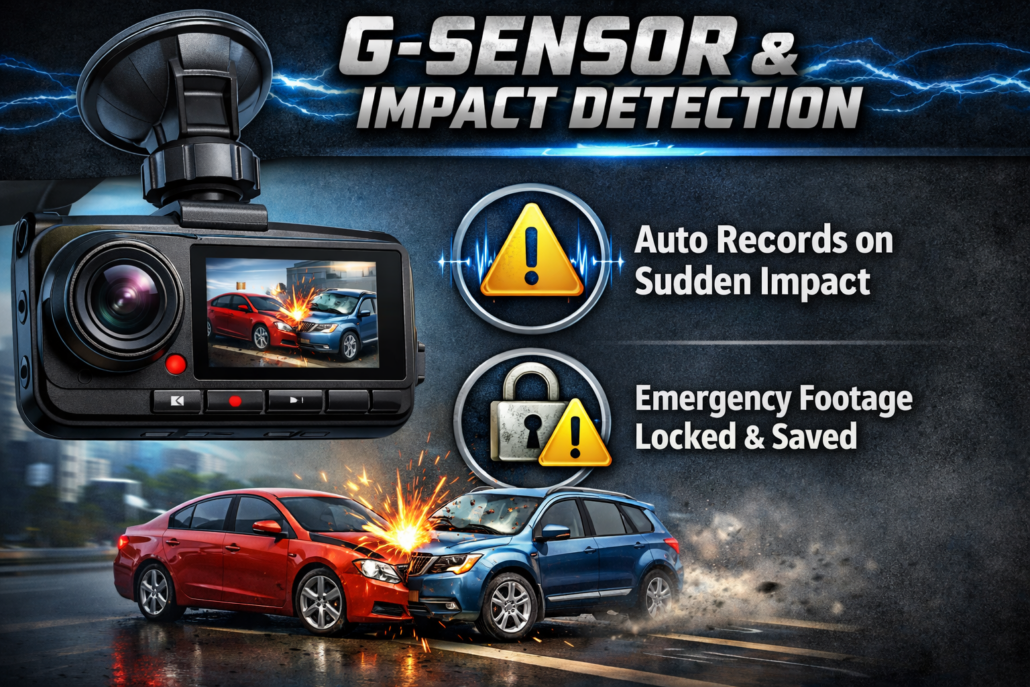
5. G-Sensor & Impact Detection
An internal accelerometer locks and protects footage when sudden deceleration or impact is detected. This prevents overwriting critical accident clips.
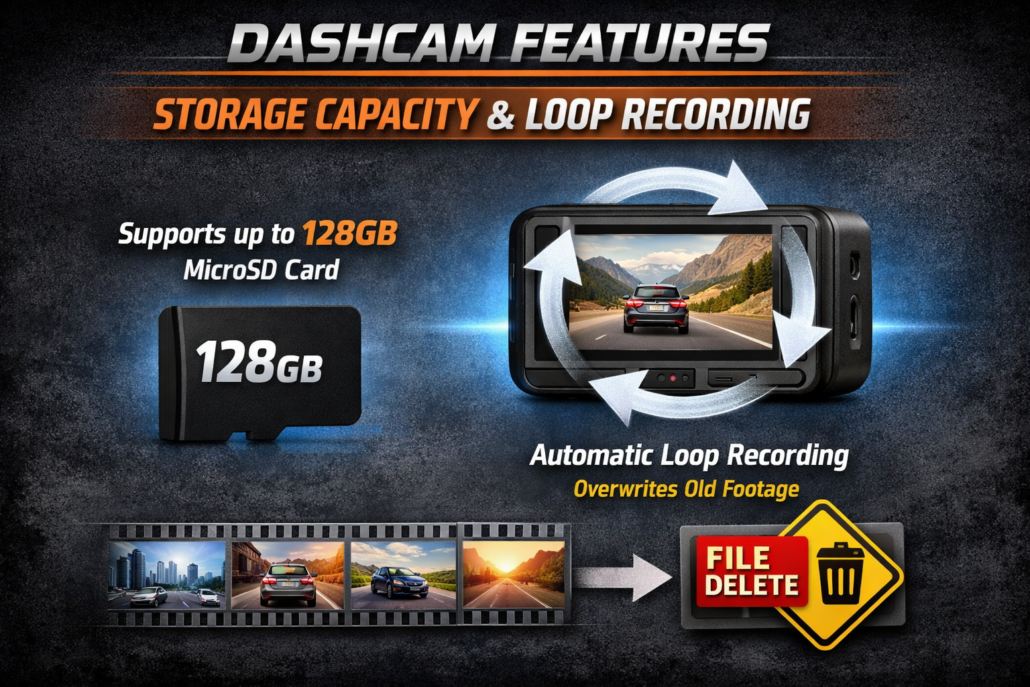
6. Storage Capacity & Loop Recording
Dashcams record continously and overwrite old footage unless:
An event is locked
Manual save is activated
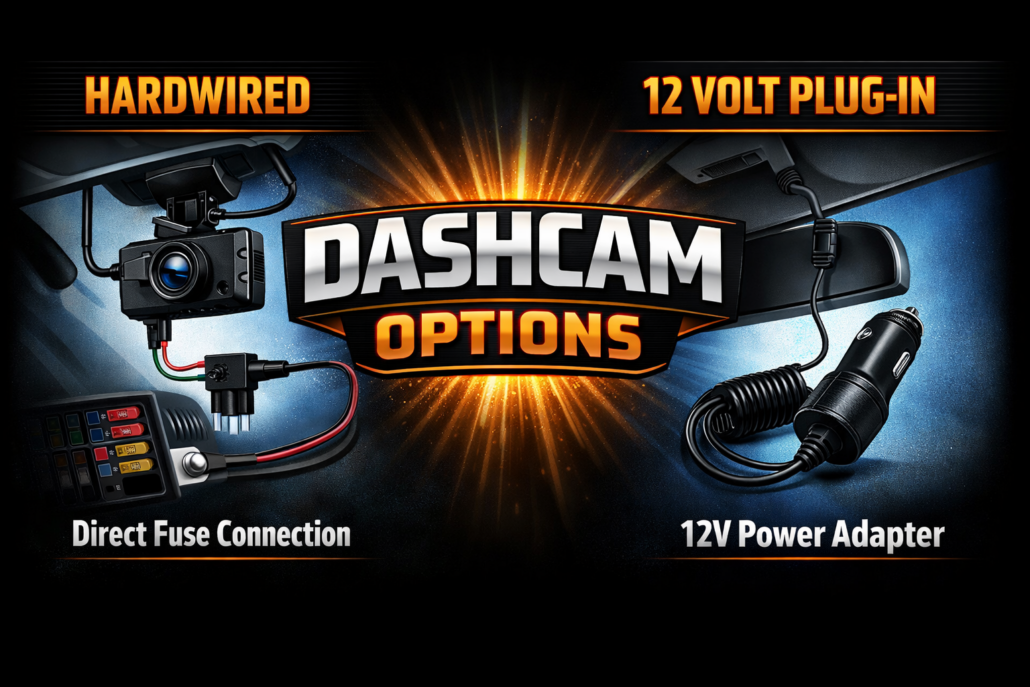
7. Hardware Kit vs 12V Plug In
Plug-In (Cigarette Port)
Easier install
No parking mode (in most cases)
Hardwired
Enables parking mode
Cleaner install (no visible wires)
Requires professional installation of proper fuse tap connection
For customers wanting a factory-clean look, hardwiring is the recommended solution.
Who Benefits Most from a Dashcam?
Daily commuters on Anthony Henday or Whitemud
Lifted truck owners with blind spots
Parents with new drivers
Commercial vehicle operators
Rideshare drivers
Off-road enthusiasts documenting trail runs
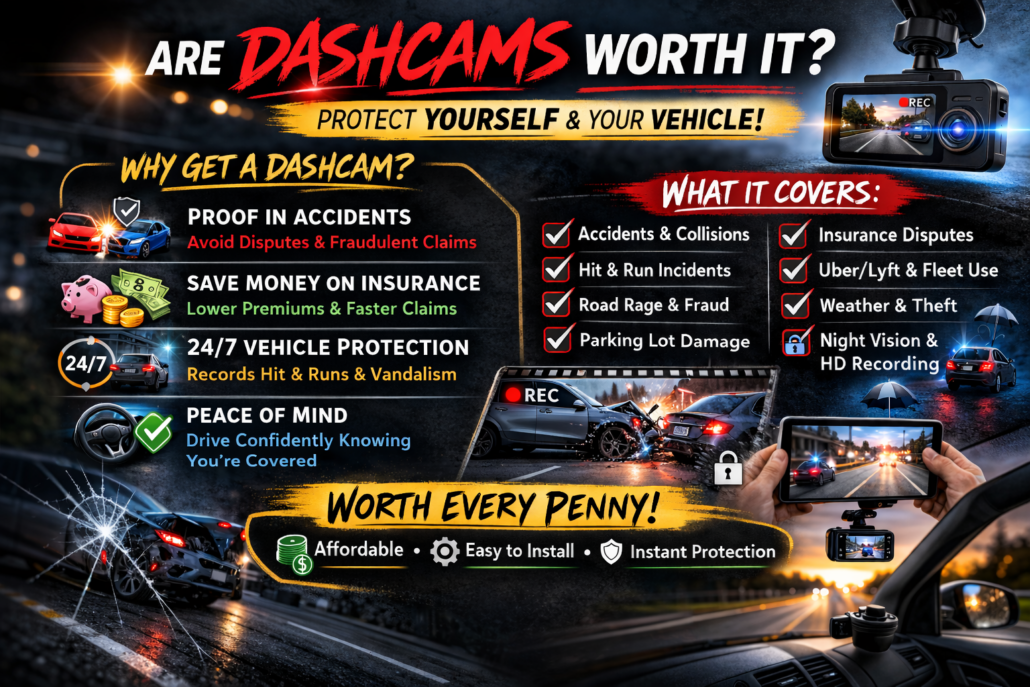
Is a Dashcam Worth It?
From a cost-benefit standpoint, absolutely.
A quality dashcam system typically costs less than:
An insurance deductible
One minor at-fault claim
One disputed traffic violation

Final Thoughts
A dashcam is not about expecting the worst — it’s about being prepared for it.
With Alberta’s changing weather, high-traffic corridors, and busy commercial environments, having documented proof of events can be the difference between a smooth claim process and months of disputes.
If you’re considering adding a dashcam to your truck or SUV, evaluate your driving habits, parking environment, and whether you’d benefit from single or multi-channel coverage. Need help selecting the right setup for your vehicle? A properly installed, hardwired system ensures full functionality and clean integration — especially important in modern vehicles with advanced electrical systems.