
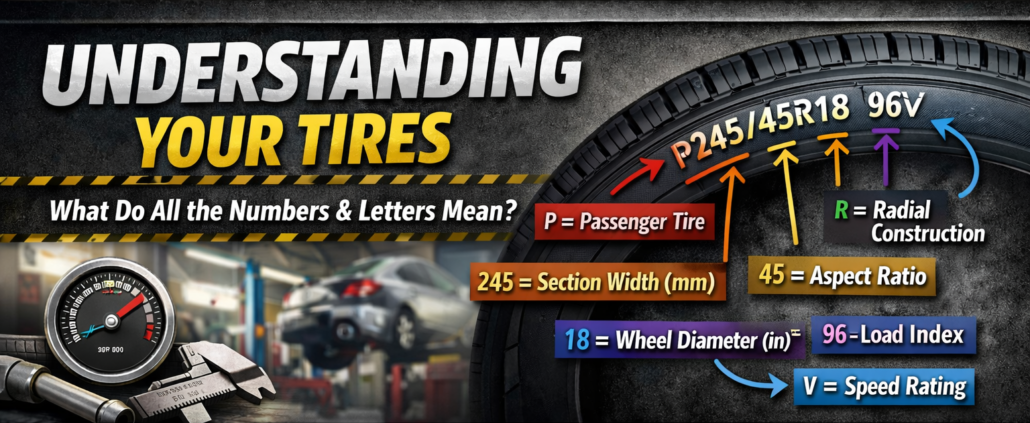
Understanding Your Tires
What All Those Numbers and Letters Actually Mean
Your tires do far more than just keep your vehicle rolling down the road. They affect your vehicle’s handling, fuel economy, ride comfort, braking ability, and safety.
However, when you look at the sidewall of a tire, it can feel like you’re reading a secret code — numbers, letters, and symbols that most drivers don’t understand.
In this guide, we’ll break down what those tire markings mean, how to read them, and why they matter when choosing the right tires for your vehicle.
Why Tire Information Matters
Choosing the correct tire for your vehicle isn’t just about size. Each tire contains critical information about:
Load capacity
Speed capability
Tire construction
Weather performance
Manufacturing details
Understanding these markings helps ensure you’re running safe, properly rated tires for your vehicle and driving conditions — especially important for Canadian drivers dealing with rain, snow, and extreme temperature changes.
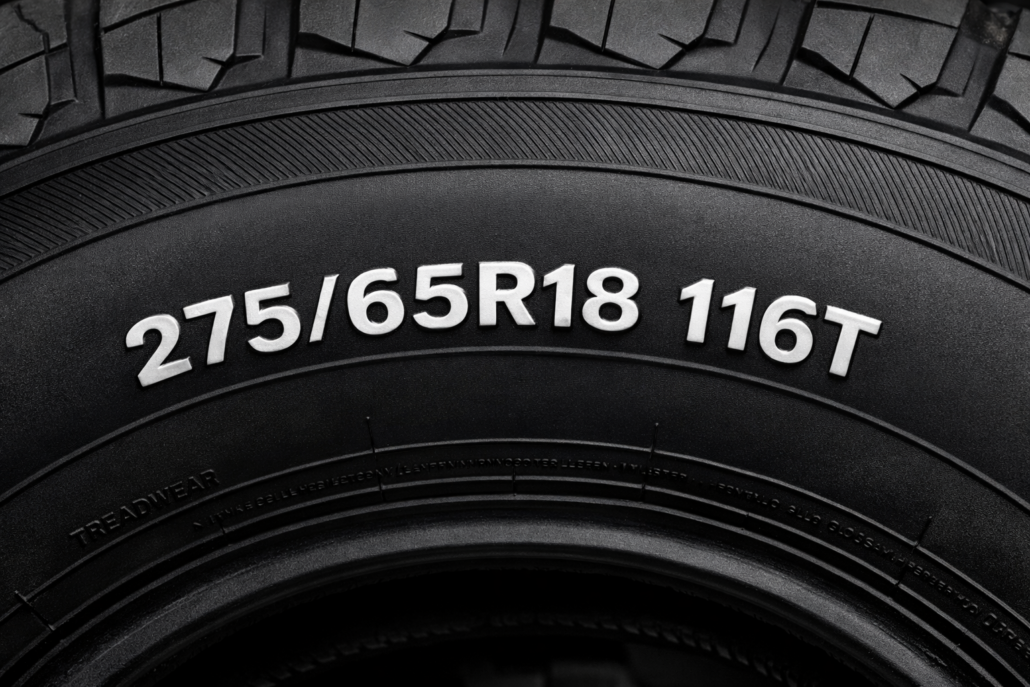
How to Read a Tire Size
Most passenger tires use a format similar to this:
Example: 275/65R18 116T
Each part of that code provides specific information about the tire.
| Tire Width (275) | ASPECT RATIO (65) | TIRE CONSTRUCTION (R) | WHEEL DIAMETER (18) |
|---|---|---|---|
| The first number represents the tire width in millimeters, measured from sidewall to sidewall. | The second number is the aspect ratio, which represents the height of the sidewall as a percentage of the tire width. | The letter indicates how the tire is built. | This number indicates the diameter of the wheel the tire fits, measured in inches. |
| 275 = 275 mm wide | 65 means the sidewall height is 65% of the tire width. | R = Radial Construction | 18 = Fits an 18-inch wheel |
| Wider tires typically provide: ✔ Better grip ✔ Improved handling ✔ More aggressive appearance However, they can sometimes reduce fuel efficiency or increase road noise. | Lower aspect ratios mean: • Shorter sidewalls • Sportier handling • Firmer ride Higher aspect ratios mean: • Taller sidewalls • More comfort • Better impact absorption | Radial tires are standard today because they provide: ✔ Better durability ✔ Improved traction ✔ Longer tread life ✔ Better fuel efficiency | This must match your wheel size exactly. |
Understanding Load Index
After the size, you’ll usually see a load index number.
Example: 116
This number represents the maximum weight the tire can support when properly inflated.
For example: 116 = 2,756 lbs per tire
For trucks and SUVs, choosing a tire with the proper load rating is especially important when:
Towing
Hauling cargo
Running accessories like campers or racks
Speed Rating
The final letter indicates the maximum safe speed rating for the tire.
Example: T
Common speed ratings include:
Rating Max Speed
| Q | 160 km/h |
| S | 180 km/h |
| T | 190 km/h |
| H | 210 km/h |
| V | 240 km/h |
| W | 270 km/h |
Most trucks and SUVs typically use S, T, or H rated tires.
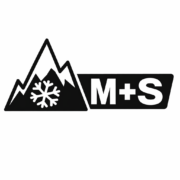
M+S vs Winter Tires
You’ll often see these markings on tires:
M+S (Mud and Snow)
This means the tire has a tread pattern designed to perform better in light snow and muddy conditions.
However, it is not a true winter tire.

3-Peak Mountain Snowflake
This symbol indicates a certified winter tire that meets strict snow traction testing standards.
Winter tires provide:
✔ Better grip in snow
✔ Improved braking on ice
✔ Softer rubber compounds for cold weather
In Alberta winters, this symbol is the best indicator of a true winter tire.
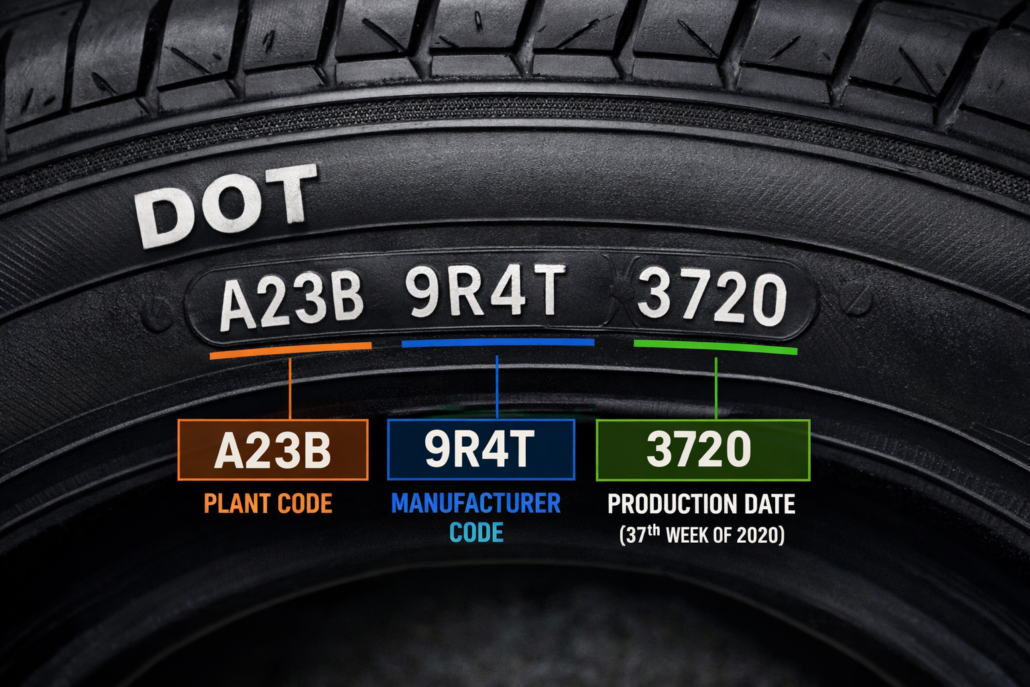
DOT Code: Tire Manufacturing Date
Every tire has a DOT code that indicates where and when it was manufactured.
Example: DOT X1AB 4523
The last four numbers represent the week and year the tire was produced.
Example: 4523 = 45th week of 2023
Even if tread looks good, tires generally should be replaced after 6–10 years due to rubber degradation.
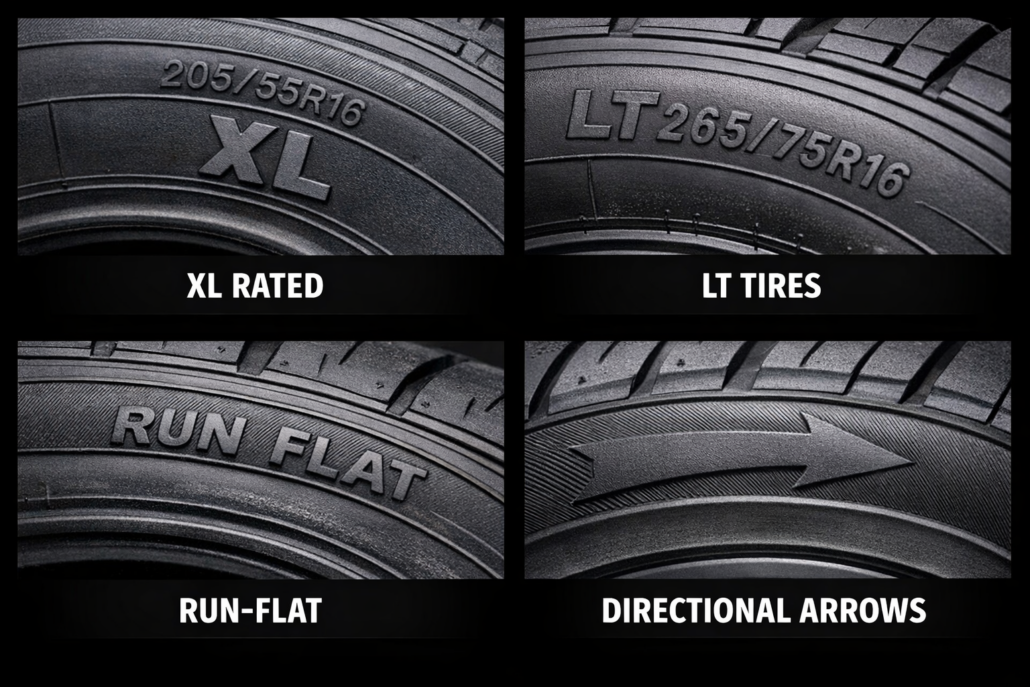
Other Tire Markings You May See
XL or Extra Load
Designed to carry higher loads at higher inflation pressures.
LT (Light Truck)
Built for trucks, SUVs, and heavy-duty applications with stronger construction.
Run-Flat
Allows you to drive a limited distance after losing air pressure.
Directional Arrows
Indicates the tire must rotate in a specific direction for proper performance.
Choosing the Right Tires for Your Vehicle
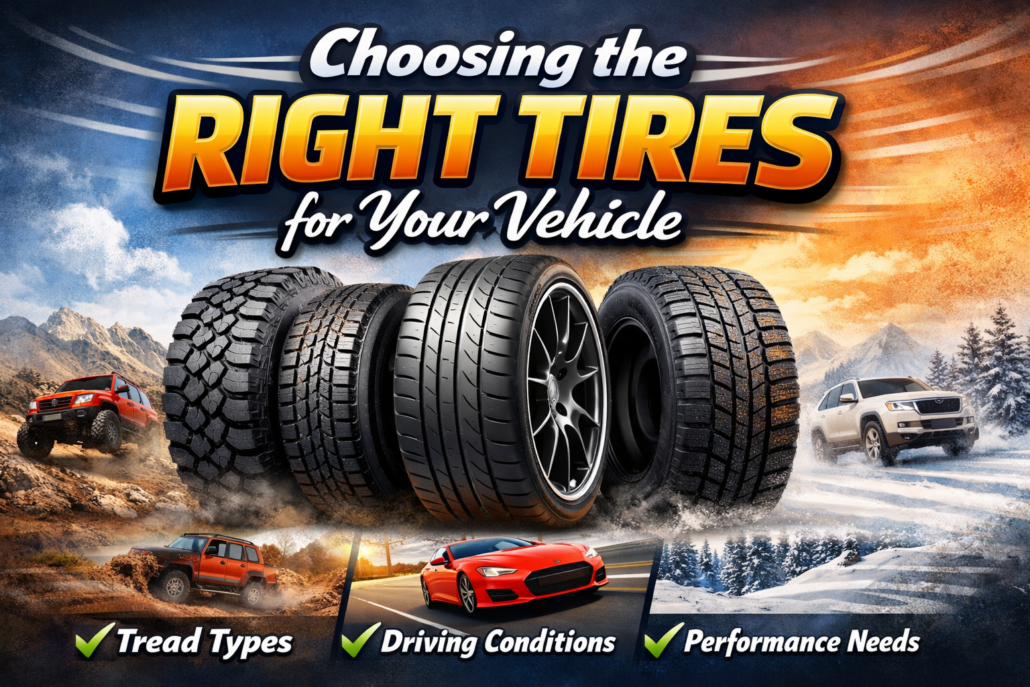
When selecting tires, several factors should be considered:
Vehicle type
Driving habits
Weather conditions
Load requirements
Off-road vs highway driving
Truck owners often upgrade tires when installing:
Lift kits
Leveling kits
Off-road wheels
Overlanding setups
Choosing the correct tire size and rating ensures your vehicle performs safely and efficiently.
Need Help Choosing the Right Tires?
At Those Guys Garage, we help drivers find the right tires for their vehicle and driving style. Whether you’re looking for all-terrain tires, winter tires, or an aggressive off-road setup, our team can help you choose the right combination for performance and safety.
If you’re unsure what tire size or rating is best for your vehicle, stop by the shop or contact us and we’ll help you get rolling with confidence.
✔ Book your appointment today
✔ Upgrade your tires with confidence
✔ Drive safer in every season


