
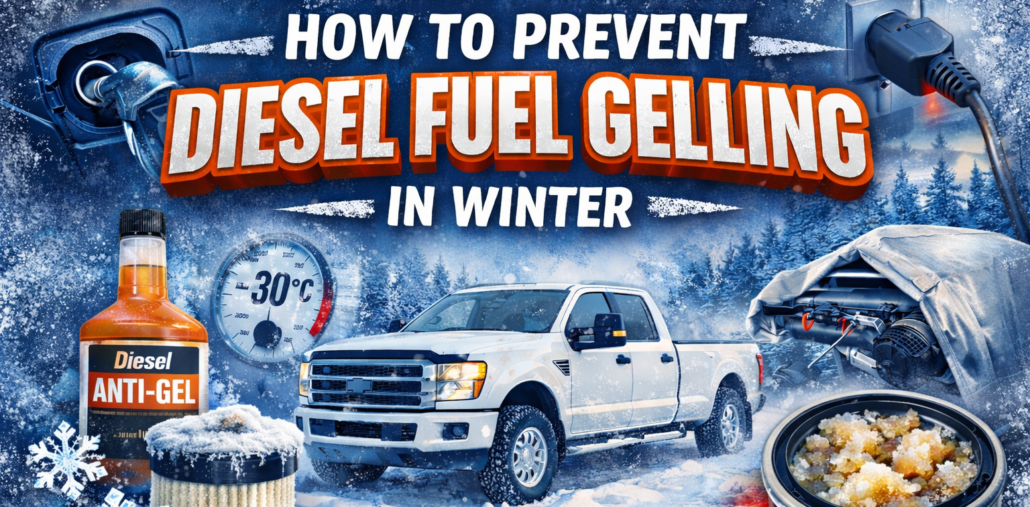
How to Prevent Diesel Fuel Gelling in Winter
Winter Diesel Tips for Alberta Drivers
When temperatures drop in Alberta, diesel vehicle owners face a common cold-weather challenge: diesel fuel gelling. If diesel fuel gels, it can clog fuel filters, restrict fuel flow, and potentially leave your truck unable to start — usually at the worst possible time.
For diesel truck owners in the Sherwood Park and Edmonton area, understanding how diesel fuel behaves in cold temperatures and how to prevent gelling can save you from costly repairs and frustrating winter breakdowns.
What is Diesel Fuel Gelling?
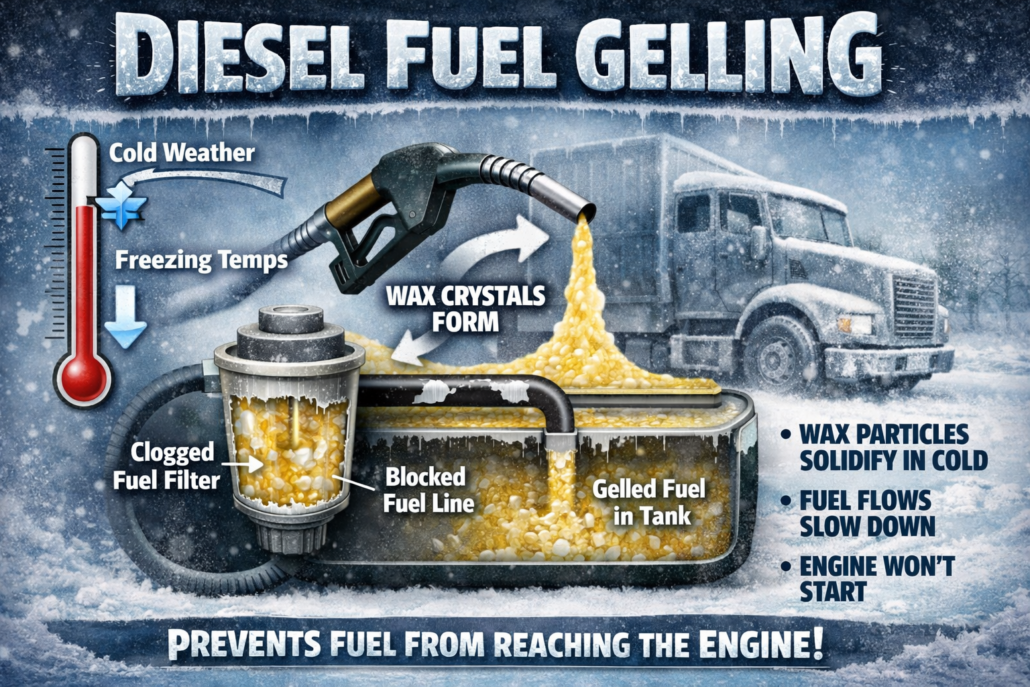
Diesel fuel contains paraffin wax, which helps with lubrication and energy density. When temperatures drop far enough, the wax begins to solidify and form crystals.
As temperatures continue falling, these crystals grow and eventually clog the fuel filter and restrict fuel flow.
Typical temperature points include:
Cloud Point: Wax crystals begin forming (fuel looks cloudy)
Cold Filter Plugging Point (CFPP): Wax blocks the fuel filter
Pour Point: Fuel becomes too thick to flow
In Alberta winters, temperatures frequently drop below -20°C to -30°C, which means untreated diesel fuel can gel quickly.
Signs Your Diesel Fuel Is Starting to Gel
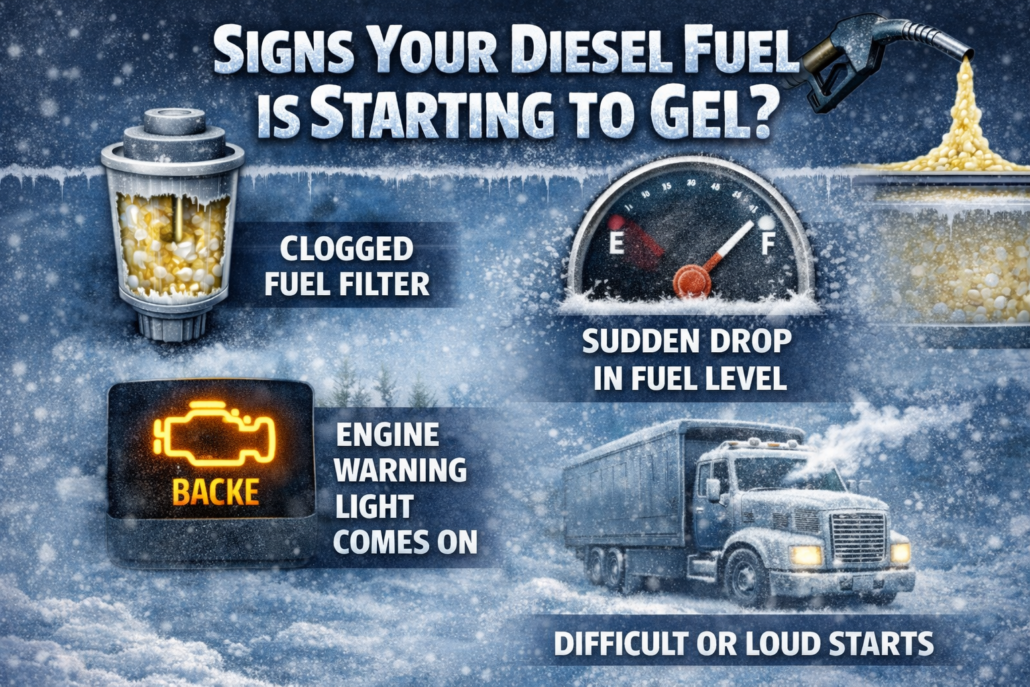
If your diesel fuel is gelling, you may notice several symptoms before a full breakdown occurs.
Common warning signs include:
Hard starting in cold weather
Loss of engine power
Rough running or sputtering
Fuel filter clogging
Engine stalling shortly after startup
If the fuel fully gels, your truck may not start at all.
Use Winter Diesel Fuel
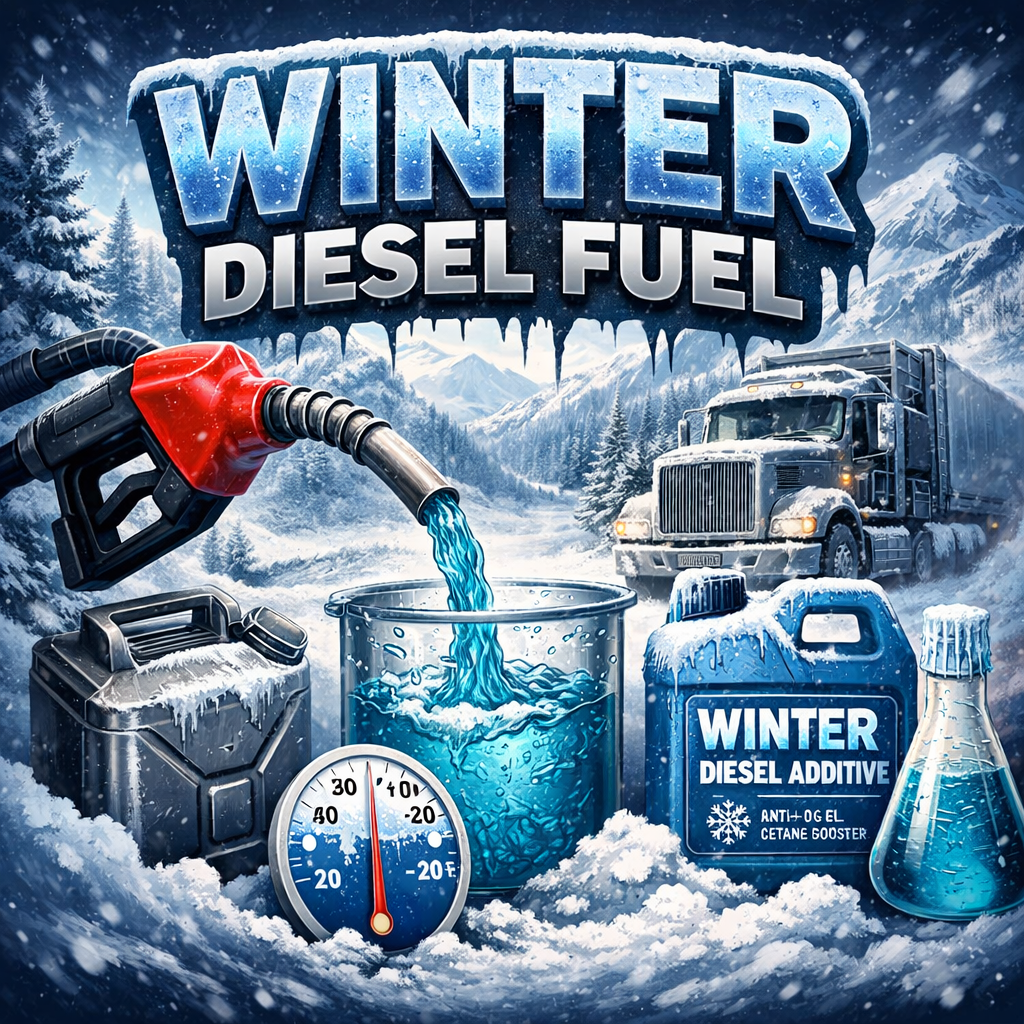
Most fuel stations in Canada switch to winter diesel blends during colder months.
Winter diesel typically contains:
Additives that lower the cold filter plugging point
A blend of No.1 diesel and No.2 diesel
Anti-gel additives
However, winter diesel alone may not always be enough during extreme cold snaps, especially when temperatures fall below -30°C.
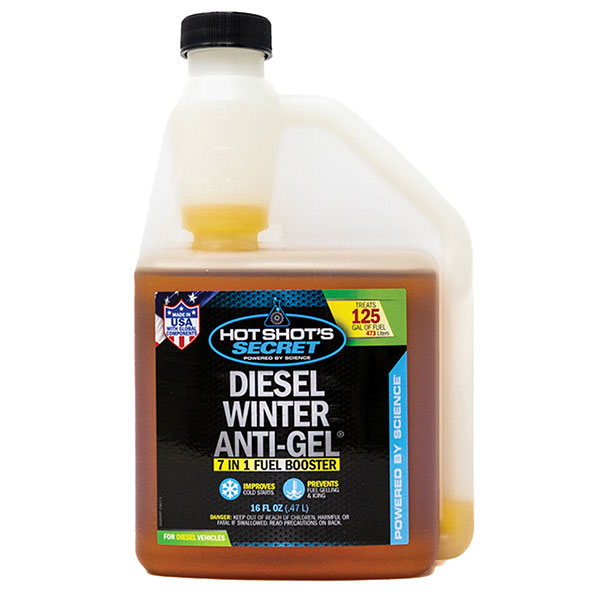
Add a Diesel Anti-Gel Treatment
One of the best preventative measures is adding a diesel fuel treatment designed for winter conditions.
Quality winter diesel additives can:
Prevent wax crystal formation
Improve cold starting
Protect fuel injectors and pumps
Improve fuel lubrication
Stabilize fuel during long storage periods
Many diesel truck owners in Alberta use additives regularly during winter months to provide extra protection beyond standard pump diesel.
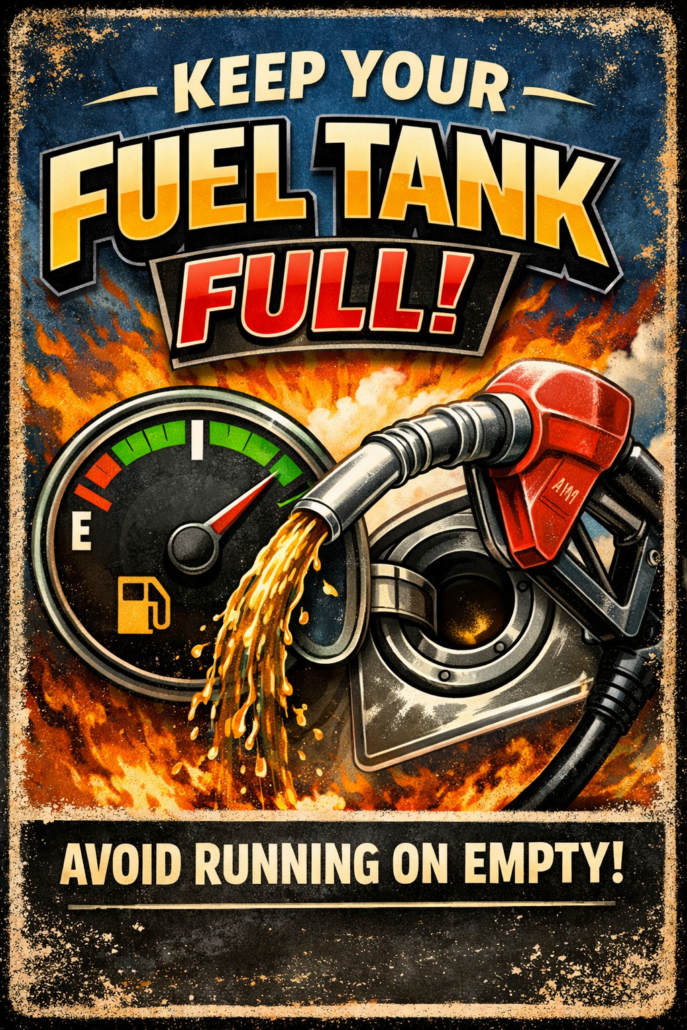
Keep Your Fuel Tank Full
Condensation can form inside partially empty fuel tanks during cold weather.
Water contamination in diesel fuel can:
Freeze in fuel lines
Block fuel filters
Cause injector issues
Keeping your tank at least half full (preferably full) reduces the amount of air inside the tank and minimizes condensation.

Replace Your Fuel Filter Regularly
Fuel filters play a critical role in protecting your diesel system.
A dirty or partially clogged fuel filter can freeze faster and worsen gelling problems.
For diesel trucks operating in cold climates like Alberta:
Follow manufacturer fuel filter intervals
Replace filters before winter if they are near service time
Carry a spare filter during long winter trips
A fresh filter allows fuel to flow properly and reduces the chance of winter fuel issues.
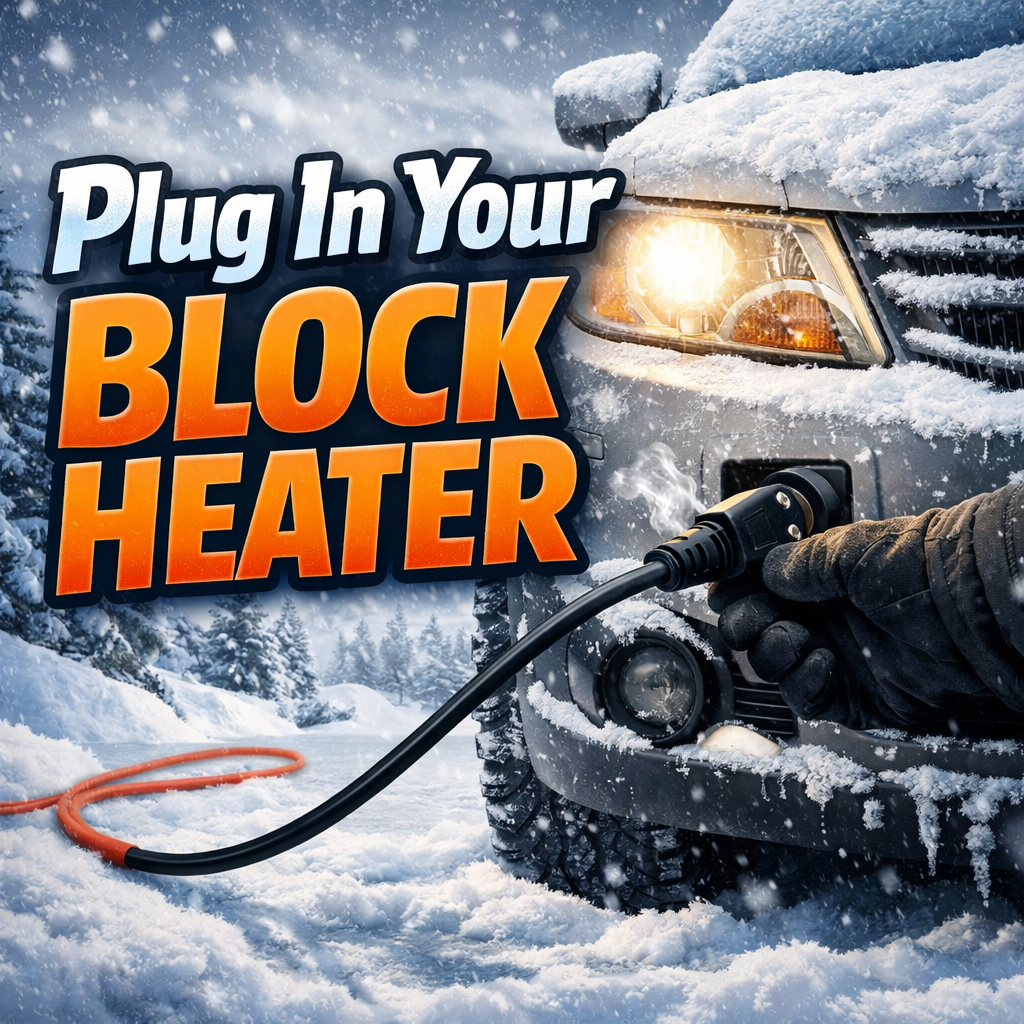
Plug in Your Block Heater
Most diesel trucks are equipped with block heaters, and using them during winter makes a big difference.
Plugging in your truck helps:
Keep engine oil warm
Improve cold starts
Reduce engine wear
Assist with fuel flow in extreme cold
In Alberta winters, many drivers plug in their diesel trucks whenever temperatures drop below -15°C.
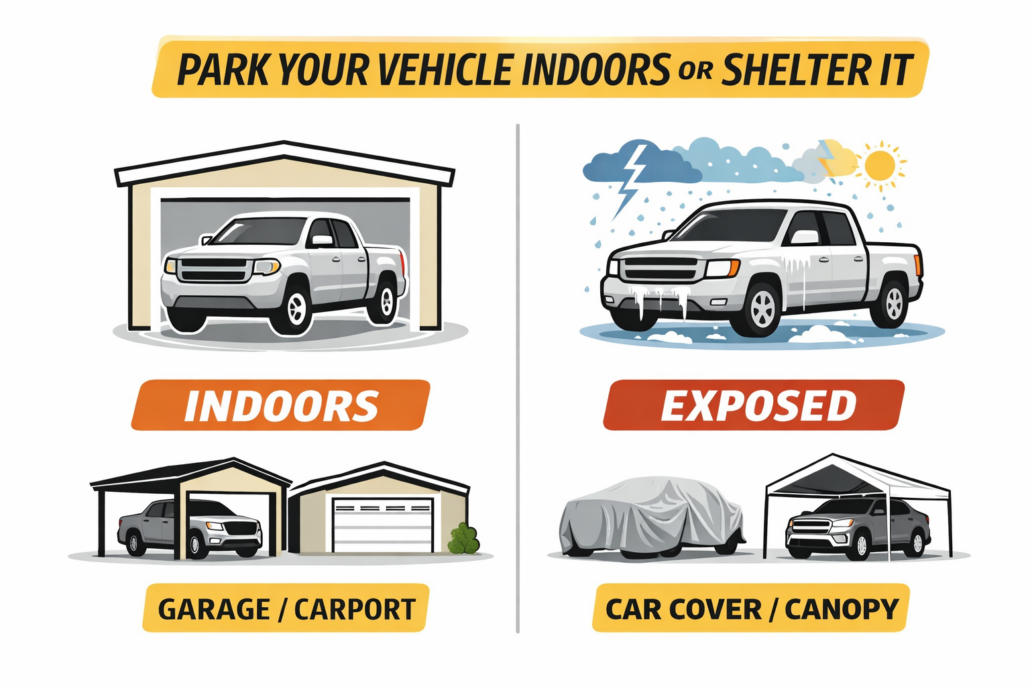
Park Indoors or Shelter Your Truck
Whenever possible, park in a garage or sheltered area.
Even a few degrees of warmth can make a difference in preventing diesel fuel issues.
If indoor parking isn’t available:
Park out of the wind
Use a vehicle cover
Consider insulated engine blankets
These steps help maintain engine and fuel system temperatures.
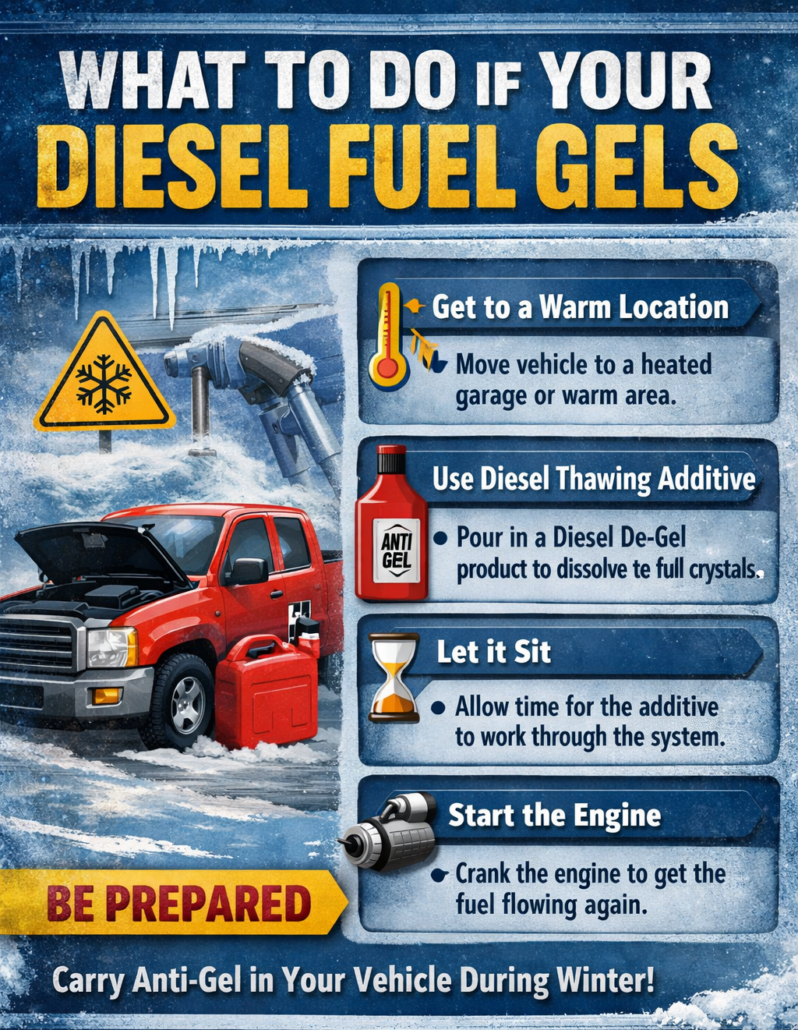
What To Do If Your Diesel Fuel Gels
If your diesel fuel has already gelled, avoid repeatedly cranking the engine, as this can damage components.
Instead:
1. Move the vehicle to a warm location if possible
2. Replace the fuel filter if clogged
3. Add a diesel emergency de-gelling treatment
4. Allow time for the fuel to warm and liquefy
In severe cases, professional service may be required to restore fuel flow.
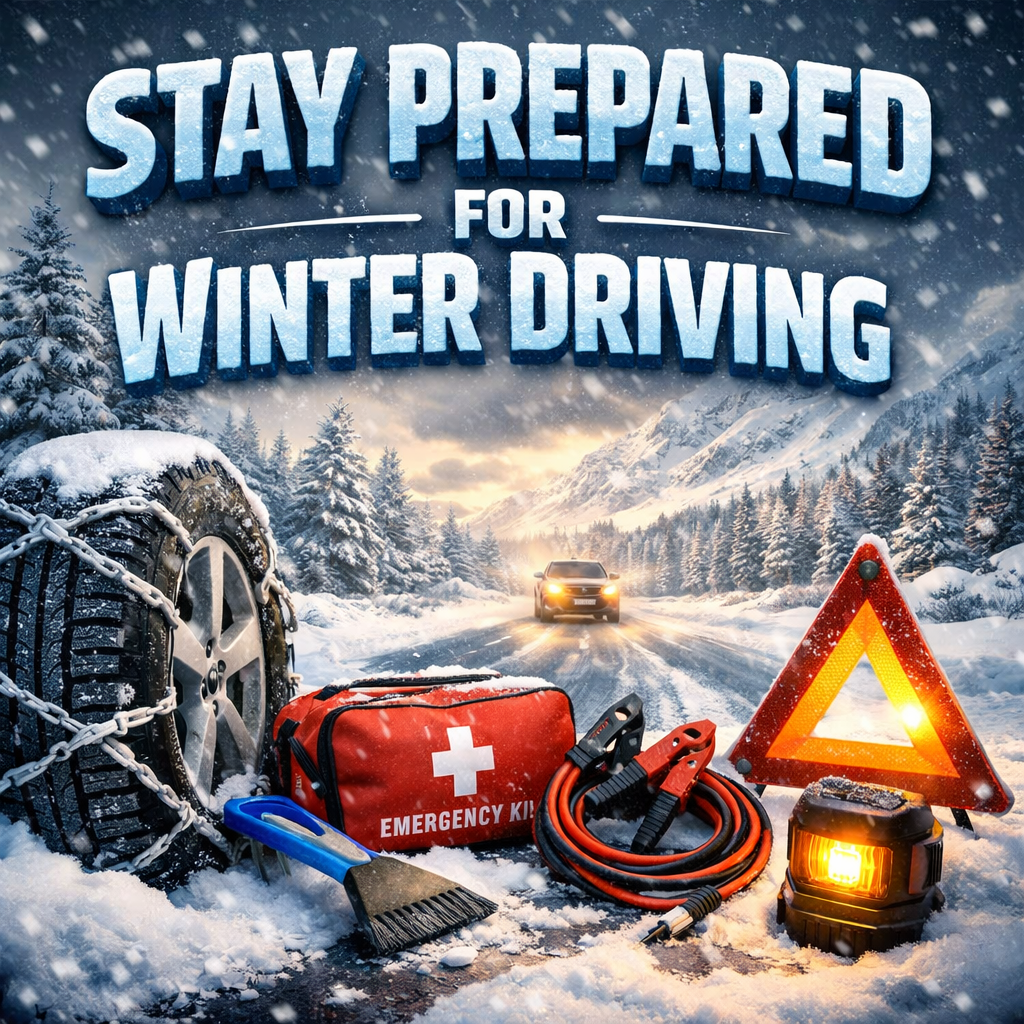
Stay Prepared for Winter Driving
Diesel trucks are extremely capable in harsh climates, but cold weather requires proper preparation.
Preventing diesel fuel gelling comes down to a few simple habits:
Use winter diesel fuel
Add a quality anti-gel treatment
Keep your tank full
Maintain your fuel filters
Plug in your block heater
Taking these preventative steps will help ensure your diesel truck starts reliably — even during the coldest Alberta mornings.
Need Help Preparing Your Diesel Truck for Winter?
At Those Guys Garage in Sherwood Park, we help diesel owners stay ready for Alberta’s toughest winters.
Our services include:
Diesel fuel system inspections
Fuel filter replacement
Winter vehicle maintenance
Diesel performance accessories and treatments
If you want to keep your diesel running strong all winter long, book your appointment today and let our team help you stay ahead of the cold.


