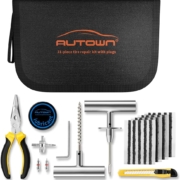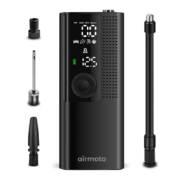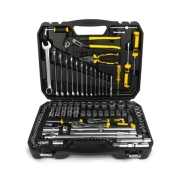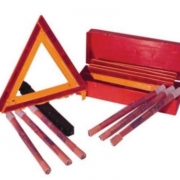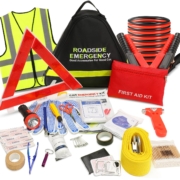
Essential Emergency Car Kit Items:

Be Prepared for Any Situation

When it comes to driving, safety should always be your top priority—especially when the unexpected happens. Whether you’re commuting across town or heading out on a long road trip, having a well-stocked emergency car kit can be the difference between a minor inconvenience and a major disaster. Here’s a comprehensive guide to the essential items you should always keep in your vehicle to stay prepared for any situation.


1. First Aid Kit

Injuries can happen anywhere, especially on the road. A basic first aid kit should include:

Adhesive bandages (various sizes)
Antiseptic wipes and ointment
Gauze pads and adhesive tape
Tweezers and scissors
Pain relievers
Emergency blanket
CPR face shield

This kit can handle everything from minor scrapes to stabilizing injuries until help arrives.


2. Jumper Cables or Jump Starter

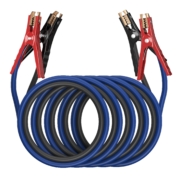
Dead batteries are one of the most common roadside issues. Jumper cables are essential if you rely on help from another vehicle. For added independence, consider a portable jump starter with built-in safety features and USB charging capabilities.


3. Flashlight and Extra Batteries

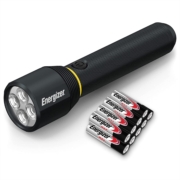
If you break down at night, a flashlight becomes a vital tool. Choose a durable LED flashlight and pack extra batteries—or go with a rechargeable version that can double as a power bank.


4. Tire Repair Tools / Portable Air Compressor

A flat tire is inconvenient but manageable with the right tools:

Tire inflator/sealant
Portable air compressor
Lug wrench
Tire pressure gauge
Spare tire in good condition

Familiarize yourself with how to use these tools before an emergency strikes.


5. Basic Toolkit

A compact tool kit can help with minor repairs. Include:

Screwdrivers (flathead and Phillips)
Pliers and wrench
Duct tape
Zip ties
Multi-tool


6. Reflective Triangles and Road Flares

These items alert oncoming traffic if you’re stranded on the side of the road, especially at night or in poor visibility conditions. They greatly enhance your safety by reducing the risk of a secondary accident.


7. Blanket, Gloves, and Warm Clothing

If you get stuck in cold weather, staying warm is crucial. Keep a thermal blanket, insulated gloves, and a hat or extra clothing layer in your kit—especially during winter months.


8. Non-Perishable Food and Water

Keep bottled water and high-energy snacks like granola bars, trail mix, or energy bars in your vehicle. This can be a literal lifesaver if you’re stuck for an extended period of time.


9. Phone Charger or Power Bank

Your smartphone is a vital lifeline in an emergency. Keep a car charger or portable power bank on hand to ensure you can always make a call, check a map, or access emergency services.


10. Important Documents and Emergency Contacts

Include copies of your vehicle registration, insurance information, and a list of emergency contacts. A written list is especially useful if your phone is dead or lost.


11. Ice Scraper and Shovel (Seasonal)

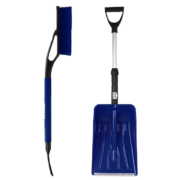
In colder climates, include an ice scraper, snow brush, and a compact shovel to deal with snow or ice build-up and help free your vehicle if you’re stuck.


12. Multi-Purpose Fire Extinguisher

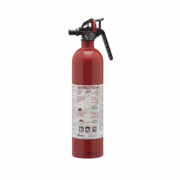
Small car-friendly extinguishers can put out electrical or engine fires before they become catastrophic. Be sure it’s rated for automotive use.


Be Proactive, Stay Safe

An emergency car kit isn’t just for doomsday scenarios—it’s a smart, proactive measure that can save time, money, and even lives. Tailor your kit based on your location, climate, and how often you travel. Check it periodically to replace expired items and recharge batteries.

Drive smart. Stay prepared. Your future self will thank you.


The Impact of Weather on Car Batteries: Tips for All Seasons

When you turn the key or push the start button, you expect your vehicle to roar to life. But few things are as frustrating as being stuck with a dead battery—especially when weather plays a role. Temperature extremes, both hot and cold, are some of the biggest culprits behind battery issues. Understanding how weather affects your car battery and taking the right precautions can help you stay on the road year-round.

How Weather Impacts Your Car Battery

Cold Weather

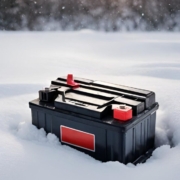
Slower Chemical Reactions: Car batteries generate electricity through chemical reactions. In freezing temperatures, these reactions slow down, reducing your battery’s ability to provide the necessary power.

Thicker Engine Oil: Cold weather also thickens engine oil, making it harder for the starter to crank the engine, which requires more energy from your battery.

Accessory Demands: Heaters, defrosters, heated seats, and wipers all draw extra power when it’s cold, further taxing the battery.

Hot Weather

Increased Fluid Evaporation: Heat causes the water inside a battery’s electrolyte solution to evaporate faster, leading to reduced battery life.

Corrosion Acceleration: High temperatures speed up corrosion on battery terminals and connections, which can reduce efficiency.

Higher Under-Hood Temps: Prolonged exposure to heat under the hood puts stress on the battery and surrounding components.

Seasonal Transitions

It’s often during the change of seasons that weak batteries reveal themselves. A battery that survived a summer of extreme heat may fail as soon as the first cold snap hits, and vice versa.

Tips for Protecting Your Car Battery in Every Season

Have Your Battery Tested Regularly

Most batteries last 3–5 years, but it’s a good idea to test them at least twice a year—before winter and before summer.

Keep Terminals Clean

Check for corrosion or buildup on your battery terminals. Cleaning with a baking soda solution and a brush can improve connections.

Check for Secure Mounting

Vibrations can damage internal components. Ensure your battery is properly secured.

Limit Short Trips in Cold Weather

Frequent short drives don’t give your alternator enough time to recharge the battery. Try to combine errands or take longer drives occasionally.

Protect Against Heat

Park in shaded areas or garages when possible to limit heat exposure during summer.

Turn Off Accessories When Not in Use

Don’t leave lights, chargers, or electronics plugged in when your car is off—they can drain the battery faster, especially in extreme weather.

When to Replace Your Battery

If your car cranks slowly or struggles to start.
If you notice dim headlights or electrical issues.
If the battery is older than 3–5 years.

Being proactive can save you from unexpected breakdowns.

Final Thoughts

Your car battery doesn’t just fail out of nowhere—weather conditions often play a big role in its health. With regular checks and seasonal precautions, you can extend your battery’s life and avoid inconvenient surprises.

At Those Guys Garage, we provide battery testing, replacements, and full electrical diagnostics to keep your vehicle running strong—no matter the season. Stop by today for a quick check before the next big temperature swing catches you off guard.


The Benefits of Choosing a Local Auto Repair Shop

When your vehicle needs maintenance or repair, you’re often faced with a choice: head to a big-name dealership or trust a local auto repair shop. While dealerships can have their place, more and more drivers are discovering the many advantages of working with independent, community-based repair shops.

Here are some of the top benefits of choosing a local auto repair shop for your car or truck:

Personalized Service and Trust

Local shops thrive on relationships. When you bring your vehicle to a neighborhood garage, you’re not just another ticket number—you’re a valued customer. Technicians often take the time to get to know you, your vehicle, and your driving habits. This level of personal attention builds trust and ensures your car gets the specific care it needs.

Supporting Your Community

Choosing a local repair shop means your money stays close to home. Local businesses often support community events, sponsor sports teams, and contribute to the overall economy in your area. Every oil change or brake repair you do with them helps strengthen your community.

Competitive Pricing

Many people assume dealerships are the only option for quality service, but local repair shops often provide the same services—sometimes at a fraction of the cost. Independent garages typically have lower overhead, allowing them to pass the savings directly to customers without sacrificing quality.

Flexibility and Faster Turnaround

Local shops can be more flexible with scheduling, often fitting you in faster than a dealership with long wait times. Whether you need a same-day appointment or a quick fix, smaller shops are usually able to accommodate you quicker.

Experienced and Certified Technicians

Independent auto shops employ skilled, certified technicians who are trained to handle a wide variety of makes and models. Unlike dealerships that may specialize in one brand, local mechanics often have broad experience, giving them the know-how to fix nearly any vehicle that rolls into the bay.

Honest Recommendations

Local businesses depend heavily on reputation and word-of-mouth referrals. Because of this, you’re more likely to receive honest advice, straightforward pricing, and recommendations that put your best interests first—not just upsells.

Final Thoughts

Your vehicle is a major investment, and who you trust to service it matters. By choosing a local auto repair shop, you’re not only getting reliable service, but you’re also helping to support your community, save money, and enjoy a more personalized experience.

Next time your vehicle needs attention, consider skipping the dealership and giving your local shop a call—you may be pleasantly surprised by the difference.


Steps to Winter Prep for Your Vehicle

As the temperatures start to dip and the roads get slick, it’s time to start thinking about winter prep for your vehicle. Cold weather, snow, and ice can be tough on both your ride and your peace of mind. A little preparation now can help you avoid breakdowns, improve safety, and keep your vehicle running smoothly through the harshest months of the year.

Here are the key steps to get your vehicle winter-ready:

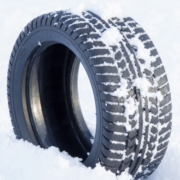
1. Swap to Winter Tires

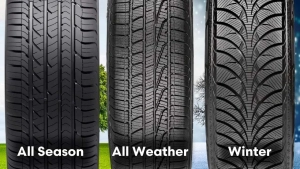
All-season tires just don’t cut it once the mercury drops. Winter tires are designed with special rubber compounds and tread patterns that grip cold, icy roads better. If you already have a set, check the tread depth (at least 5/32″) and look for any cracks or uneven wear.

Pro tip: Don’t forget to check your tire pressure frequently—cold air lowers PSI.

2. Test Your Battery

Cold weather is a battery killer. A weak battery that worked fine in summer might leave you stranded in January. Have your battery tested, and replace it if it’s nearing the end of its life. Also, clean the terminals and make sure the cables are snug.

3. Check Your Fluids

Oil: Depending on your vehicle and climate, consider a thinner winter-grade oil for easier cold starts.

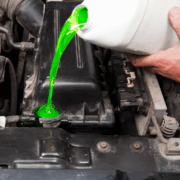
Antifreeze/Coolant: Make sure it’s topped up and mixed properly to prevent freezing.

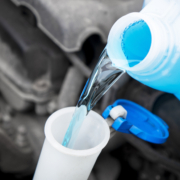
Windshield Washer Fluid: Switch to a winter formula that won’t freeze on contact.

Oil: Depending on your vehicle and climate, consider a thinner winter-grade oil for easier cold starts.

4. Inspect Wipers & Defrosters

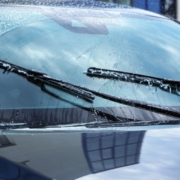
Snow and freezing rain demand a clear windshield. Replace old or streaking wiper blades with winter blades designed to handle ice buildup. Double-check that your heater and defrosters are working properly for both comfort and safety.

5. Check Brakes & Suspension

Winter driving requires confident stopping and stable handling. Have your brakes inspected for wear, and ensure your suspension components are in good shape. Slippery roads amplify any issues.

6. Protect Against Rust & Salt

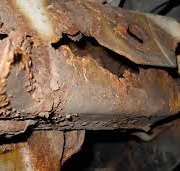
Road salt is tough on metal. A professional undercoating or rust protection treatment can extend the life of your vehicle and keep it looking sharp. Don’t forget to wash the undercarriage regularly during the season

7. Pack a Winter Emergency Kit

Even the most prepared driver can end up in a roadside emergency.

Your kit should include:

Booster cables
Small shovel & traction aids (sand, kitty litter, or traction mats)
Ice scraper & snow brush
Blanket and warm gloves
Flashlight & extra batteries
First aid kit

8. Book a Winter Inspection

If you’re not comfortable checking everything yourself, bring your vehicle to a trusted shop for a full winter prep inspection. A mechanic can spot issues early and give you confidence before the snow hits.

👉 Book your inspection today and breathe easier on your next drive!

Bottom line: A little preparation goes a long way. Winter doesn’t have to be stressful—make sure your vehicle is ready to handle whatever the season throws at it.


Smart Cars: What You Need to Know

The world of automotive technology has shifted gears in recent years, and “smart cars” are leading the way. Whether you drive a vehicle with advanced driver-assist features, built-in connectivity, or fully integrated infotainment systems, smart cars are changing the way we interact with the road. But with these advancements comes a new responsibility—caring for the technology inside your vehicle.

In this blog, we’ll break down what makes a car “smart” and highlight some of the special care these vehicles require, including on-boarding diagnostics, software updates, and sensor calibrations.

What is a Smart Car?

When we say “smart car,” we’re not just talking about compact city vehicles like the brand Smart. We’re talking about any vehicle equipped with advanced technology that relies on computer systems, sensors, and connectivity to operate safely and efficiently.

Examples of smart car features include:

Advanced Driver Assistance Systems (ADAS):
lane-keeping assist, adaptive cruise control, blind-spot monitoring.

Connectivity:
integration with smartphones, navigation apps, and over-the-air updates.

On-board computers:
systems that track everything from fuel efficiency to maintenance schedules.

In short, smart cars are vehicles where technology plays just as big a role as the engine under the hood.

On-Boarding Diagnostics: The New “Check-Up”

Traditional vehicles rely on basic error codes when a problem arises. Smart cars, however, use on-boarding diagnostics (OBD) that provide a much deeper look into the health of your vehicle.

More Data:
Instead of a simple “check engine” light, the system can track hundreds of potential issues.

Precision:
Diagnostics can identify specific components or systems in need of attention.

Integration:
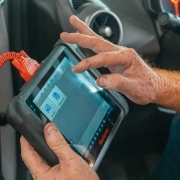
Mechanics now use specialized tools and software to communicate directly with your car’s computer systems.

Routine check-ups aren’t just about oil and brakes anymore—they’re about ensuring your vehicle’s “digital brain” is functioning properly.

Software Updates: Keeping Your Car Current

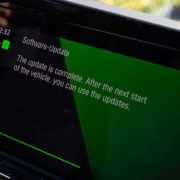
Just like your smartphone or laptop, smart cars need software updates to stay safe and effective.

Security:
Updates help protect against potential cyber threats.

Performance:
New updates can improve fuel efficiency, adjust driving modes, or enhance battery life in hybrid/electric vehicles.

Features:
Some automakers add new capabilities—like improved navigation systems or voice assistants—through updates.

Many updates can now be performed over the air (OTA), meaning they’re sent wirelessly to your vehicle. In some cases, however, your vehicle may need to visit the shop for larger, more complex updates.

Sensor Calibrations: Eyes and Ears of the Vehicle

Smart cars rely on sensors for nearly everything—cameras for lane assist, radar for adaptive cruise, and ultrasonic sensors for parking assistance.

Why Calibration Matters:
After windshield replacements, bumper repairs, or suspension adjustments, sensors can be knocked out of alignment.

Safety First:
A misaligned camera or radar sensor could mean your lane-keeping assist or automatic emergency braking doesn’t work correctly.

Professional Tools:
Sensor calibration requires precision equipment and a controlled environment—something that can’t be done in your driveway.

Regular calibration checks ensure your vehicle’s safety systems are working exactly as designed.

Final Thoughts

Smart cars are revolutionizing the way we drive, offering safety, convenience, and efficiency like never before. But this technology also means these vehicles require a new level of care.

Diagnostics keep your systems healthy.

Software updates keep your vehicle current and secure.

Sensor calibrations keep your safety features reliable.

If you own a smart car, think of it as a rolling computer with wheels. Regular maintenance isn’t just about the mechanical side anymore—it’s about keeping the technology finely tuned as well.


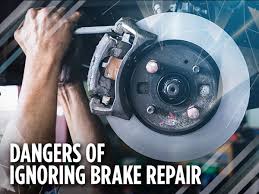
How To Identify and Fix Brake Problems Before They Become Dangerous

When it comes to vehicle safety, nothing is more important than your brakes. They’re the first—and sometimes only—line of defense between you and a potential accident. The good news? Most brake issues show warning signs long before they fail completely. The key is recognizing those signs and addressing them early. Here’s what every driver should know about identifying and fixing brake problems before they become dangerous.

Common Signs of Brake Problems

Squealing or Grinding Noises

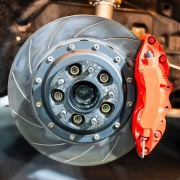
A high-pitched squeal usually means your brake pads are worn and need replacing.

Grinding noises suggest the pads are completely worn down, and metal-on-metal contact is occurring—this can damage your rotors and lead to costly repairs.

Spongy or Soft Brake Pedal

If the pedal feels squishy or sinks to the floor, it could indicate air in the brake lines, a brake fluid leak, or worn master cylinder components.

Vibration or Pulsation

A vibrating brake pedal when you stop often points to warped rotors. This can happen when brakes overheat from heavy use, such as towing or repeated hard stops.

Pulling to One Side

If your car pulls left or right during braking, it may mean a stuck caliper, uneven brake pad wear, or contaminated brake fluid.

Why You Shouldn’t Delay Repairs

Brake problems don’t get better on their own. Delaying repairs can:

Increase repair costs (worn pads destroy rotors, leaks damage other parts).
Reduce stopping power, making emergency braking dangerous.
Put you and others at risk of an accident.

A small squeal today could turn into a costly tow bill tomorrow.

How Brake Problems Are Fixed

Brake Pad Replacement

Replacing worn pads is one of the most common and affordable brake repairs.

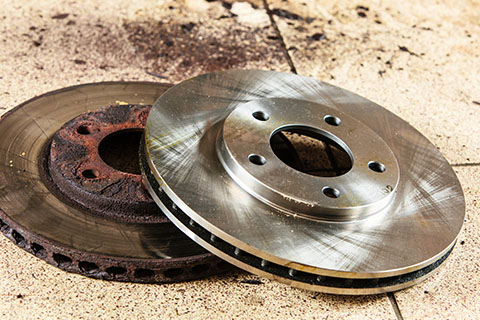
Rotor Resurfacing or Replacement

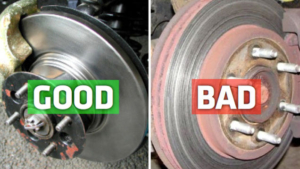
Warped or damaged rotors may be machined smooth if still within spec, or replaced entirely.

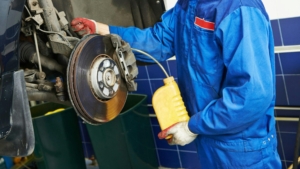
Brake Fluid Service

Flushing old, contaminated brake fluid helps maintain hydraulic performance and prevent corrosion in the system.

Caliper and Hose Repairs

Seized calipers or damaged brake hoses are replaced to restore proper braking balance.

ABS Diagnostics and Repair

If the ABS light is on, specialized equipment is used to diagnose and fix electronic or sensor issues.

Preventative Maintenance Tips

Regular Brake Inspections

Have your brakes checked every 20,000 km (or sooner if you notice symptoms).

Fluid Checks

Replace brake fluid every 2–3 years, depending on manufacturer recommendations.

Listen and Feel

Don’t ignore noises, vibrations, or warning lights—these are your car’s way of asking for help.

Final Thoughts

Your brakes are your vehicle’s most critical safety feature. Paying attention to early warning signs and scheduling timely repairs not only saves money but also ensures you, your family, and everyone else on the road stays safe.If you’ve noticed any of the brake symptoms above, don’t wait until it’s too late—book an appointment with Those Guys Garage today, and let our experienced technicians keep your stopping power strong.


10 Q&As That Explain Everything You Need to Know About Engine Belts

When it comes to keeping your vehicle running smoothly, few parts work harder behind the scenes than your engine belts. Whether it’s the serpentine belt, timing belt, or accessory drive belts, these unsung heroes power critical components that keep you safely on the road. To help clear up the mystery, here are 10 common Q&As about engine belts every driver should know.

1. What do engine belts actually do?

Engine belts transfer power from the engine’s crankshaft to various components like the alternator, water pump, power steering pump, and air conditioning compressor. Without them, many essential systems in your vehicle simply wouldn’t work.

2. What’s the difference between a serpentine belt and a timing belt?

Serpentine Belt: Runs multiple accessories at once (alternator, A/C, etc.).
Timing Belt: Synchronizes the crankshaft and camshaft so your engine’s valves open and close at the right time.

Both are critical—but a timing belt failure can be catastrophic for your engine.

3. How long do belts usually last?

Serpentine belts: 80,000–160,000 km (50,000–100,000 miles)

Timing belts: 95,000–160,000 km (60,000–100,000 miles) or around 5–7 years
Always check your owner’s manual, as some vehicles have shorter or longer service intervals.

4. What are signs my serpentine belt is failing?

Watch (and listen) for:

Squealing or chirping noises
Cracks, fraying, or glazing on the belt
Power steering, alternator, or A/C not working properly
Dashboard warning lights

5. What happens if my timing belt breaks?

Bad news. If your car has an “interference engine,” a snapped timing belt can cause the pistons and valves to collide, leading to thousands in repair costs. Even in non-interference engines, your car will stop running instantly.

6. Are timing chains the same as belts?

Nope! A timing chain is metal and typically lasts much longer than a belt—often the lifetime of the engine. However, chains can stretch or wear, so they still need inspection and sometimes replacement.

7. How do mechanics check belt condition?

During regular inspections, a technician will:

Look for cracks, splits, or missing chunks
Measure belt tension and alignment
Listen for abnormal noises
Inspect pulleys and tensioners (since these can fail too)

8. Can I replace an engine belt myself?

A serpentine belt? Maybe, if you’re handy with tools and follow a diagram.
A timing belt? Not recommended. It usually requires disassembling parts of the engine, lining up timing marks, and resetting components—one wrong move can ruin your engine.

9. What happens if I ignore a worn-out belt?

At best: your A/C stops working or your alternator quits charging.
At worst: your engine overheats, you lose steering assist, or the timing belt snaps and causes major engine damage. In short—don’t ignore it.

10. How much does it cost to replace a belt?

Serpentine belt replacement: Usually between $300–$500 (parts & labor)

Timing belt replacement: $1000–$3,000+ depending on the vehicle, since it’s labor-intensive and often done with water pump replacement.

Final Thoughts

Engine belts might not be flashy, but they’re some of the hardest-working parts in your vehicle. Staying on top of inspections and replacement intervals can save you from breakdowns—and expensive repairs.

👉 If you’re noticing squeals, cracks, or it’s been a while since your last replacement, book an inspection with Those Guys Garage today. We’ll make sure your belts (and the components they run) are ready for the road.


Understanding Your Car’s Warning Lights – A Quick Reference Guide

We’ve all been there—you’re cruising down the road, music on, coffee in hand—and suddenly a strange little light flicker on your dashboard. Cue the panic. Do you need to pull over right now? Can it wait until tomorrow? Or is it just your car’s way of saying “Hey, don’t forget me”?

Knowing what your car’s warning lights mean can save you from expensive repairs, unsafe driving conditions, or even a roadside breakdown. Here’s a quick reference guide to help you decode those mysterious symbols.

Common Dashboard Warning Lights (and What They Mean)

Check Engine Light (CEL)

What it looks like: An outline of an engine (sometimes with the word “Check”).

What it means: Could be minor (like a loose gas cap) or serious (engine misfire, emissions issue). Don’t ignore it—get a diagnostic scan.

Battery/Charging System Light

What it looks like: A battery symbol.

What it means: Alternator problem, weak battery, or bad wiring. If this stays on, your car may soon lose electrical power.

Oil Pressure Light

What it looks like: An oil can dripping a drop.

What it means: Low oil pressure—could mean low oil level or a major lubrication issue. Pull over ASAP and check your oil.

Brake System Warning Light

What it looks like: Circle with an exclamation mark or the word “BRAKE.”

What it means: Could be low brake fluid, worn pads, or parking brake still engaged. Don’t mess with brakes—get them checked immediately.

ABS Light

What it looks like: Circle with “ABS” inside.

What it means: Anti-lock brake system issue. Regular brakes will still work, but ABS safety features may not.

Tire Pressure Monitoring System (TPMS)

What it looks like: Exclamation mark inside a tire.

What it means: One or more tires are low on air. Inflate to the recommended pressure (check your door sticker).

Coolant Temperature Light

What it looks like: A thermometer in waves of liquid.

What it means: Engine is overheating. Pull over, turn off the engine, and let it cool. Continuing to drive could cause major engine damage.

Airbag Warning Light

What it looks like: A person with a circle in front of them.

What it means: Airbag system malfunction. If it stays on, your airbags might not deploy in an accident.


What to Do When a Warning Light Appears

Flashing light? That’s urgent. Pull over safely.

Solid light? Still important, but you may have time to get it checked soon.

Red lights = Danger. Yellow/orange lights = Caution.

Final Thoughts

Your dashboard isn’t trying to annoy you—it’s your car’s way of talking to you. By learning these common warning lights, you’ll know when it’s safe to keep driving, when to schedule a repair, and when to pull over immediately.

Save this guide, share it with a friend, and keep your car happy (and safe)!


The Pros and Cons of DIY Auto Repairs vs. Professional Services

When your vehicle needs maintenance or repair, you’re often faced with a big question:

Should I try fixing this myself or take it to a professional mechanic?

While the rise of online tutorials and affordable tools has made DIY car repairs more accessible than ever, professional auto services still offer unmatched expertise and convenience.

Here’s a breakdown of the pros and cons of each approach to help you make the best choice for your situation.

DIY Auto Repairs: The Pros and Cons

– The Pros

1. Cost Savings

DIY repairs can be significantly cheaper since you’re avoiding labor costs. For basic maintenance tasks like oil changes, brake pad replacements, or air filter swaps, doing it yourself can save you hundreds over time.

2. Learning Opportunity

Working on your vehicle can be a great way to understand how it works. Over time, you’ll build valuable knowledge that may help you handle roadside emergencies or detect problems early.

3. Convenience (Sometimes)

If you have the right tools and knowledge, you can tackle minor issues on your own schedule without waiting for shop appointments.

❌ – The Cons

1. Risk of Mistakes

Without the proper training, even small mistakes—like over-tightening a bolt or misdiagnosing an issue—can lead to bigger problems down the road.

2. Limited Tools & Equipment

Many repairs require specialized tools or diagnostic equipment most DIYers don’t have. That limits the scope of what you can safely and effectively do.

3. Time-Consuming

Researching how to do a job and then completing it can take much longer than expected—especially if it’s your first time doing it.

Professional Auto Repairs: The Pros and Cons

– The Pros

1. Expertise & Experience

Certified mechanics bring years of training and real-world experience to the job. They can diagnose and fix problems more accurately and efficiently than most DIYers.

2. Advanced Tools & Technology

Professional repair shops have access to high-end diagnostic tools and equipment that ensure precise service—especially with newer vehicles loaded with technology.

3. Warranty & Peace of Mind

Work done by professionals often comes with warranties, giving you peace of mind that the job was done right—or will be corrected if not.

4. Time Savings

Leave the hard work to the pros and save yourself hours of time and hassle, especially for complex or critical repairs.

❌ – The Cons

1. Higher Cost

Labor costs and shop fees can add up, especially for complex jobs. However, the value of professional work often outweighs the initial expense.

2. Less Control Over Timeline

You might need to schedule an appointment or leave your vehicle at the shop for a day or two, which may not be ideal for urgent needs.

When to DIY and When to Call the Pros

DIY might be possible with:

Oil and air filter changes
Replacing wiper blades or headlights
Battery swaps
Simple cosmetic fixes

Definitely go with the pros for:

Brake system repairs
Engine diagnostics
Transmission issues
Suspension or steering problems
Electrical system faults

Final Thoughts

While DIY repairs can save money and be rewarding, they come with risks if you’re not fully prepared. For anything beyond basic maintenance, it’s usually smarter—and safer—to trust experienced technicians. At Those Guys Garage, we’re here to handle the tough jobs with skill, precision, and care. Whether you’ve tried it yourself or want to leave it to the experts from the start, we’re just a call or visit away.

Book an appointment today!


5 Common Myths About Auto Repair That Are Costing You Money

When it comes to auto repair, misinformation spreads faster than a rumor at a family barbecue. Unfortunately, believing some of these myths doesn’t just leave you misinformed—it can leave you with a lighter wallet and a heavier repair bill down the road. Let’s bust five of the most common myths we hear in the shop and set the record straight.

“If It Ain’t Broke, Don’t Fix It”

This one’s a classic. Many drivers believe that as long as their vehicle isn’t making weird noises or showing warning lights, everything’s fine. The truth? Cars often give no obvious symptoms until it’s too late.

Example: Skipping routine oil changes might not show immediate issues, but sludge buildup can ruin an engine over time. A $70 oil change is a lot cheaper than a $7,000 engine replacement.

👉 Reality check: Preventive maintenance is cheaper and smarter than waiting until something breaks.

“Dealerships Are the Only Place for Quality Repairs”

Some drivers think taking their car anywhere but the dealership voids the warranty or means lower quality repairs. That’s just not true.

Example: A customer once told us they were quoted nearly double at their dealership for brake work. We used the same high-quality parts, did the job at a fraction of the cost, and their warranty remained untouched.

👉 Reality check: Independent shops (like ours!) often provide the same or better service, with personalized attention and competitive pricing.

“Premium Fuel Will Make My Car Run Better”

Unless your owner’s manual specifically calls for premium fuel, filling up with the expensive stuff is just draining your wallet—not improving performance.

Example: A driver came in convinced their car would last longer on premium gas. We showed them that their car was designed for regular, and the extra cost over time was adding up to hundreds of dollars a year with zero benefit.

👉 Reality check: Use the fuel your manufacturer recommends. Nothing more, nothing less.

“You Can Diagnose Everything With Google or a Phone Call”

We love a good DIY spirit, but trying to diagnose your vehicle by typing symptoms into Google or describing a noise over the phone is like calling a doctor and saying, “My stomach hurts, what surgery do I need?”

Example: A customer once told us their “brakes were bad” because of a squealing noise. Turned out it was just a rock caught in the rotor shield—a $0 fix instead of a $600 job they were bracing for.

👉 Reality check: A proper in-person inspection saves you from misdiagnosis and wasted money.

“All Mechanics Are Out to Rip You Off”

We get it—auto repair has a bad rep thanks to a few shady shops. But most mechanics are here to keep you safe on the road, not drain your wallet.

Example: We had a customer convinced they needed a new transmission after reading horror stories online. After inspection, all they needed was a fluid change. They left relieved and a lot richer.

👉 Reality check: A trustworthy shop should explain what’s wrong, show you the issue, and give you options. Transparency is key.

Final Thoughts

Believing auto repair myths can lead to unnecessary costs, skipped maintenance, or expensive repairs that could’ve been avoided. The best way to protect your wallet (and your car) is to rely on regular maintenance, professional inspections, and advice from people who know your vehicle inside and out.

Need honest advice and quality repairs? Stop by Those Guys Garage—we’ll keep your car running smoothly without the myths, gimmicks, or unnecessary upsells.