Battery Maintenance & Care
Keep Your Ride Powered Up Year-Round
Your vehicle’s battery might be out of sight, but it should never be out of mind. It’s the silent powerhouse that keeps everything from your ignition to your stereo running. Whether you’re heading to work or off-roading on the weekend, proper battery maintenance can save you from inconvenient (and often expensive) surprises. Here’s what you need to know to keep your battery in peak condition.
Why Battery Maintenance Matters
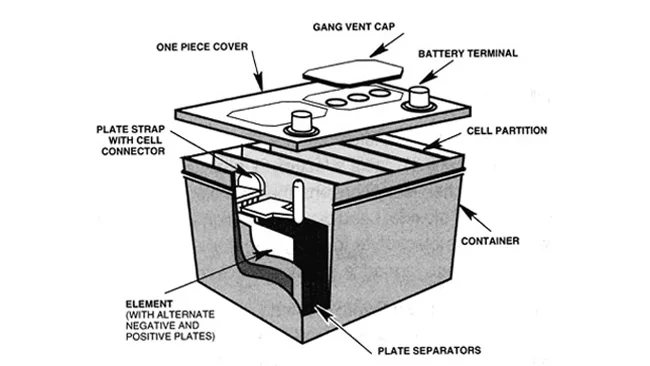
Batteries don’t last forever—but a little maintenance goes a long way in extending their life. On average, car batteries last between 3 to 5 years, but extreme temperatures, short trips, and poor connections can shave time off that lifespan. A weak battery can also put extra strain on your alternator and starter.
At Those Guys Garage, we see it all—from completely dead batteries in -30°C to corroded terminals that stop vehicles in their tracks. Here’s how to stay ahead of the curve.
Signs Your Battery Might Be in Trouble
- 🔋 Slow engine crank
- ⚠️ Dashboard battery light stays on
- 💡 Dim headlights or electrical issues
- 🔌 Clicking sound when turning the key
- 🧊 Swollen battery case (often from freezing temps)
- 🛑 Car won’t start (obviously the big one)
If you notice any of these symptoms, it might be time for a battery inspection or replacement.
Battery Care Tips to Avoid Getting Stranded
1. Clean the Terminals
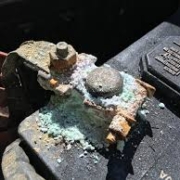
Corrosion on battery terminals can block power flow. Use a battery terminal cleaner or a baking soda/water mix and a wire brush to gently clean the posts.
2. Secure the Battery
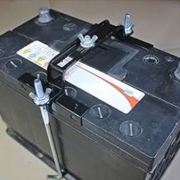
A loose battery can vibrate, damaging internal components and shortening its life. Make sure it’s mounted properly and snug.

3. Limit Short Trips
Frequent short drives don’t allow your alternator to fully recharge the battery. If possible, combine errands or take a longer route occasionally.
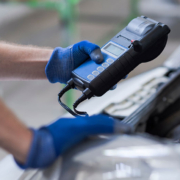
4. Test Regularly
Have your battery tested during oil changes or routine maintenance—especially before winter or summer when extreme temps hit hard.
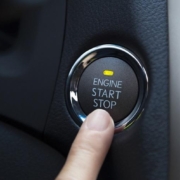
5. Watch the Accessories
Leaving on your lights, radio, or phone charger while the car is off? That’s a quick way to drain your battery. Make sure everything’s off before stepping out.
Winter vs. Summer Battery Wear
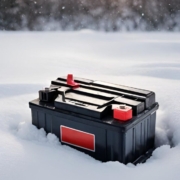
Cold weather is infamous for draining battery power, but heat can be just as brutal. Extreme cold slows the chemical reactions inside the battery, while extreme heat can cause fluids to evaporate faster. In Alberta’s wild weather swings, regular battery checks are a must.
When to Replace Your Battery
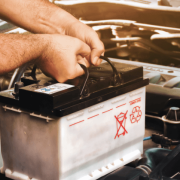
Even with good care, all batteries have a shelf life. If yours is over 3 years old, we recommend annual testing. If you’re noticing any of the warning signs or your battery fails a load test, it’s probably time to replace it.
At Those Guys Garage, we carry high-quality, cold-cranking-rated batteries perfect for our Canadian climate—and we’ll install and test them to make sure you’re good to go.
Let Us Help Keep You Charged Up
Whether it’s a quick test, a cleanup, or a full replacement, we’ve got your back. Book your battery check or installation with Those Guys Garage and avoid getting stuck with a dead ride.
🔧 Need a battery test or replacement? Give us a call or book your appointment online!