Importance of Routine Oil Changes for Your Vehicle

When it comes to car maintenance, few tasks are as simple — or as essential — as the routine oil change. While it might seem like a small chore, changing your oil on schedule can mean the difference between a smooth-running engine and costly repairs down the line. Let’s break down why this basic service is one of the most important things you can do for your vehicle.

Why Oil Changes Matter

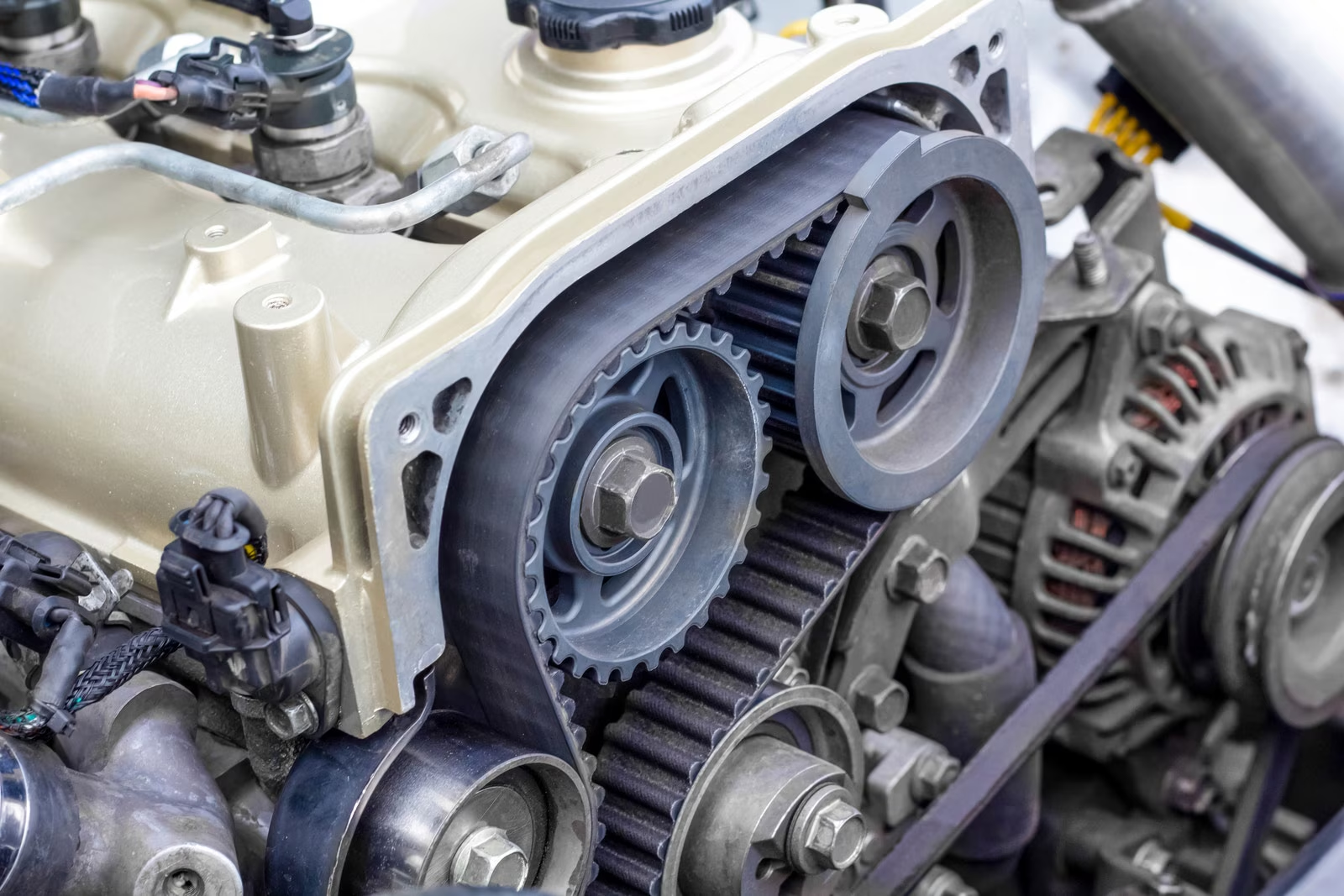
Your engine is a complex machine made up of many moving parts, all of which generate heat and friction as they operate. Engine oil acts as a lubricant, reducing that friction and helping to prevent parts from grinding together. Over time, however, oil breaks down and becomes contaminated with dirt, debris, and engine byproducts. When this happens, it loses its ability to properly lubricate and cool the engine.

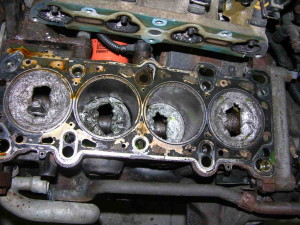
Skipping oil changes or letting the oil get too dirty can lead to serious consequences:

  • Increased engine wear
  • Reduced fuel efficiency
  • Overheating and critical engine failure

Simply put, fresh oil helps your engine stay healthy and run efficiently.

Benefits of Regular Oil Changes

  1. Extends Engine LifeClean oil reduces friction and minimizes wear, helping your engine last longer.
  2. Improves Gas MileageOld, dirty oil can make your engine work harder, reducing fuel efficiency.
  3. Prevents OverheatingOil helps draw heat away from engine components. Fresh oil improves cooling and protects against overheating.
  4. Keeps Your Engine CleanRoutine changes remove sludge, dirt, and debris that could otherwise clog the system and cause damage.
  5. Protects Your InvestmentA well-maintained engine maintains your car’s value and avoids the cost of major repairs.

How Often Should You Change Your Oil?

The right oil change interval depends on your car’s make, model, and driving habits. Many modern vehicles can go 8,000 to 12,000 kilometers between oil changes, while older models or those subjected to heavy-duty use might require more frequent service. Always check your owner’s manual for manufacturer recommendations, and when in doubt, error on the side of caution.

Key Takeaway

Routine oil changes are a small price to pay for peace of mind and long-term savings. Whether you do it yourself or visit a trusted mechanic, staying on top of this simple maintenance task can keep your car running smoothly for years to come.

So, the next time that reminder light pops up on your dash, don’t ignore it — your engine will thank you!


Why Seasonal Tire Changes Are Essential for Safety and Performance

When the seasons shift, so should your tires. While it might seem like a minor detail, changing your tires according to the season is one of the simplest — and smartest — ways to protect yourself, your passengers, and your vehicle. Whether you’re facing the icy grip of winter or the sun-soaked pavement of summer, the right tires can make all the difference.

The Science Behind Seasonal Tires

Tires aren’t just black rubber rings — they’re highly engineered components designed to interact with the road under specific conditions.

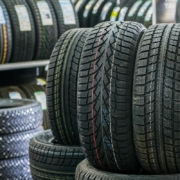
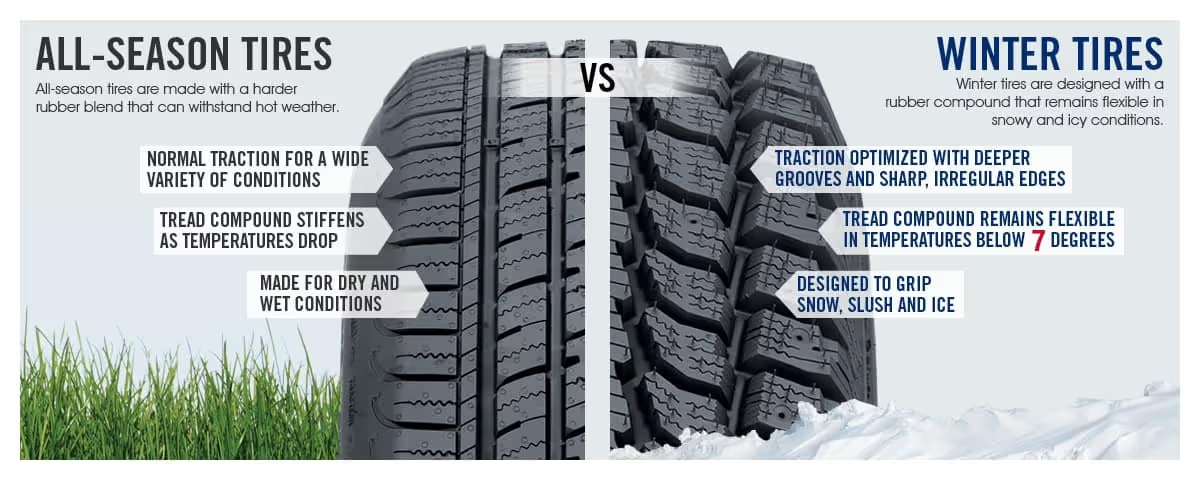
Winter tires are made with softer rubber compounds that stay flexible in freezing temperatures, allowing them to grip snow, ice, and cold pavement better than their summer or all-season counterparts. Their tread patterns are designed to channel slush and snow away from the tire, reducing the risk of hydroplaning and helping maintain traction on slippery surfaces.

Summer tires, on the other hand, are optimized for warm conditions. Their rubber is harder, providing improved handling, braking, and stability on dry and wet roads when temperatures are high. Winter tires, if left on during the summer, wear out faster and significantly reduce handling performance.

Safety First

Seasonal tire changes are primarily about safety. Braking distances can increase dramatically if you use the wrong type of tire for the conditions — sometimes by several car lengths. That difference can be critical in an emergency situation.

Winter tires, for example, can reduce stopping distances on snowy or icy roads by as much as 30–40% compared to all-season or summer tires. That extra grip can be the deciding factor between a close call and a collision.

Protect Your Investment

Beyond safety, seasonal tire changes also extend the life of your tires. Using winter tires in the summer, or summer tires in the winter, will wear the rubber down much faster. Swapping at the right time can ensure each set lasts multiple seasons, saving you money over time.

Additionally, many insurance companies recognize the use of appropriate seasonal tires as a proactive safety measure, and some may even offer premium discounts or reduced deductibles.

When Should You Make the Switch?

A general rule of thumb is to switch to winter tires when the temperature consistently drops below 7°C (44°F) and back to summer or all-season tires when it rises above that mark in the spring. Even if there’s no snow on the ground, cold pavement alone is enough to reduce the effectiveness of non-winter tires.

Peace of Mind All Year Long

Driving is unpredictable enough — the last thing you want is to risk your safety or damage your vehicle because of the wrong tires. Investing in seasonal tire changes isn’t just about performance; it’s about preparing for whatever the road throws your way, all year long.


Why Preventative Maintenance Is Crucial for Your Summer Vehicle Before the Season Hits

As the days get longer and the temperatures start to rise, summer is just around the corner—bringing with it road trips, beach days, and weekend getaways. But before you hit the open road, there’s one important task that should never be overlooked: preventative maintenance on your summer vehicle.

Whether it’s a classic convertible, a sports car, track toy or just your daily driver that sees more miles during the warmer months, giving your ride a thorough once-over before the season kicks off can save you time, money, and headaches down the line. 

1. Beat the Rush 

Auto shops fill up fast once the summer driving season begins. By scheduling your maintenance early, you avoid long wait times and ensure any needed repairs don’t delay your plans. Getting ahead of the rush means you’ll be road-ready when everyone else is still in the waiting room.

2. Protect Your Investment

Summer vehicles often sit unused during the winter, which can lead to issues like battery drain, dried-out fluids, and cracked hoses or belts. A quick checkup can catch these problems before they lead to bigger (more costly) failures.

Key areas to inspect:

3. Stay Safe on the Road 

Higher temperatures and longer drives mean your vehicle will be under more stress. Overheating engines, worn tires, and weak air conditioning can turn a fun trip into a frustrating one—or worse, a dangerous situation. Preventative maintenance minimizes the risk of breakdowns and ensures your vehicle is as safe as it is fun to drive.

4. Improve Performance and Fuel Efficiency 

A well-maintained vehicle runs better, uses less fuel, and delivers a smoother ride. Clean filters, fresh oil, and properly inflated tires can all contribute to better mileage and improved performance—especially on those long summer road trips. 

5. Extend Your Vehicle’s Lifespan

Routine maintenance is the key to longevity. By taking care of small issues now, you prevent them from becoming major repairs later. This not only keeps your vehicle on the road longer but also helps maintain its resale value.

Final Thoughts

Preventative maintenance isn’t just a chore—it’s a smart investment in your vehicle and your summer plans. Taking the time to prep your ride now ensures it runs reliably, efficiently, and safely all season long. So before you pack up and cue up the road trip playlist, give your summer vehicle the attention it deserves. Your future self (and your passengers) will thank you. 


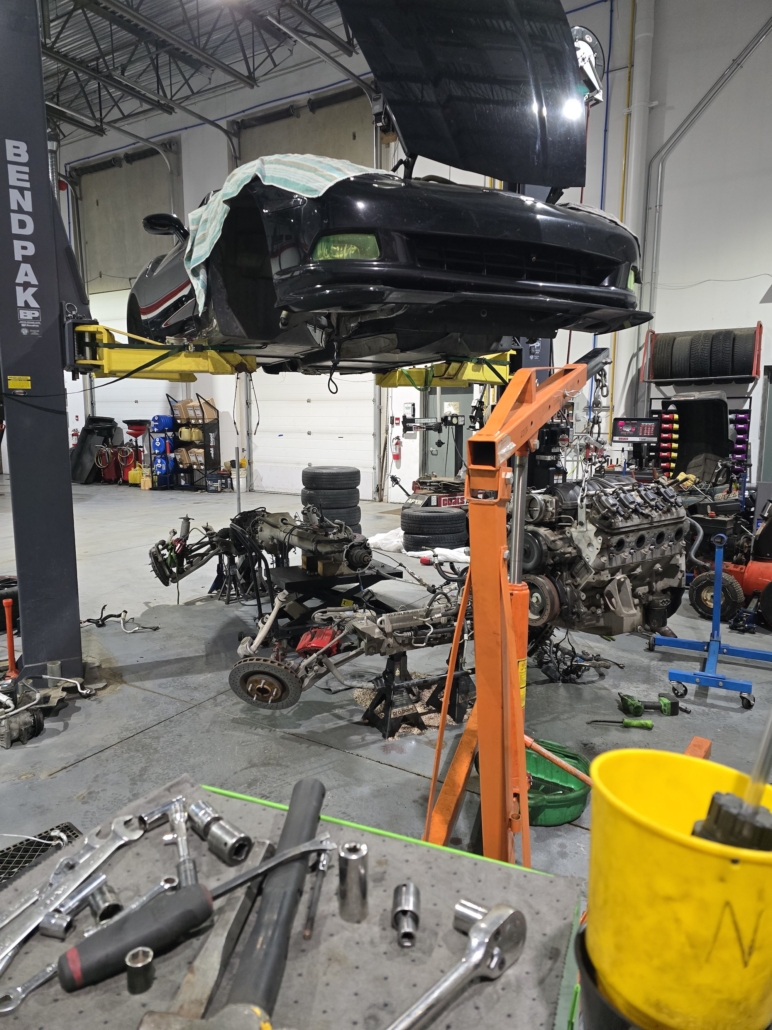
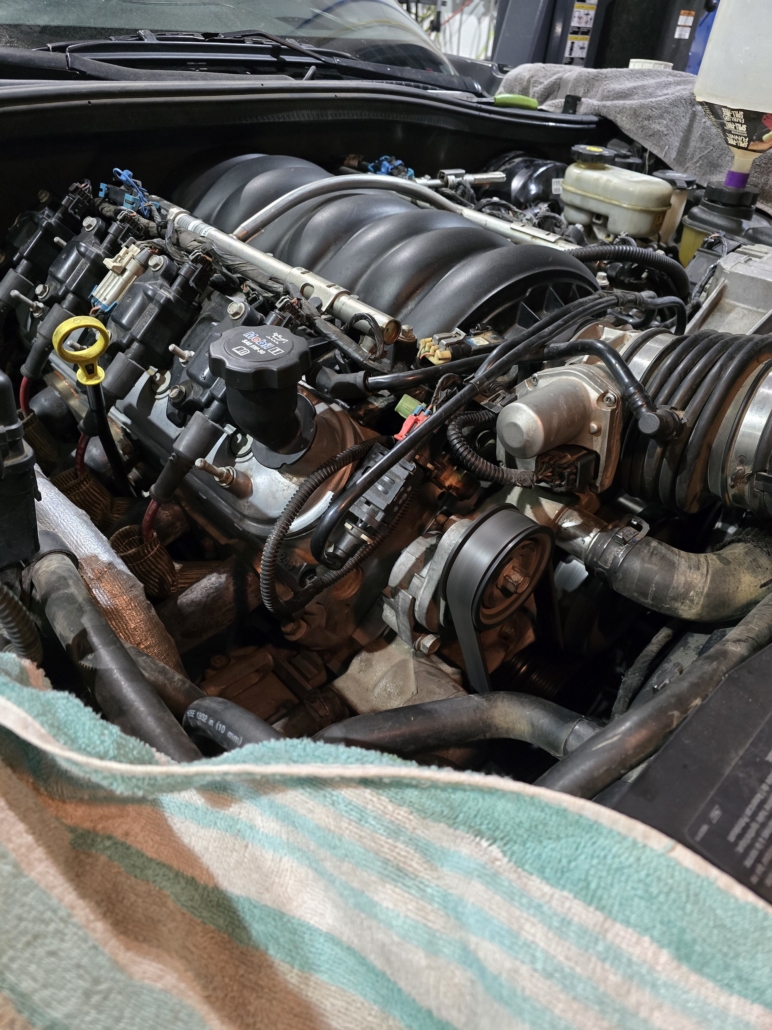
Corvette Summer – Preventative Maintenance Ahead of Car Season

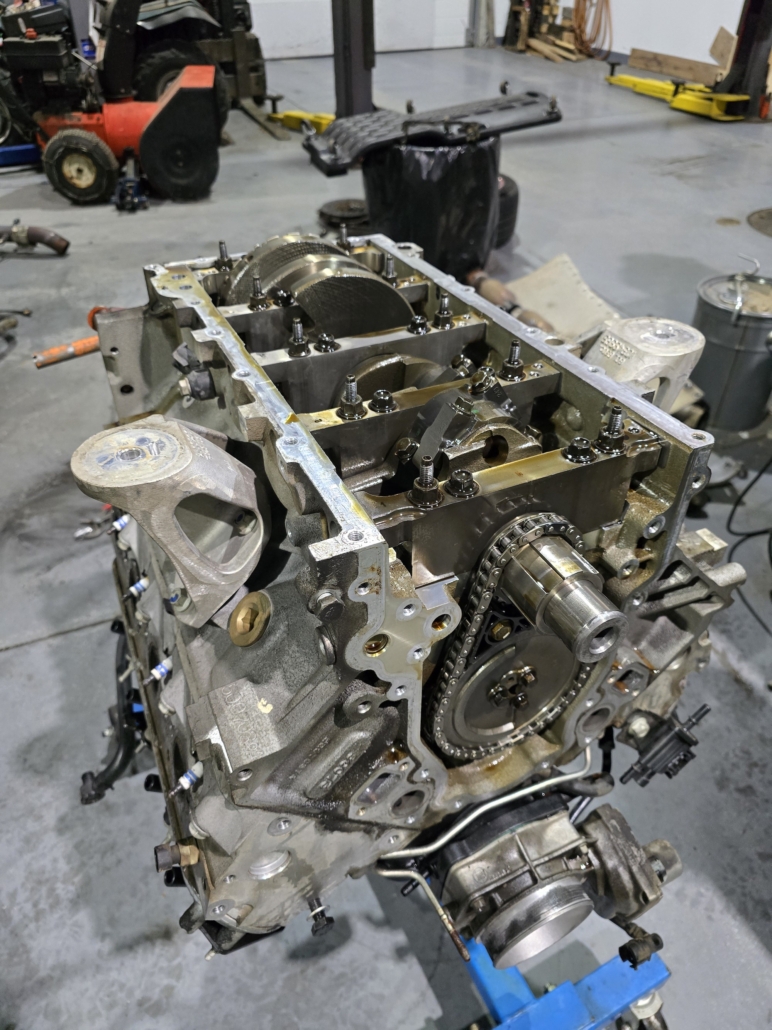
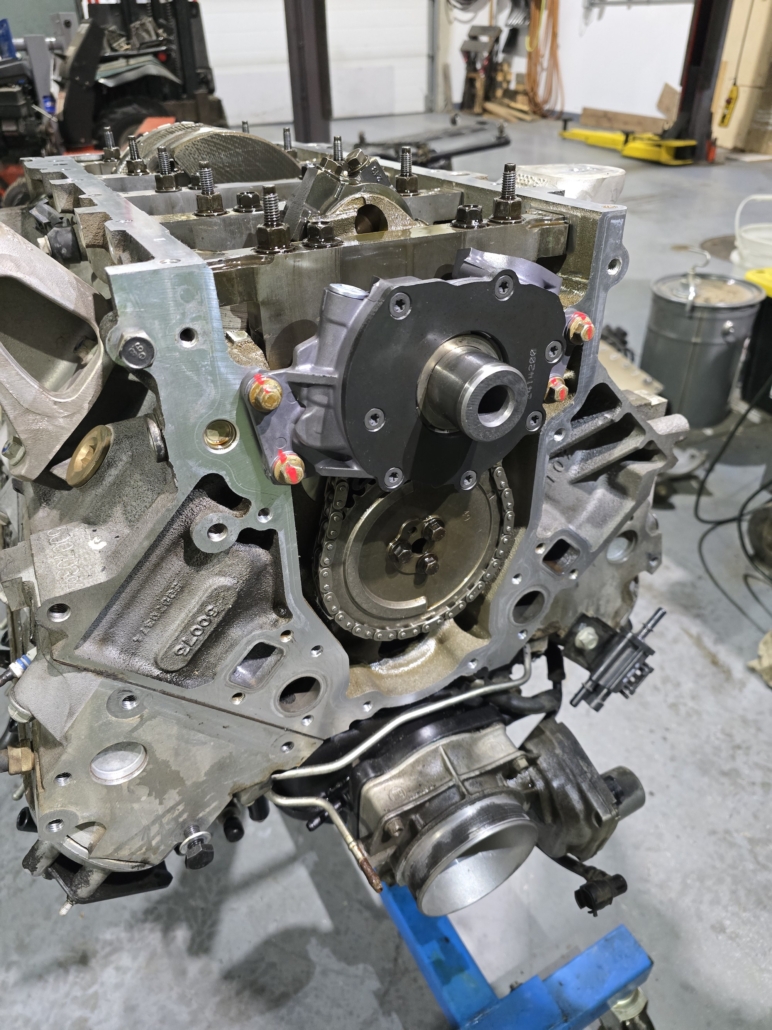
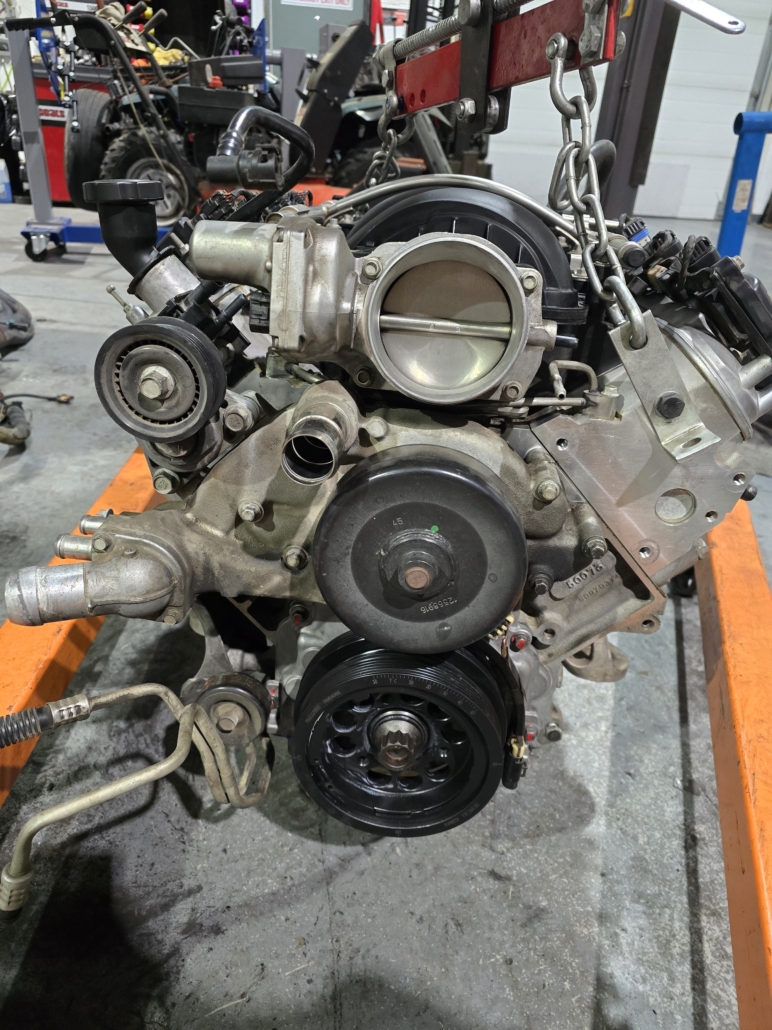
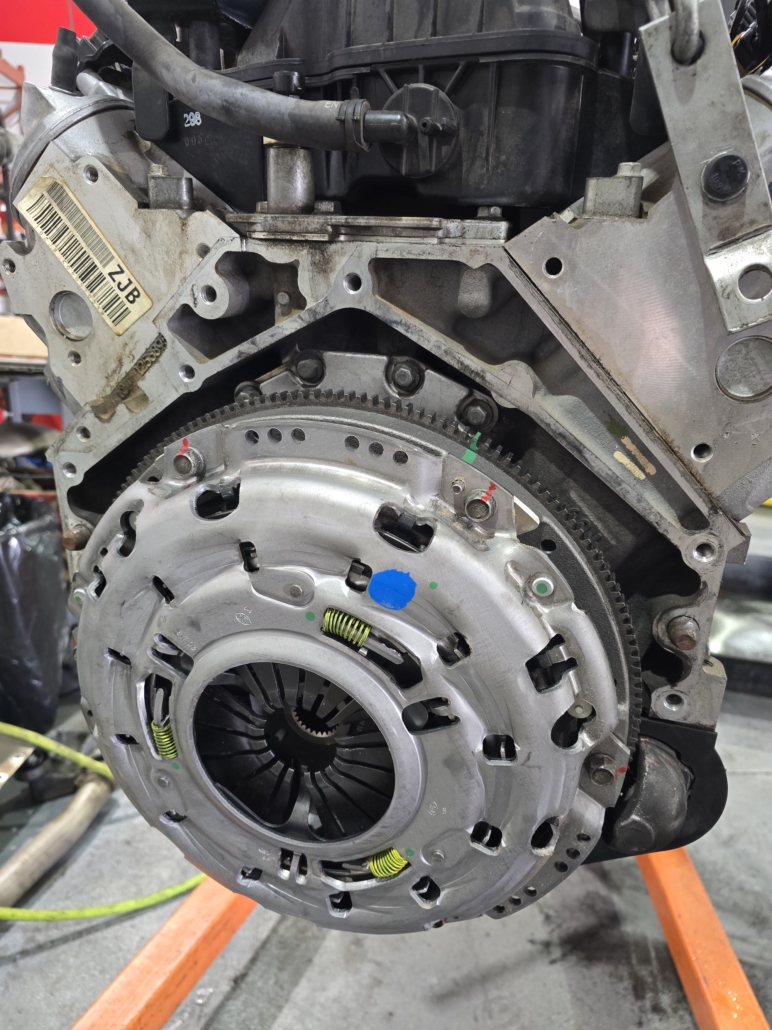
Corvette getting an upgraded oil pump and clutch to prepare for the car season fun ahead!

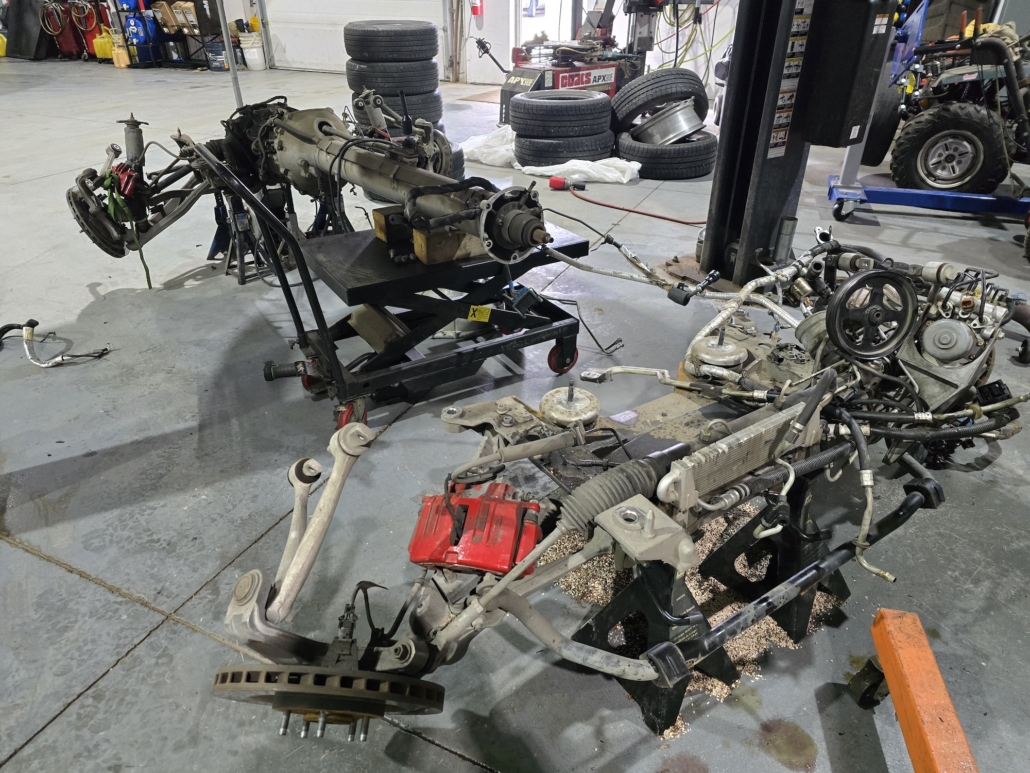
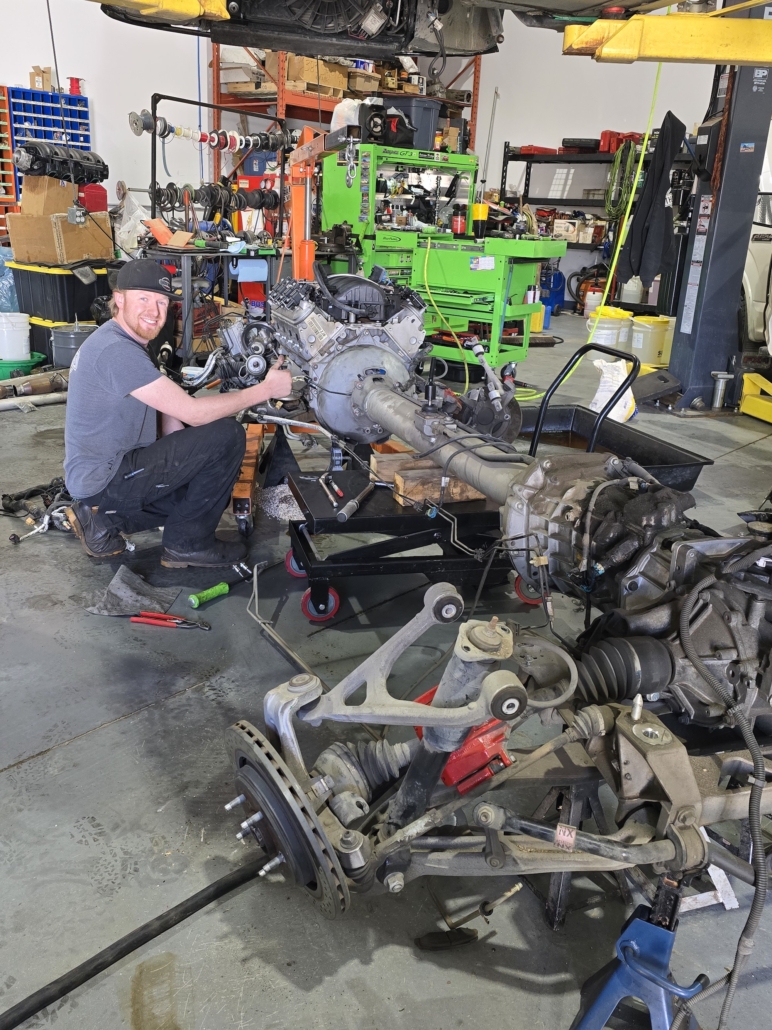
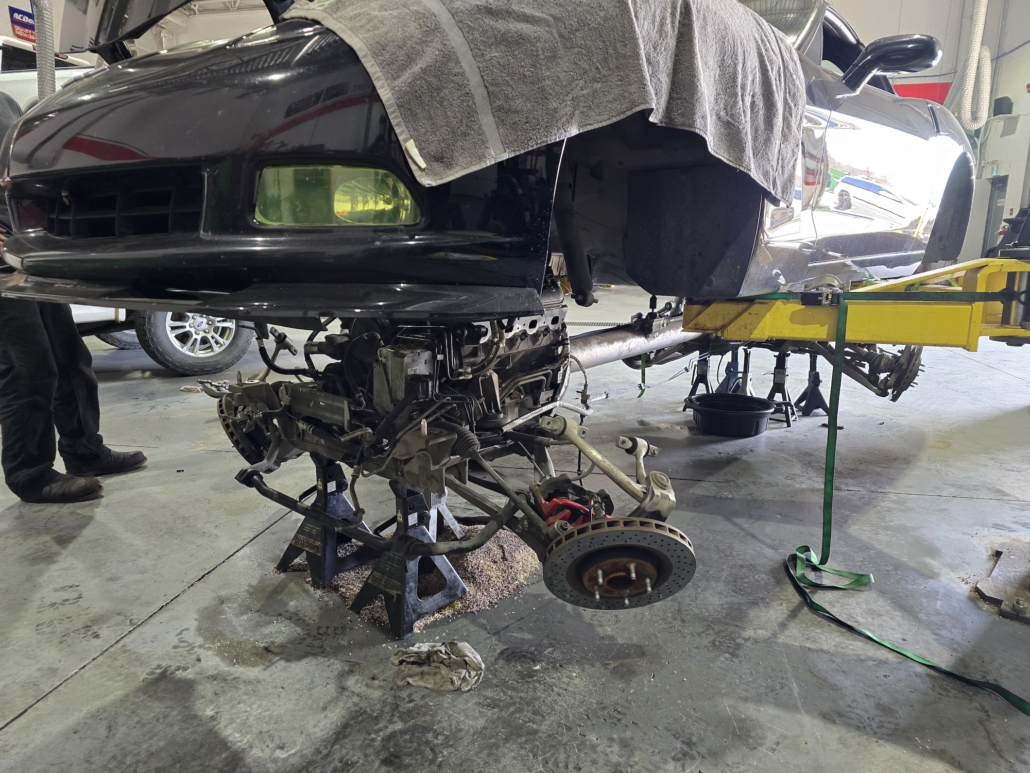
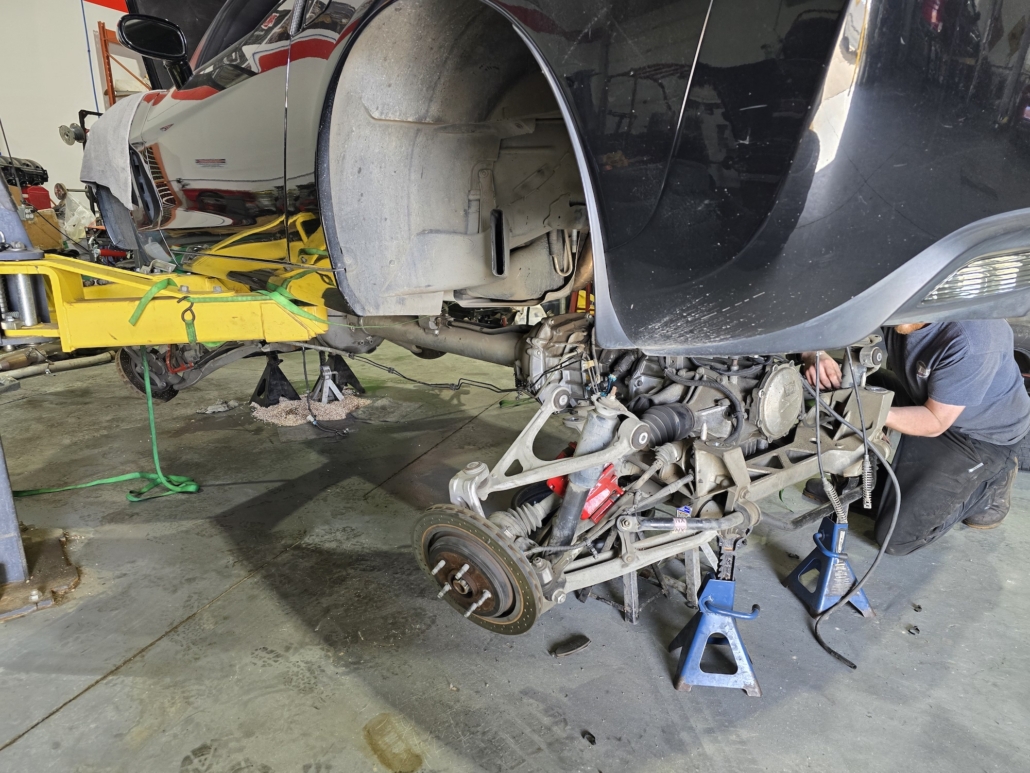
Drivetrain dropped and engine pulled, ready to be placed on engine stand to prepare for the work coming ahead.

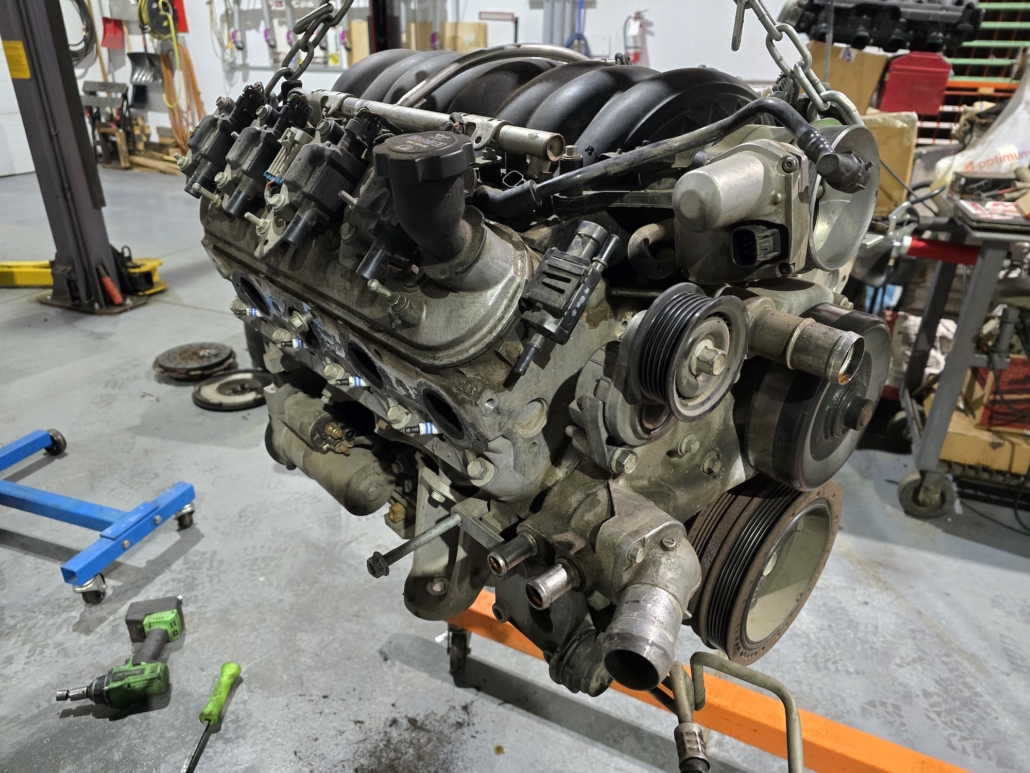
Engine hoist getting engine ready for further down and getting put on engine stand.

Drivetrain and subframe separated with the engine removed.

Engine on stand to be torn down and get to the oil pump.

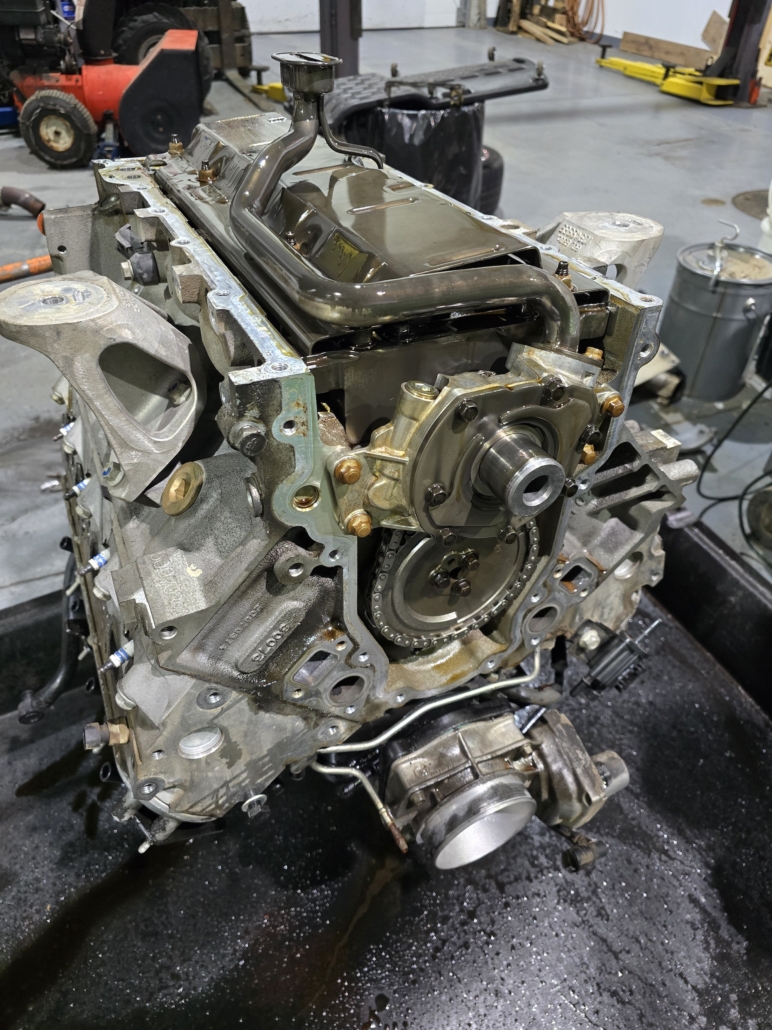
Engine flipped upside down, front cover and oil pan removed to access the oil pump inside.

Oil pickup and windage tray removed along with the old oil pump taken off the front of the crankshaft.

New upgraded oil pump installed on the engine and ready for reassembly.

Front cover and oil pan back in place, getting ready for putting the new clutch in place on the engine.

New clutch mated and installed on the engine.

Ready to be placed back onto subframe and mated with the drivetrain again!

Engine and drivetrain mated together again!

Master Tech Noble posing with his work and the job ahead to bring the car back together again!

Getting everything properly lined up and secured around the engine and transmission before lowering the body on the drivetrain.

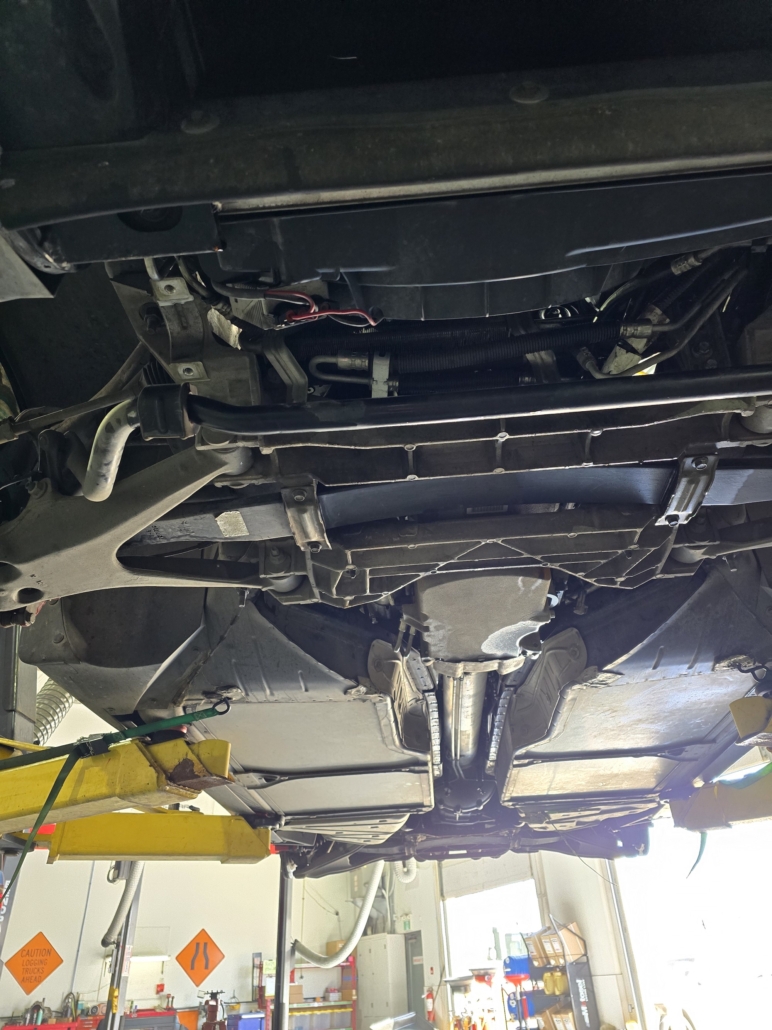
Ensuring the rear subframe is in place and ready for the body to be brought down onto the drivetrain.

Corvette drivetrain mounted up on the body and now getting all of the rest buttoned up underneath.

All completed with the engine and drivetrain back into the car again!

Customer is ready to have cruises in their summer car again!


Why Automotive Fluid Maintenance Is Crucial for Your Vehicle’s Health

When we think about vehicle maintenance, oil changes often come to mind first—and for good reason. But did you know your car relies on several essential fluids to function properly? Regularly checking and maintaining these fluids can mean the difference between a smooth-running engine and a costly repair bill. In this blog post, we’ll break down why automotive fluid maintenance should be a key part of your vehicle care routine.

1. Engine Oil: The Lifeblood of Your Car 

Engine oil lubricates the moving parts of your engine, reduces friction, and helps keep the engine cool. Over time, oil breaks down and collects debris, which can lead to reduced performance and engine wear. Skipping regular oil changes can lead to serious engine damage—even complete failure. 

Tip: Check your oil level at least once a month and follow your manufacturer’s recommended oil change interval. 

2. Coolant: Preventing Overheating and Corrosion 

Coolant (or antifreeze) regulates your engine’s temperature and prevents it from overheating. It also protects your radiator and other components from corrosion. Low coolant levels or old coolant can lead to overheating, especially in hot weather or during heavy use. 

Tip: Inspect your coolant level regularly and flush the system according to your car’s maintenance schedule. 

3. Transmission Fluid: Smooth Shifting, Long Life 

Transmission fluid lubricates gears and ensures smooth shifting. Whether you drive an automatic or a manual, dirty or low transmission fluid can cause gear slipping, hard shifts, and eventual transmission failure—one of the most expensive repairs you can face. 

Tip: Check the fluid regularly (if your car has a dipstick) and change it according to manufacturer recommendations. 

4. Brake Fluid: Safety First 

Brake fluid transfers force from your foot on the pedal to the brakes themselves. It also absorbs moisture over time, which can lead to corrosion and brake failure if neglected. 

5. Power Steering Fluid: Effortless Control 

This fluid makes it easier to steer your car. If it gets low or dirty, you might experience stiff steering or unusual noises when turning the wheel. 

Tip: Top off power steering fluid as needed and look out for signs of leaks or steering difficulty. 

6. Windshield Washer Fluid: Clear Vision, Safe Driving 

While not critical to the engine, washer fluid is essential for visibility. Keeping your windshield clean improves safety—especially in dusty or rainy conditions. 

Tip: Refill washer fluid regularly, especially before long trips or seasonal weather changes. 

Final Thoughts 

Proper automotive fluid maintenance isn’t just about extending the life of your vehicle—it’s about safety, performance, and avoiding preventable breakdowns. A few minutes of inspection and timely fluid changes can save you thousands in repairs and give you peace of mind every time you drive. 

Pro Tip: When in doubt, consult your owner’s manual or ask a certified mechanic to help you create a fluid maintenance schedule tailored to your vehicle. 

Drive smart.
Stay safe. Keep those fluids in check. 


The Importance of Automotive Maintenance in Preventing Turbocharger Damage 

Turbocharged engines have become increasingly popular due to their ability to enhance performance and fuel efficiency. However, maintaining a turbocharged engine requires diligence to avoid costly repairs and premature failure. Proper automotive maintenance is essential to keeping your turbo in peak condition and preventing damage that can lead to expensive repairs. 

Understanding the Role of the Turbocharger 

A turbocharger works by using exhaust gases to spin a turbine, which forces more air into the engine’s combustion chamber. This process increases engine power and efficiency. However, because a turbo operates at extremely high speeds and temperatures, it is susceptible to damage if not properly maintained. 

Key Maintenance Practices to Protect Your Turbo 

Oil is the lifeblood of your engine, and it plays a crucial role in lubricating the turbocharger. Turbos spin at speeds exceeding 100,000 RPM, and their bearings rely on a steady supply of clean oil to prevent friction and overheating. Failing to change your oil regularly can result in oil contamination, which leads to carbon buildup, reduced lubrication, and eventual turbo failure. Always use high-quality, manufacturer-recommended oil and change it at the specified intervals. 

When you start your car, give it a minute or two to warm up, especially in cold weather. This allows the oil to circulate properly before the turbo is subjected to high speeds. Likewise, after driving aggressively or on long trips, avoid shutting the engine off immediately. Instead, let it idle for 30–60 seconds to allow the turbo to cool down gradually. Shutting off the engine too quickly can cause oil to burn inside the turbo, leading to carbon buildup and eventual failure. 

Low-quality oil or fuel can cause premature wear on your turbo. Dirty or low-grade fuel can result in excessive carbon buildup in the combustion chamber, which affects the turbo’s efficiency. Similarly, poor-quality oil can break down under high temperatures, leading to inadequate lubrication. Always opt for high-quality, synthetic oil and premium fuel when required by your vehicle. 

A clean air filter ensures that only clean air enters the turbocharger. If the air filter is dirty or clogged, dust and debris can enter the turbo, damaging its delicate components. Regularly inspect and replace your air filter according to your vehicle’s maintenance schedule to prevent unnecessary wear on your turbocharger.  

The intercooler plays a crucial role in cooling the compressed air before it enters the engine. A damaged or clogged intercooler can lead to inefficient cooling, which can cause the turbo to overheat and reduce performance. Regularly inspect the intercooler for leaks, dirt buildup, or damage to ensure optimal performance. 

Pushing your turbo to its limits too often—such as frequently accelerating hard or driving at high RPMs—can lead to excessive wear and tear. While turbocharged engines are designed for performance, excessive stress without proper maintenance can shorten the turbo’s lifespan. Drive responsibly and avoid prolonged high-boost conditions unless necessary. 

Check for signs of turbo failure, such as excessive smoke from the exhaust, loss of power, unusual noises (whining or whistling sounds), or oil leaks. Catching issues early can prevent major failures and costly repairs. If you notice any of these warning signs, consult a mechanic immediately. 

Maintaining a turbocharged engine requires proactive care and regular servicing. By following these maintenance tips—such as performing timely oil changes, allowing proper warm-up and cool-down periods, using high-quality oil and fuel, and inspecting key components—you can extend the life of your turbo and enjoy peak performance. Neglecting maintenance can lead to catastrophic turbo failure, resulting in expensive repairs and reduced engine efficiency. Stay on top of your vehicle’s maintenance to keep your turbo running smoothly for years to come. 

Drive Smart.
Ensure Turbo Longevity & Keep The Turbo Spoolin’


Drive Safe, Drive Smart: The Importance of Quality Tires & Precision Wheel Alignment

At Those Guys Garage, we know that your vehicle’s performance, safety, and fuel efficiency all start where the rubber meets the road—your tires! Investing in high-quality tires and proper wheel alignment isn’t just about comfort; it’s about protecting your passengers, your wallet, and your vehicle’s longevity.

Why Do Tires and Wheel Alignment Matter?

✅ Safety First – Worn-out or low-quality tires increase stopping distance and reduce grip, especially in wet or icy conditions. Proper alignment ensures even tire contact, preventing dangerous pulls or skids.


✅ Save on Gas & Repairs – Misaligned wheels cause unnecessary resistance, forcing your car to work harder and burn more fuel. Plus, uneven tire wear leads to premature replacements—costing you more in the long run.

✅ Smooth & Comfortable Ride – Poor alignment causes vibrations and steering issues, making every drive a hassle. Fresh, well-aligned tires give you a smooth, controlled experience every time you hit the road.

✅ Extend Tire Life – Proper alignment distributes wear evenly, meaning you won’t have to replace your tires as often. That’s money saved and peace of mind gained!

We’ve Got You Covered!

At Those Guys Garage we offer:
✔️ Expert Tire Inspections & Replacements
✔️ State-of-the-Art Wheel Alignment Services
✔️ Competitive Pricing & Trusted Brands
✔️ Fast, Friendly, and Professional Service

Don’t wait until it’s too late! Visit us today for a tire check and wheel alignment consultation. Your safety is our priority—because when your tires are in top shape, every drive is a smooth ride.

Call 587-456-0164 or Book Online Now!

Drive Smart.
Confirm Your Ride is Rolling Straight & Right


Chevelle Build

Canadian Winters and Water. The mix does not go well…

Canadian winters and water in a fuel filter, the mix does not end well for a diesel truck.

Fass Fuel System Tech Tips