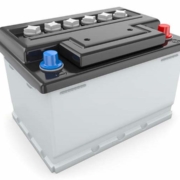
Battery Maintenance & Care

Keep Your Ride Powered Up Year-Round

Your vehicle’s battery might be out of sight, but it should never be out of mind. It’s the silent powerhouse that keeps everything from your ignition to your stereo running. Whether you’re heading to work or off-roading on the weekend, proper battery maintenance can save you from inconvenient (and often expensive) surprises. Here’s what you need to know to keep your battery in peak condition.
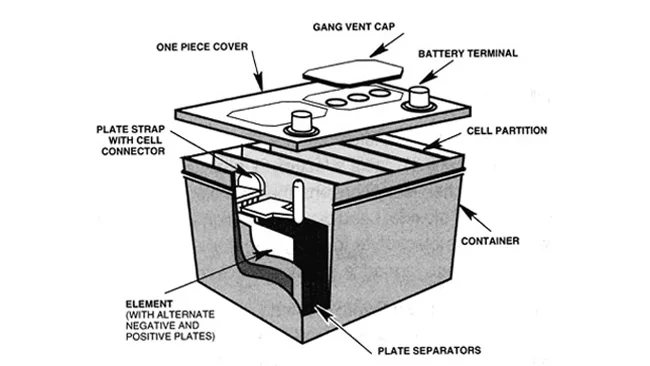
Why Battery Maintenance Matters

Batteries don’t last forever—but a little maintenance goes a long way in extending their life. On average, car batteries last between 3 to 5 years, but extreme temperatures, short trips, and poor connections can shave time off that lifespan. A weak battery can also put extra strain on your alternator and starter.

At Those Guys Garage, we see it all—from completely dead batteries in -30°C to corroded terminals that stop vehicles in their tracks. Here’s how to stay ahead of the curve.

Signs Your Battery Might Be in Trouble

  • 🔋 Slow engine crank
  • ⚠️ Dashboard battery light stays on
  • 💡 Dim headlights or electrical issues
  • 🔌 Clicking sound when turning the key
  • 🧊 Swollen battery case (often from freezing temps)
  • 🛑 Car won’t start (obviously the big one)

If you notice any of these symptoms, it might be time for a battery inspection or replacement.

Battery Care Tips to Avoid Getting Stranded

1. Clean the Terminals

Corrosion on battery terminals can block power flow. Use a battery terminal cleaner or a baking soda/water mix and a wire brush to gently clean the posts.
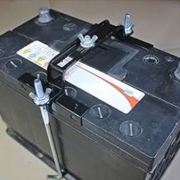
2. Secure the Battery

A loose battery can vibrate, damaging internal components and shortening its life. Make sure it’s mounted properly and snug.

3. Limit Short Trips

Frequent short drives don’t allow your alternator to fully recharge the battery. If possible, combine errands or take a longer route occasionally.
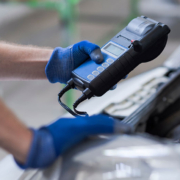
4. Test Regularly

Have your battery tested during oil changes or routine maintenance—especially before winter or summer when extreme temps hit hard.
5. Watch the Accessories

Leaving on your lights, radio, or phone charger while the car is off? That’s a quick way to drain your battery. Make sure everything’s off before stepping out.

Winter vs. Summer Battery Wear
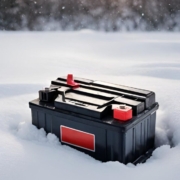
Cold weather is infamous for draining battery power, but heat can be just as brutal. Extreme cold slows the chemical reactions inside the battery, while extreme heat can cause fluids to evaporate faster. In Alberta’s wild weather swings, regular battery checks are a must.

When to Replace Your Battery
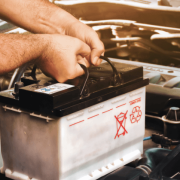
Even with good care, all batteries have a shelf life. If yours is over 3 years old, we recommend annual testing. If you’re noticing any of the warning signs or your battery fails a load test, it’s probably time to replace it.

At Those Guys Garage, we carry high-quality, cold-cranking-rated batteries perfect for our Canadian climate—and we’ll install and test them to make sure you’re good to go.

Let Us Help Keep You Charged Up

Whether it’s a quick test, a cleanup, or a full replacement, we’ve got your back. Book your battery check or installation with Those Guys Garage and avoid getting stuck with a dead ride.

🔧 Need a battery test or replacement? Give us a call or book your appointment online!


EGR Delete Kits for Diesels: What You Need to Know

If you drive a diesel, you’ve probably heard about EGR delete kits—maybe while troubleshooting a check engine light or looking to boost performance. But what exactly is an EGR delete, and is it right for your truck?

Let’s dive into the details.

What Is an EGR System?

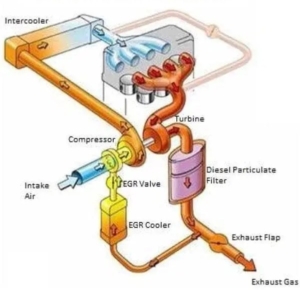
The Exhaust Gas Recirculation (EGR) system is a factory-installed emissions control component found in modern diesel engines. Its purpose is to reduce nitrogen oxide (NOx) emissions by redirecting a portion of the exhaust gases back into the combustion chamber, lowering combustion temperatures.

While this helps reduce environmental impact, it can come with some downsides—especially for diesel owners focused on performance and reliability.

Common Problems With EGR Systems in Diesels

Over time, EGR systems are known to cause:

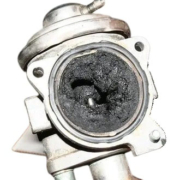
  • Carbon and soot buildup in the intake manifold and valves
  • Reduced engine performance and throttle response
  • Higher operating temperatures
  • Increased fuel consumption
  • Frequent maintenance or failure of EGR valves and coolers

What Is an EGR Delete Kit?

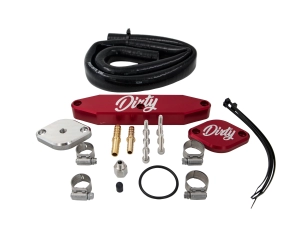
An EGR delete kit removes or disables the EGR system from the vehicle entirely. This typically includes:

  • Deleting the EGR valve and cooler
  • Installing block-off plates
  • Reprogramming the ECU to prevent check engine lights or limp mode

By removing the EGR system, you allow the engine to operate with cleaner, cooler, and more efficient air.

Pros and Cons of EGR Deletes

Here’s a quick breakdown to help you weigh the benefits and drawbacks:

✅ Pros

  • Increased Performance: No recirculated exhaust means more oxygen-rich air for combustion.
  • Improved Reliability: Eliminates common failure points like EGR coolers and valves.
  • Lower Engine Temps: Reduces the risk of overheating under heavy loads.
  • Cleaner Intake System: No soot buildup in intake manifolds or valves.
  • Better Throttle Response: Especially noticeable under towing or high-load conditions.

❌ Cons

  • Illegal for On-Road Use: EGR deletes violate emissions laws in Canada and the U.S. for road-going vehicles.
  • Check Engine Lights: Without proper ECU tuning, deleting the EGR can trigger fault codes.
  • Failed Emissions Testing: Vehicles with deleted EGR systems will fail inspection in regulated provinces.
  • Potential Warranty Issues: Modifying emissions systems can void manufacturer warranties.

Is an EGR Delete Right for You?

EGR deletes are intended for off-road, competition, or farm-use-only diesel trucks. If your truck sees public roads, deleting emissions equipment is not legal and could result in fines or failed inspections.While EGR deletes can improve performance and reduce maintenance, they may lead to a vehicle failing a Commercial Vehicle Inspection Program (CVIP) if the modifications don’t meet original equipment manufacturer (OEM) specifications.

But if you’re looking for others ways to boost performance, we also offer:

  • High-flow intake systems
  • Upgraded exhaust components
  • Catch cans and crankcase ventilation upgrades
  • ECU tuning options
  • And many more…

Final Thoughts

While EGR delete kits offer clear performance and reliability benefits, they come with possible legal implications for street use. If you’re experiencing EGR-related issues or looking to enhance your diesel’s performance, we’re here to help—with options specialized for you and your vehicle.

Stop By or Contact Us

Have questions about EGR systems or diesel performance upgrades?
Visit Those Guys Garage or give us a call today. Let’s keep your diesel running strong and reliable.


Airbag Safety

Maintenance and Common Issues Every Driver Should Know

When it comes to vehicle safety, few components are as crucial—or as often overlooked—as airbags. While we hope you’ll never need them, airbags are a vital line of defense during a collision. But like any part of your vehicle, they require proper maintenance and awareness to ensure they’ll function when you need them most. In this blog, we’ll cover key airbag safety tips, maintenance advice, and common issues that drivers should keep an eye on.

Why Airbags Matter

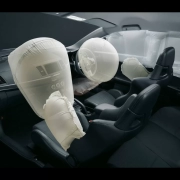
Airbags work in tandem with seatbelts to significantly reduce the risk of serious injury or death in the event of a crash. They deploy within milliseconds, cushioning the impact for the driver and passengers. Front airbags have been mandatory in all new vehicles since 1999, but many vehicles also include side, curtain, and knee airbags for added protection.

Common Airbag Issues

Airbags are incredibly reliable, but a few common issues can compromise their effectiveness:

1. Airbag Warning Light

The most obvious sign of an issue is the airbag warning light on your dashboard. If it stays on or starts flashing, it indicates a problem with the system that needs immediate attention.

2. Sensor Malfunction

Airbag sensors detect impact and trigger deployment. Faulty sensors or wiring can prevent airbags from deploying or cause them to deploy incorrectly.

3. Depleted Backup Battery

Airbags rely on the vehicle’s electrical system, and in case of a power loss during a crash, a backup battery takes over. If this battery is dead—often due to a depleted car battery—it can hinder deployment.

4. Previous Deployment

If the vehicle has been in a past accident and the airbags deployed, they must be professionally replaced. Some DIY repairs or neglect can leave the system non-functional.

5. Recall Issues

Airbags from certain manufacturers—most notably the Takata airbag recall—have been recalled due to defects. It’s important to check for any recalls related to your vehicle’s airbag system.

Airbag Maintenance Tips

While airbags are not a component you service regularly like brakes or oil, here are some key maintenance guidelines:

  • Monitor the Airbag Light: Never ignore this warning. If it’s lit, come see us for a diagnostic check.
  • Keep the Electrical System Healthy: Weak batteries or faulty wiring can affect sensors and deployment.
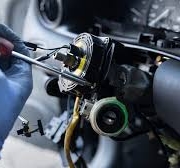
  • Don’t Tamper with the Steering Wheel or Dash: Many airbags are housed in these areas, and DIY modifications can be dangerous.
  • Schedule Regular Inspections: During routine service, ask your technician to check your airbag system—especially if your car is older or has been in a collision.
  • Check for Recalls: Visit Transport Canada’s Recall Database or the manufacturer’s site to make sure your vehicle isn’t affected by any airbag recalls.

The Impact of Driving Habits on Vehicle Longevity

Dos and Don’ts

When it comes to extending the life of your vehicle, regular maintenance is only half the battle. The other half? How you drive. Your everyday driving habits can either keep your car in top shape for years or send it to the scrap heap far sooner than expected. At our automotive repair shop, we’ve seen firsthand how good and bad driving habits affect vehicle performance, fuel efficiency, and overall longevity. Here’s what you should and shouldn’t do behind the wheel to help your car last longer.

Driving Habits That Help Your Vehicle Last Longer (The DOs)

✅ 1. Accelerate Smoothly

Gradual acceleration not only saves fuel but also reduces wear on your engine and transmission. Jackrabbit starts may feel fun, but they add stress to drivetrain components.

✅ 2. Coast to a Stop

When possible, ease off the accelerator and coast to a stop instead of slamming the brakes. This reduces brake wear and helps your tires last longer.

✅ 3. Follow the Speed Limit

Driving at or just below the speed limit reduces engine strain and improves fuel economy. Higher speeds mean more friction, more heat, and more wear on components.

✅ 4. Warm Up the Engine (Especially in Winter)

Give your vehicle a few minutes to warm up on cold mornings. This allows oil to circulate properly and protects your engine from cold-start wear.

✅ 5. Keep Tires Properly Inflated

Proper tire pressure improves gas mileage, handling, and tire lifespan. Under- or over-inflated tires wear out quickly and can even affect alignment.

Driving Habits That Shorten Your Vehicle’s Life (The DON’Ts)

❌ 1. Hard Braking and Sudden Stops

Constant hard braking wears out brake pads, rotors, and suspension components. Keep a safe following distance and anticipate stops to avoid this.

❌ 2. Riding the Clutch (Manual Transmissions)

If you drive a stick shift, keep your foot off the clutch unless you’re changing gears. Resting your foot on the clutch pedal leads to premature clutch wear.

❌ 3. Overloading Your Vehicle

Consistently hauling more weight than your vehicle is rated for stresses your engine, brakes, and suspension. Always check your owner’s manual for weight limits.

❌ 4. Ignoring Warning Lights

Dashboard lights are your car’s way of asking for help. Ignoring them can turn minor issues into major (and costly) repairs.

❌ 5. Revving the Engine When Cold

Revving a cold engine doesn’t help it warm up—it actually causes damage. Let the engine reach operating temperature before pushing it hard.

🛠️ Bonus Tip: Stay on Top of Maintenance

Even the best driving habits can’t replace regular oil changes, fluid checks, and tune-ups. Combine smart driving with consistent maintenance, and your vehicle will reward you with reliability and performance for years to come.

Final Thoughts

Your car works hard every time you turn the key. Treat it with care, and it will return the favor. At our shop, we’re here to help you keep your vehicle running at its best—whether it’s routine maintenance or repairs caused by rough driving. Have questions about how to better care for your ride? Stop by or give us a call today!

Coolant Chronicles

Understanding Radiator Fluid and Cooling Systems

When it comes to keeping your vehicle running smoothly, few systems are as essential—and as often overlooked—as the cooling system. Without it, your engine would quickly overheat, leading to costly damage and potential breakdowns. In this edition of our automotive blog, we dive into the Coolant Chronicles, breaking down what radiator fluid is, how your cooling system works, and why maintenance matters more than you might think.

What Is Radiator Fluid (Coolant)?

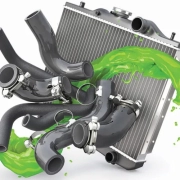
Radiator fluid, commonly known as coolant or antifreeze, is a specially formulated liquid designed to regulate your engine’s temperature. It prevents overheating in the summer and freezing in the winter. Typically composed of ethylene glycol or propylene glycol mixed with water, coolant also contains additives to protect against rust, corrosion, and buildup inside the engine and radiator.

How the Cooling System Works

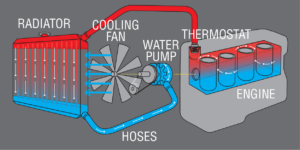
Your vehicle’s cooling system is a network of components working together to maintain optimal engine temperature. Here’s a simplified breakdown of the process:

  1. Coolant circulates through the engine, absorbing excess heat.
  2. It then travels to the radiator, where the heat is released into the air through the radiator fins.
  3. A thermostat regulates coolant flow, opening only when the engine reaches a specific temperature.
  4. The water pump keeps coolant moving through the system.
  5. A radiator fan helps remove heat when your vehicle isn’t moving fast enough for air to flow naturally through the radiator.

Together, these components prevent engine overheating, protect against component wear, and help improve fuel efficiency.

Why Radiator Fluid Maintenance Matters

Neglecting coolant maintenance can lead to a host of serious issues, such as:

  • Overheating: Insufficient or degraded coolant can’t carry heat effectively.
  • Corrosion and Rust: Old coolant loses its anti-corrosive properties, allowing rust to damage engine and radiator components.
  • Freezing Damage: Coolant that lacks the proper antifreeze concentration can freeze and expand in cold weather, cracking engine blocks or radiator parts.
  • Reduced Performance: An inefficient cooling system can strain your engine and lower overall performance.

Signs Your Cooling System Needs Attention

Keep an eye out for these red flags that might indicate a cooling system problem:

  • Rising temperature gauge
  • Sweet, syrupy smell (coolant leak)
  • Visible coolant under the vehicle
  • Frequent need to top up coolant
  • Engine warning lights

Coolant Service Tips

At our shop, we recommend the following best practices:

  • Flush and replace coolant every 2 to 5 years (or as recommended by your vehicle’s manufacturer).
  • Use the correct coolant type for your make and model—mixing types can cause chemical reactions and reduced performance.
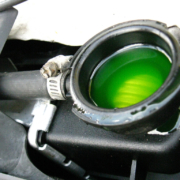
  • Check coolant levels regularly, especially before long trips or extreme weather changes.
  • Have your entire cooling system inspected during routine maintenance visits to catch small issues before they become big problems.

Stay Cool—We’ve Got You Covered

Your cooling system might work behind the scenes, but it plays a starring role in keeping your engine healthy. Whether it’s time for a coolant flush, radiator repair, or a full system diagnostic, our experienced technicians are here to help.

Book your appointment today and keep your ride running cool and strong—no matter the season.


The Art of Engine Tuning

Balancing Performance and Efficiency

Engine tuning is a blend of science, art, and a bit of mechanical wizardry. While many gearheads associate tuning with raw power and speed, true engine tuning is about finding the perfect balance between performance and efficiency. Whether you’re a weekend racer or just looking to get the most out of your daily driver, understanding the fundamentals of engine tuning can lead to a smoother, more responsive ride—and potentially save you money on fuel and repairs.

What Is Engine Tuning?

Engine tuning involves adjusting and modifying various engine parameters to optimize its performance. These can include ignition timing, air-fuel ratio, throttle response, and boost pressure (for turbocharged engines), among others. Tuning can be performed using aftermarket software, physical modifications, or even simple sensor recalibrations


Why Tune Your Engine?

  • Increased Horsepower & Torque
    Tuning allows your engine to operate closer to its maximum potential, unlocking extra horsepower and torque without physically altering engine components.
  • Improved Fuel Efficiency
    A properly tuned engine runs more efficiently, meaning better fuel economy and fewer trips to the gas pump.
  • Enhanced Driveability
    Tuning can improve throttle response, gear shifting, and overall smoothness, making your car feel more connected and responsive.
  • Longevity of Engine Components
    Eliminating engine knock and ensuring optimal combustion conditions can reduce wear and tear, extending engine life.

Performance vs. Efficiency: Finding the Sweet Spot

The challenge in tuning lies in the trade-off between performance and efficiency. Going too far in one direction can hurt the other. Here’s how to strike a smart balance:

1. Air-Fuel Ratio (AFR)

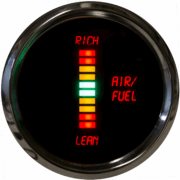
A richer mixture (more fuel) can boost power but lower fuel economy. A leaner mixture (less fuel) improves mileage but may increase engine temperatures and reduce power. The key is to maintain a safe, optimized AFR based on how the vehicle is used.

2. Ignition Timing

Advancing ignition timing can lead to better throttle response and power but can also cause engine knock if pushed too far. Modern tuning systems allow precise timing adjustments for different RPM and load ranges to improve both efficiency and performance.

3. ECU Remapping

Today’s vehicles use complex engine control units (ECUs). Remapping the ECU allows mechanics to change how the engine responds to inputs like throttle and load. A conservative tune focuses on economy, while a performance map increases output. A blended approach often gives the best of both worlds.

4. Upgraded Components

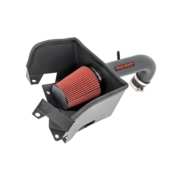
Adding a cold air intake, performance exhaust, or better spark plugs can complement tuning efforts. These upgrades can enhance airflow and combustion, increasing both power and efficiency if done correctly.


When Should You Consider Engine Tuning?

  • After installing aftermarket components (intake, exhaust, turbo, etc.)
  • When fuel economy has noticeably dropped
  • If your car feels sluggish or unresponsive
  • To customize performance based on driving habits or terrain
  • For regular performance optimization in high-mileage vehicles

Leave It to the Pros

While DIY tuners are on the rise thanks to affordable handheld devices and software, professional tuning offers accuracy, reliability, and safety. At [Your Shop Name], our certified technicians use state-of-the-art diagnostic tools and dyno testing to fine-tune your engine for optimal balance.

We don’t just chase numbers—we tune your vehicle with care, precision, and a deep understanding of how your car should perform every day, not just on a track.


Final Thoughts

Engine tuning isn’t just for enthusiasts looking to shave seconds off lap times. It’s a powerful tool that, when done right, enhances the way your vehicle runs and feels—making your investment last longer and drive better. Whether you’re chasing horsepower or fuel savings, remember: the best performance is efficient, and the best efficiency doesn’t have to sacrifice fun.


Diesel Engine Maintenance Tips:

Tips for Durability and Fuel Economy

Diesel engines are known for their power, durability, and fuel efficiency, making them a popular choice for trucks, commercial vehicles, and even personal pickups. However, to truly reap the benefits of a diesel engine, regular and proper maintenance is crucial. Whether you’re a fleet operator or a weekend warrior, here are key tips to help you maximize your diesel engine’s longevity and fuel economy.


1. Stay on Top of Oil Changes

Diesel engines run at higher compression ratios than gasoline engines, which means engine oil breaks down faster under stress. Regular oil changes using high-quality diesel-rated oil help protect internal components and prevent sludge buildup. Always follow the manufacturer’s recommended intervals and monitor oil levels frequently.

2. Use Quality Fuel and Additives

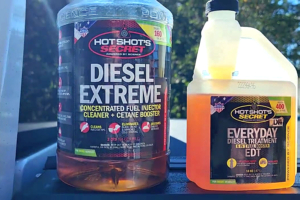
Not all diesel fuel is created equal. Poor-quality fuel can introduce contaminants and water into your system, leading to reduced efficiency and possible injector damage. Using reputable fuel brands and diesel additives like cetane boosters or fuel system cleaners (e.g., Hot Shot’s Secret Diesel Extreme) helps keep your fuel system clean and enhances combustion performance.

3. Keep the Air and Fuel Filters Clean

Air and fuel filters are the first line of defense against debris and contaminants. A clogged air filter restricts airflow, reducing fuel efficiency and engine power. Similarly, a dirty fuel filter can choke the fuel supply, straining the injectors. Replace both filters regularly to maintain optimal performance.

4. Monitor and Maintain the Cooling System

Diesel engines generate a lot of heat. A properly functioning cooling system is essential to prevent overheating, which can lead to serious engine damage. Regularly inspect coolant levels, hoses, and the radiator. Flushing the cooling system based on service intervals also helps prevent corrosion and scale buildup.

5. Check the Turbocharger

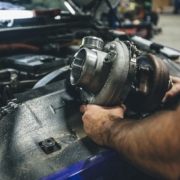
If your diesel engine has a turbocharger, it needs to be taken care of to maintain efficiency and power. Regularly inspect for any oil leaks, listen for unusual noises, and ensure the air intake system is sealed properly. A well-maintained turbo keeps your engine breathing easy.

6. Glow Plug and Battery Health

Diesel engines depend on glow plugs to start in cold conditions. Faulty glow plugs can make cold starts difficult or impossible. Check them seasonally, especially in colder climates. Likewise, keep your battery in good shape, as diesel engines require more cranking power than gas engines.

7. Regularly Inspect the Exhaust and Emissions System

Modern diesel engines come equipped with advanced emissions systems like EGR valves, DPFs, and DEF systems. These need regular maintenance to avoid performance issues and ensure compliance with emission regulations. Cleaning or replacing these components when needed can improve fuel economy and prevent costly repairs.

8. Watch for Warning Signs

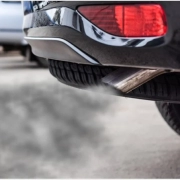
Be attentive to any signs of trouble like increased smoke, rough idling, decreased fuel economy, or warning lights on your dashboard. Catching issues early can prevent major failures and keep your vehicle running efficiently.

Final Thoughts

Taking care of your diesel engine doesn’t have to be complicated, but it does require consistency. Routine maintenance not only helps you save money at the pump but also protects your investment for the long haul. Whether you rely on your diesel for work or play, proper care ensures it will deliver reliable performance mile after mile.

If you need help with diesel engine maintenance or are looking for top-tier diesel additives and parts, visit our shop today — we’re here to keep your engine running strong!


The Heat Is On: When Your Car Overheats & What You Should Do

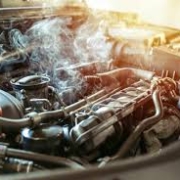
There’s nothing quite as stressful as seeing that engine temperature needle climb or steam billow out from under your hood in the middle of traffic. An overheating vehicle isn’t just a temporary inconvenience—it can lead to serious engine damage and expensive repairs if not handled correctly. So let’s break down what happens when your car overheats, why it’s dangerous, and what steps you should take if it does.

What Happens When a Car Overheats?

Your car’s engine operates within a specific temperature range, usually between 195°F and 220°F (90°C–105°C). When the engine surpasses this range, it’s officially overheating. Here’s what can go wrong:

1. Coolant Breakdown

Coolant (or antifreeze) is essential for absorbing heat from the engine. If the cooling system fails—due to a leak, broken radiator fan, stuck thermostat, or low coolant levels—heat can no longer be properly regulated.

2. Engine Component Damage

Excessive heat can warp metal parts inside the engine. Aluminum cylinder heads, in particular, are prone to cracking. Pistons can seize, gaskets can blow, and oil can lose viscosity, further worsening the problem.

3. Total Engine Failure

In worst-case scenarios, continuous overheating can cause complete engine failure. This often means a full engine replacement—a repair that could cost thousands of dollars.

Signs Your Car Is Overheating

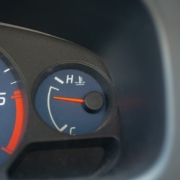
  • Temperature gauge needle is in the red zone
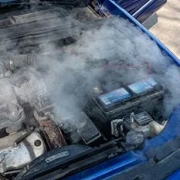
  • Steam coming from under the hood
  • Strange smell (sweet from coolant, or burning oil)
  • Warning lights on the dashboard
  • Engine performance dropping or “knocking” sounds

What to Do if Your Car Overheats

1. Pull Over Safely

As soon as you notice the signs, turn off the A/C, turn on the heater (yes, really—it helps pull heat away from the engine), and find a safe place to stop.

2. Turn Off the Engine

Once parked safely, shut off the engine to prevent further damage. Let the engine cool for at least 15–30 minutes before touching anything under the hood.

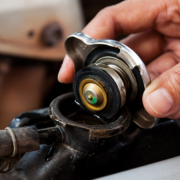
3. Don’t Open the Radiator Cap

The radiator and coolant system are pressurized and extremely hot – opening the cap too soon can cause serious burns. Wait until the engine has completely cooled before checking fluid levels.

4. Check Coolant Levels

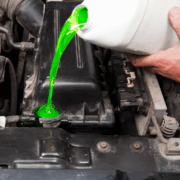
If you’re safely equipped (and the engine has cooled), check the coolant reservoir. If it’s low and you have coolant or water, top it off. This may help you limp to a mechanic—but it’s a temporary fix, not a solution.

5. Call for Help

If you’re unsure, don’t try to drive a car that’s been overheating. Call roadside assistance or a tow truck and get your vehicle to a professional for inspection.

How to Prevent Overheating

  • Check coolant levels regularly
  • Inspect hoses and belts for wear
  • Replace coolant as recommended by your car’s manufacturer
  • Pay attention to the temperature gauge—don’t ignore early signs
  • Have your radiator and thermostat inspected during routine maintenance

Final Thoughts

An overheating engine is a warning your vehicle can’t be ignored. It’s always cheaper and safer to address minor cooling system issues before they spiral into major engine damage. Keep your car cool, and it’ll keep you cruising smoothly—no roadside drama required.


CVT Transmissions

A Smoother Ride or a Compromise?

When shopping for a new car or diving into the technical specs of modern vehicles, you’ve likely come across the term CVT, or Continuously Variable Transmission. Unlike traditional automatic or manual gearboxes, CVTs don’t operate using a fixed set of gear ratios. Instead, they offer a seamless range of gear ratios, making them unique in the world of automotive transmissions.

But is a CVT the right fit for your driving style and expectations? Let’s take a closer look at the benefits and drawbacks of CVT technology.

What Is a CVT?

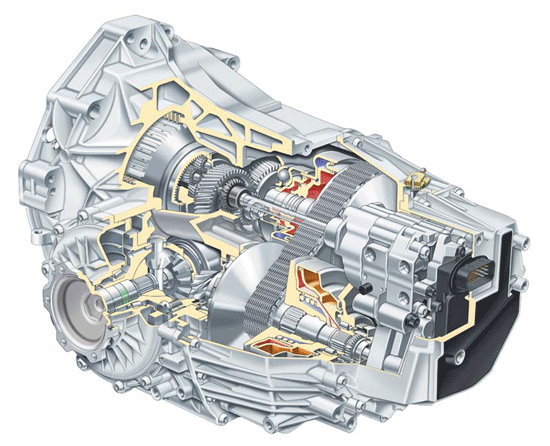
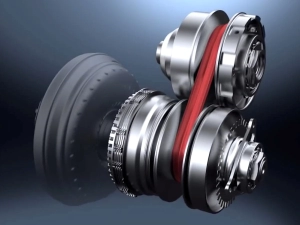
A Continuously Variable Transmission uses a system of pulleys and a belt (or chain) to create an infinite number of gear ratios within a range, rather than shifting between a fixed set of gears. This allows the engine to operate at its most efficient RPM for a variety of driving conditions.

Benefits of CVT Transmissions

1. Fuel Efficiency

One of the most touted advantages of CVTs is improved fuel economy. Because the transmission constantly adjusts to keep the engine in its optimal power band, it can often use less fuel than traditional automatics, especially in city driving.

2. Smooth Driving Experience

CVTs eliminate the sensation of gear shifting, creating a smoother ride with uninterrupted acceleration. This makes for a more comfortable driving experience, particularly in stop-and-go traffic.

3. Better Performance in Some Cases

Although not designed for high performance, CVTs can maximize power delivery from smaller engines. For example, they can help compact cars feel more responsive during acceleration by keeping the engine at peak torque.

4. Lighter Weight

CVTs often weigh less than conventional automatic transmissions. This contributes to better fuel economy and can reduce overall vehicle weight, which is particularly beneficial in hybrid vehicles.

5. Fewer Moving Parts

With fewer mechanical components than traditional gearboxes, CVTs can theoretically require less maintenance and suffer less wear over time — though that’s a bit of a double-edged sword (more on that below).

Disadvantages of CVT Transmissions

1. Unnatural Driving Feel

Many drivers find the lack of shift points unsettling. The steady engine tone during acceleration (often described as a “rubber band” effect) can feel disconnected or unrefined, especially to enthusiasts who enjoy the feedback of a traditional transmission.

2. Longevity and Repair Costs

While CVTs have fewer moving parts, they are more complex in design and often more expensive to repair or replace. If a CVT fails, it usually requires a full replacement rather than a simple fix, and not all mechanics are comfortable working on them.

3. Limited Towing Capacity

CVTs are generally not ideal for heavy-duty use, such as towing or aggressive driving. The belt or chain system isn’t built to handle the high torque demands that a traditional automatic transmission can.

4. Performance Limitations

In sporty or high-performance applications, CVTs often fall short. Their sluggish response and lack of “geared” feeling make them less engaging for spirited driving. Some manufacturers try to mimic gear shifts with artificial shift points, but the result can feel gimmicky.

5. Noise at High RPM

Because CVTs keep the engine at a constant high RPM during heavy acceleration, they can be noisy — sometimes unpleasantly so. This can detract from the overall driving experience, especially on long uphill climbs or highway merges.

Is a CVT Right for You?

If you prioritize fuel economy, a smooth driving experience, and low-speed efficiency (think commuting or city driving), a CVT can be a smart choice. They shine in hybrid vehicles, compact cars, and daily drivers where performance isn’t the top priority.

However, if you love driving engagement, plan to tow, or want your car to handle more rugged conditions, a traditional automatic or dual-clutch transmission might better suit your needs.

Final Thoughts

CVT transmissions are a fascinating innovation, bridging the gap between fuel efficiency and modern convenience. But like any technology, they come with trade-offs. As manufacturers continue refining CVTs — and as consumer preferences evolve — it’s worth understanding both the strengths and the compromises before deciding if a CVT vehicle is right for your garage.


Gas vs Diesel Engines:

What’s the Real Difference?

When you’re in the market for a new vehicle or just curious about what’s under the hood, understanding the differences between gas and diesel engines can help you make smarter choices. While they both serve the same core purpose—converting fuel into motion—the way they do it is significantly different. Let’s break it down.

How They Work: The Basics

At a glance, gas and diesel engines look similar. Both are internal combustion engines that ignite fuel to move pistons and power a vehicle.
The big difference lies in how that ignition happens:

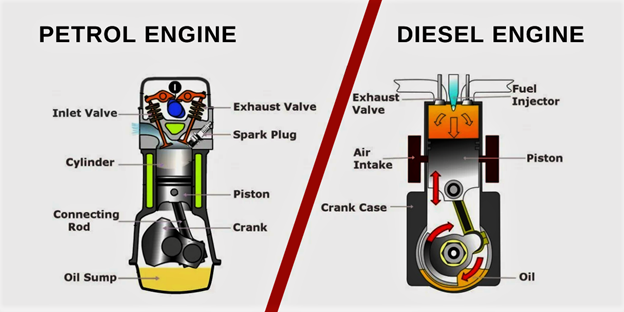
  • Gasoline engines mix air and fuel before compressing it and ignite the mixture using a spark plug.
  • Diesel engines compress only air until it’s hot enough, then inject fuel directly into the combustion chamber. The heat from the compressed air ignites the fuel—no spark plug needed.

This seemingly small difference leads to some major performance distinctions.

Efficiency and Fuel Economy

Diesel engines generally offer better fuel economy than gasoline engines. Why? Higher compression ratios and leaner air-to-fuel mixtures make diesel engines more efficient.

  • A diesel engine might get 20–30% more miles per gallon compared to a gas engine of similar size.
  • For long-distance driving or hauling heavy loads, diesel is often the winner.

However, diesel fuel can be more expensive, and maintenance costs can be higher.

Power and Performance

This is where things get interesting:

  • Gas engines usually produce more horsepower, which translates into faster acceleration and higher top speeds. That’s why they dominate in sports cars and high-performance vehicles.
  • Diesel engines, on the other hand, shine in torque—the twisting force that helps trucks tow and haul. This makes diesel ideal for pickups, commercial trucks, and heavy-duty equipment.

So, it’s not about which is better—it’s about what you need the engine to do.

Maintenance and Longevity

Diesel engines are built to endure higher compression and typically have more robust internal components, meaning they often last longer—sometimes over 500,000 miles in commercial use.
But they also:

  • Require specialized maintenance
  • Can be more expensive to repair
  • Are sensitive to fuel quality and cold temperatures

Gasoline engines, while usually cheaper to maintain, tend to wear out faster, especially under heavy loads or high mileage.

Environmental Impact

  • Gasoline engines emit more carbon monoxide and hydrocarbons, contributing to smog.
  • Diesel engines produce more nitrogen oxides (NOx) and particulate matter, which can be more harmful to human health.

Modern emission systems (like diesel particulate filters and DEF systems) have improved diesel’s environmental profile, but they add complexity and cost.

Which One Should You Choose?

It depends on your priorities:

  • Choose a gasoline engine if you want lower upfront costs, smoother operation, and mainly drive short to medium distances.
  • Choose a diesel engine if you tow, haul, or do a lot of highway driving—and you’re okay with paying a bit more upfront for long-term savings and durability.

Final Thoughts

The gas vs diesel debate isn’t about declaring a winner—it’s about matching the engine to your lifestyle. With advancements in both technologies, including turbocharged gas engines and clean diesel systems, the choice is now more nuanced than ever. Whether you crave efficiency, power, or reliability, understanding the engine under the hood helps you drive smarter.